

Profile
| Age at death | 84 |
|---|---|
| Birth date | September 8, 1937 |
| Birthplace | Odunpazarı |
| Died | June 28, 2022 |
| Place of death | Istanbul |
| Profession | Actor, Film director, Screenwriter, Film producer, Physician |
| Zodiac sign | Virgo |
In the rankings


Filmography / Projects
-
-

-

-

-

- Afacanlar Sınıfı
-

-

-

-
- The Dog (Köpek) (translated)
- Loves to the Death (Ölümüne Sevdalar) (translated)
-

- Bıçak Sırtı
- Gölge Ekibi
- Karate Can
- Gülün Bittiği Yer
- Playing with Death
- Zirvedekiler
- Merhamet
-
-

-

-
- Polis Dosyası
- Doktorlar
-

- Muhteşem Serseri
- Şafak Sökerken
- Yaşamak
- Emanet
- Bombacı
- Küçük Dostum
- Yasak İlişki
- Babam ve Ben
-
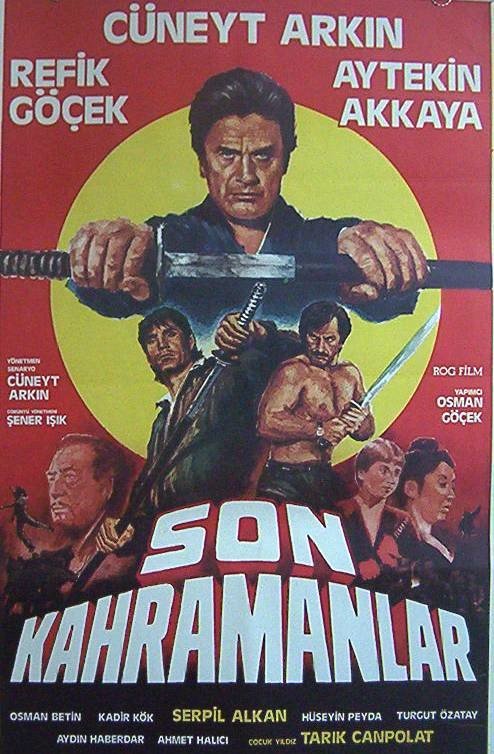
- Dört Hergele
- Sevdam Benim
- Şeytanın Oğulları
- Sürgündeki Adam
- Dökülen Yapraklar
- Tanık
- Damga
- İnsan Avcıları
- Asılacak Adam
- Bitmeyen Adam
- Sen Ağlama
-
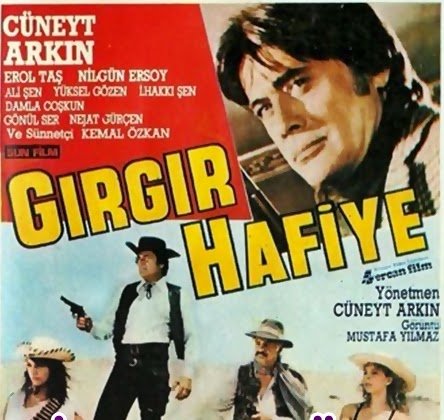
- For the Sake of Duty (Vazife Uğruna) (translated)
-
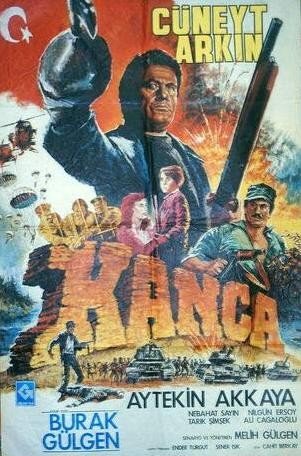
-
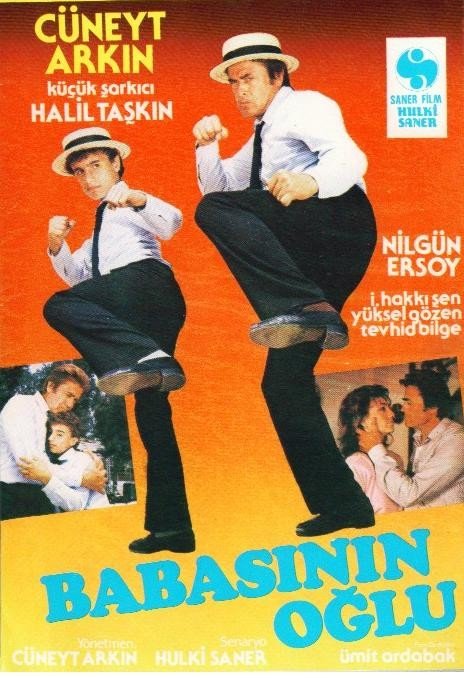
- Kral Affetmez
- Yedi Bela
- Yalnız Adam
- Silah Arkadaşları
- Ölümsüz Aşk
- Ölüm Avcısı
- Melek Yüzlü Cani
- Kavga
- Sert Adam
- Tokatçılar
- Sokakların Kanunu
- Sokak Kavgacısı
- Veda
-
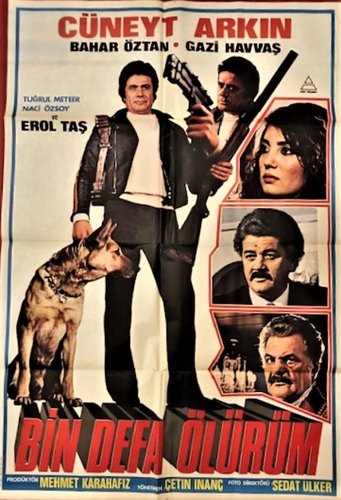
-
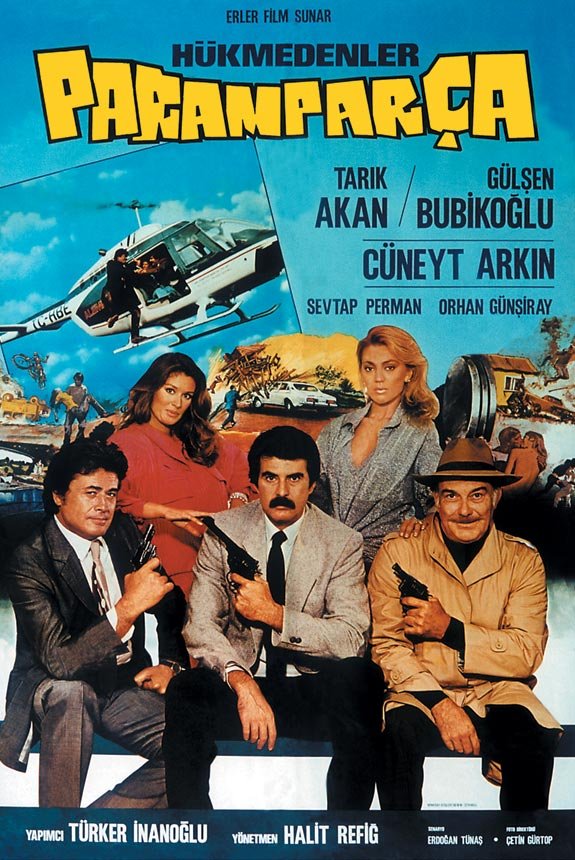
-
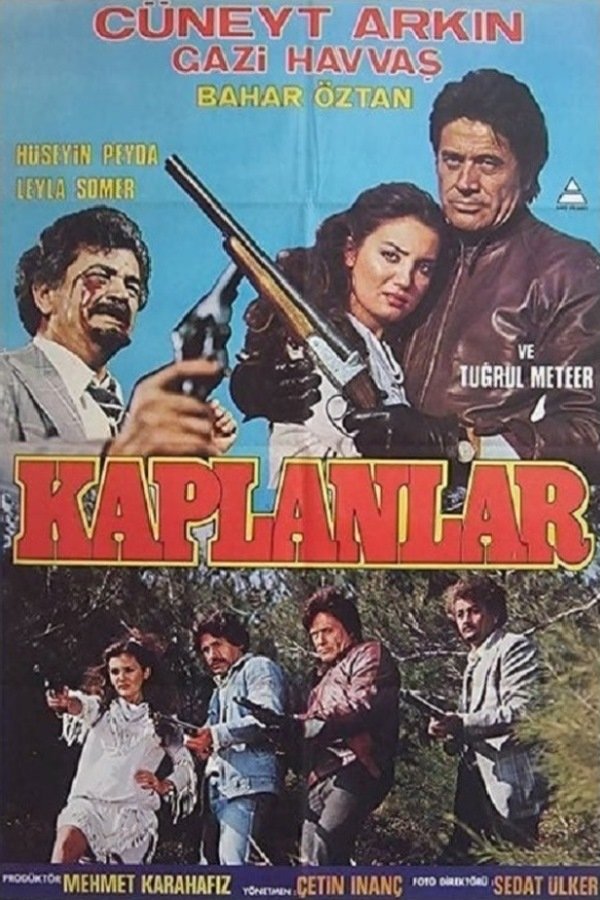
-
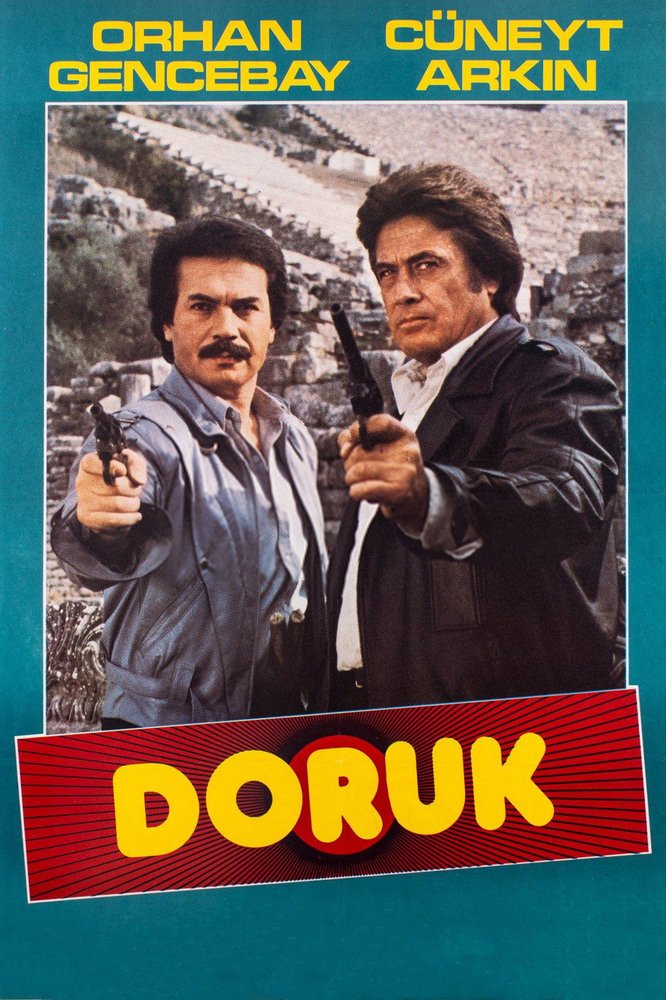
-

- Kaçış
- Kahreden Gençlik
- Ateş Çemberi
- Biz Bir Aileyiz
- Katiller de Ağlar
- Kanun Adamı
- Son Darbe
- Mahkum
-

-
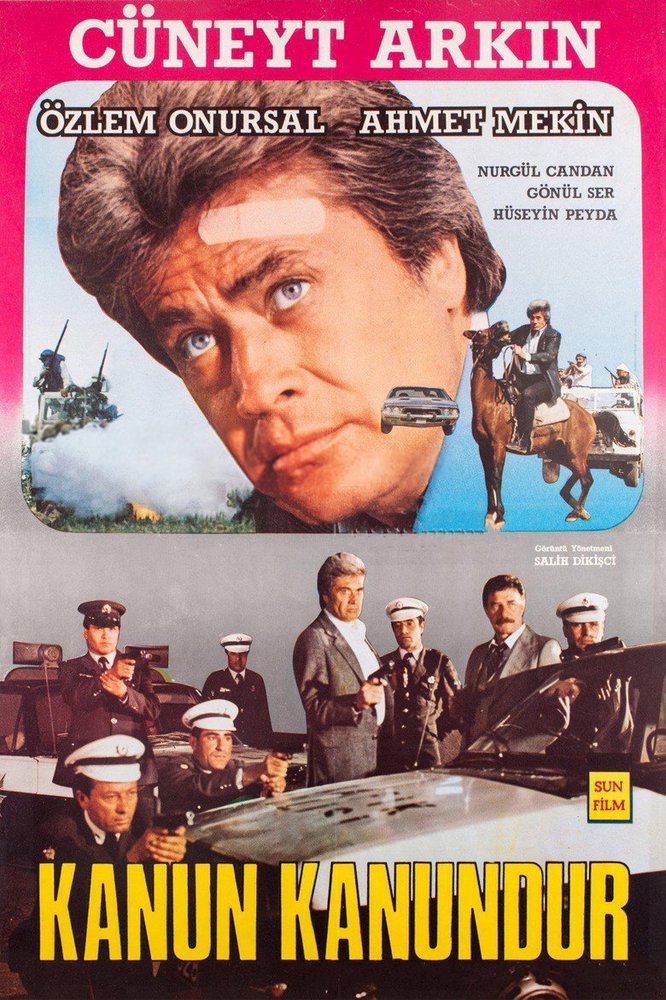
-
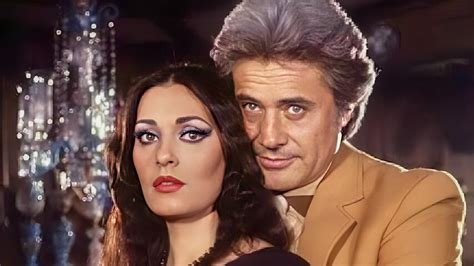
-
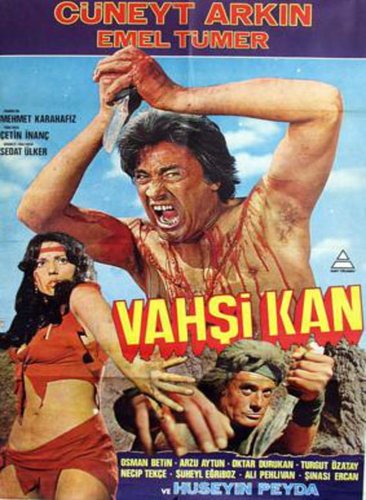
- Ölüm Savaşçısı
- Kartal Bey
- Deli Fişek
- Yaşadıkça
- Bırakın Yaşasınlar
-
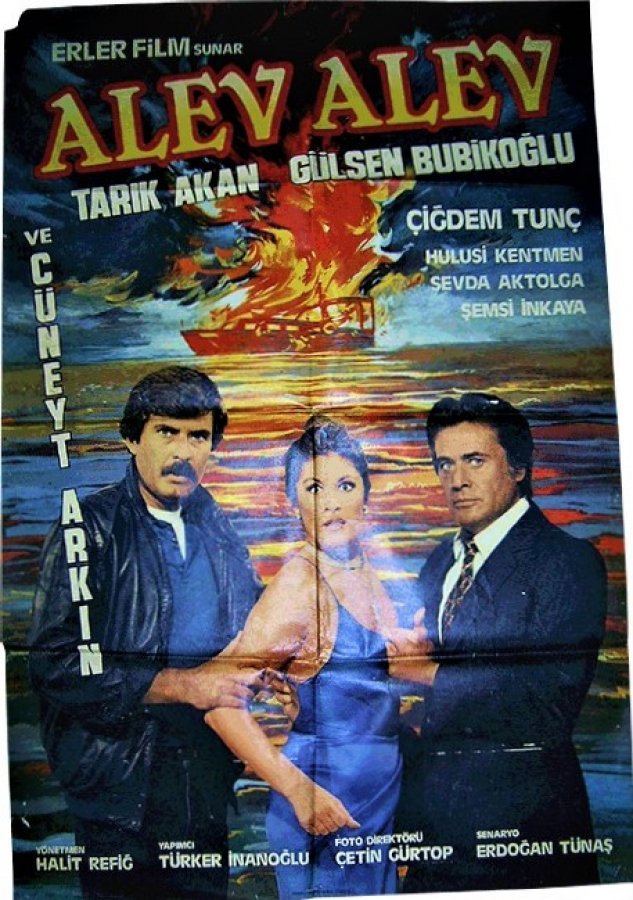
-

- Manly (Erkekçe) (translated)
-
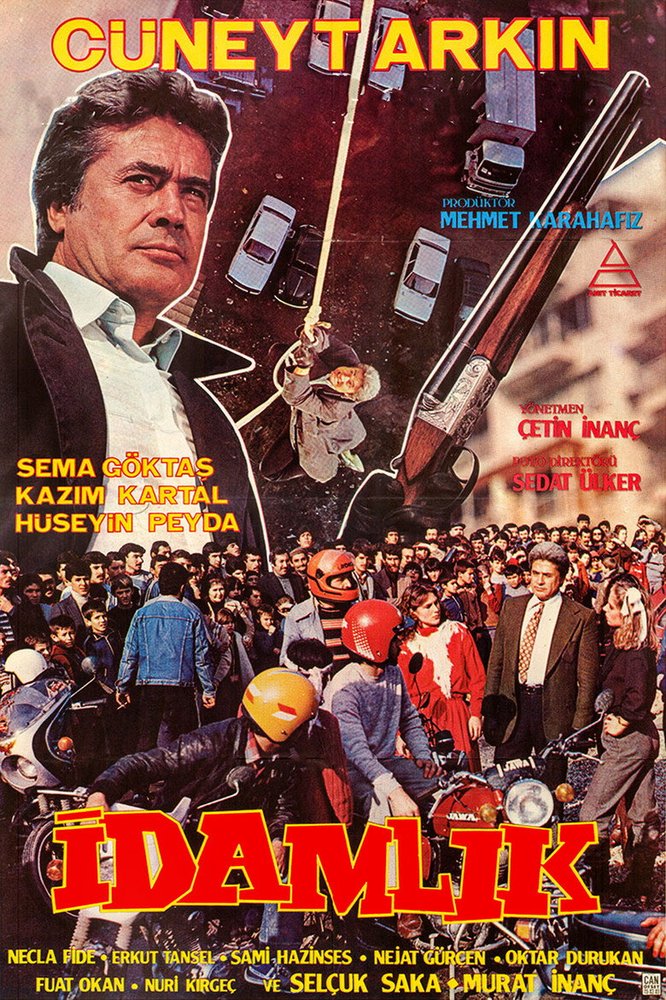
-
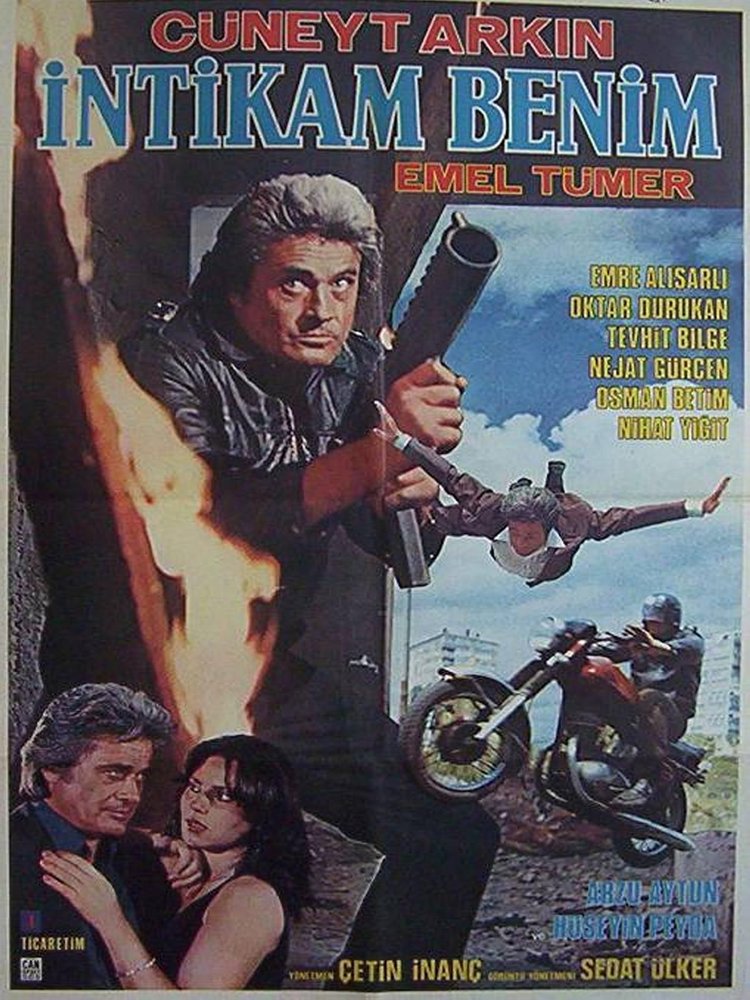
-
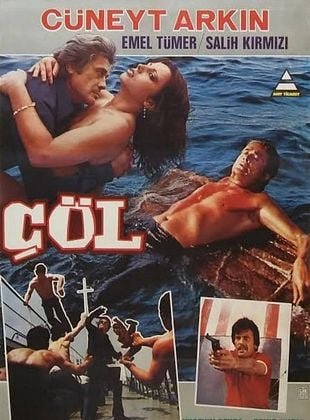
- En Büyük Yumruk
-

-

-

- Handcuff (Kelepçe) (translated)
-
- Kanije Kalesi
- Dört Yanım Cehennem
- Son Savaşçı
- Ölümsüz
-
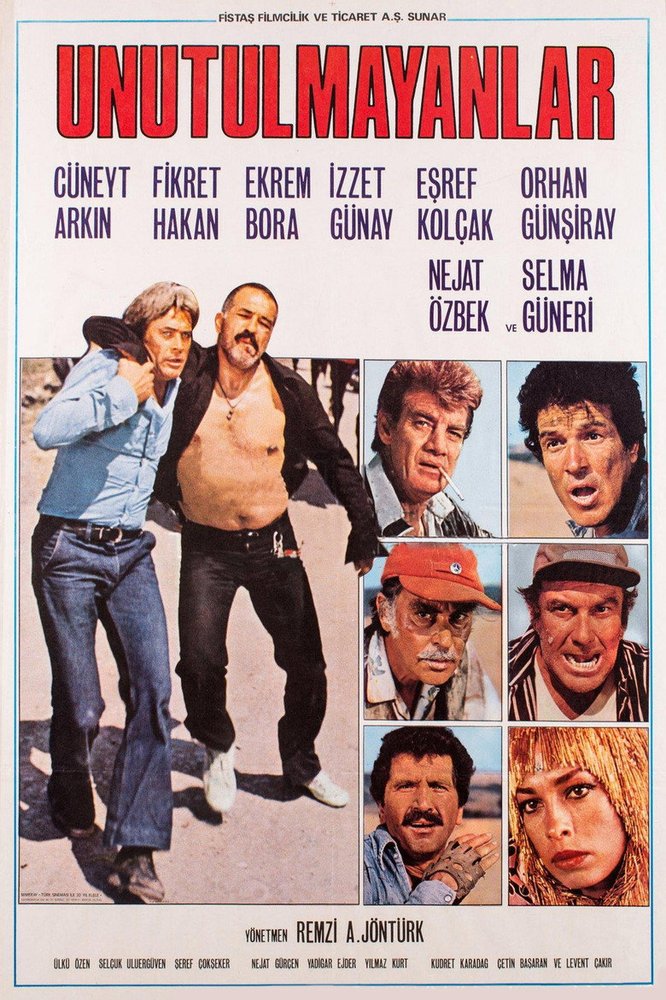
-
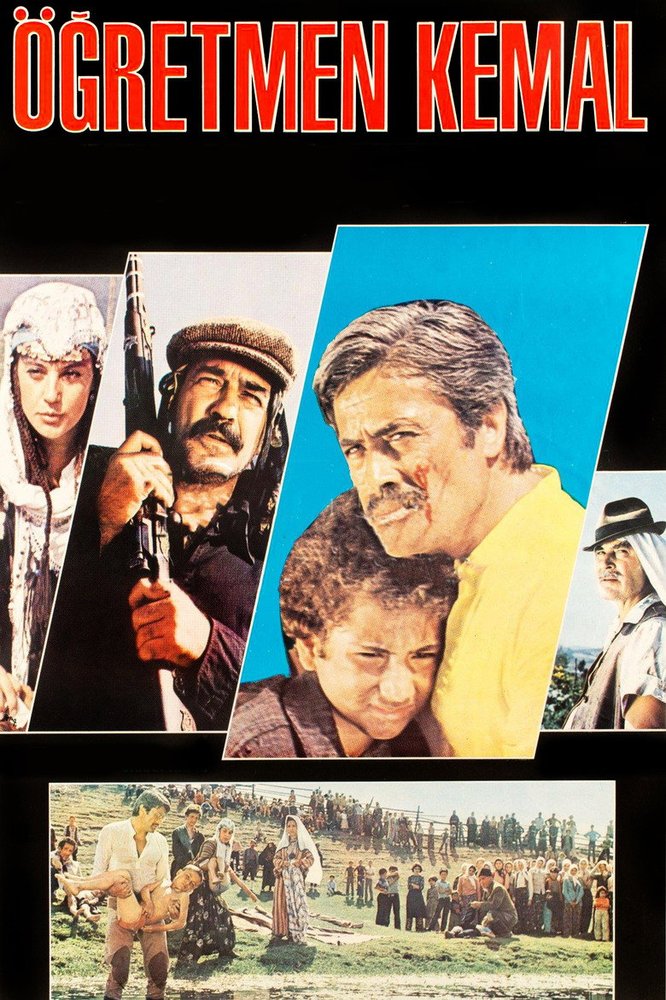
- Acı Günler
- Önce Hayaller Ölür
- Su
- Kader Arkadaşı
- İntikam Yemini
-
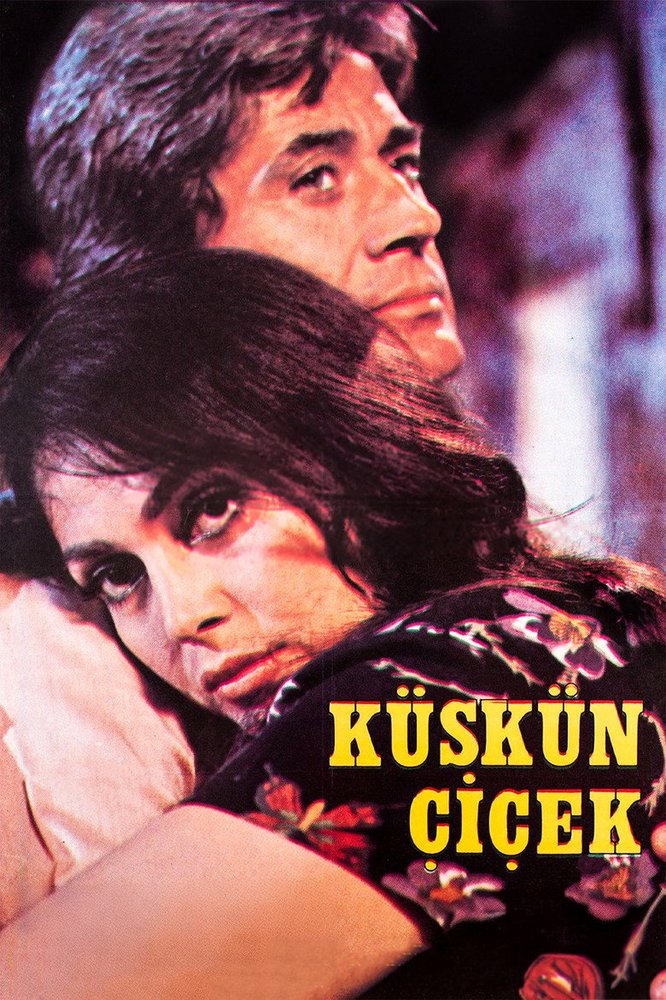
-
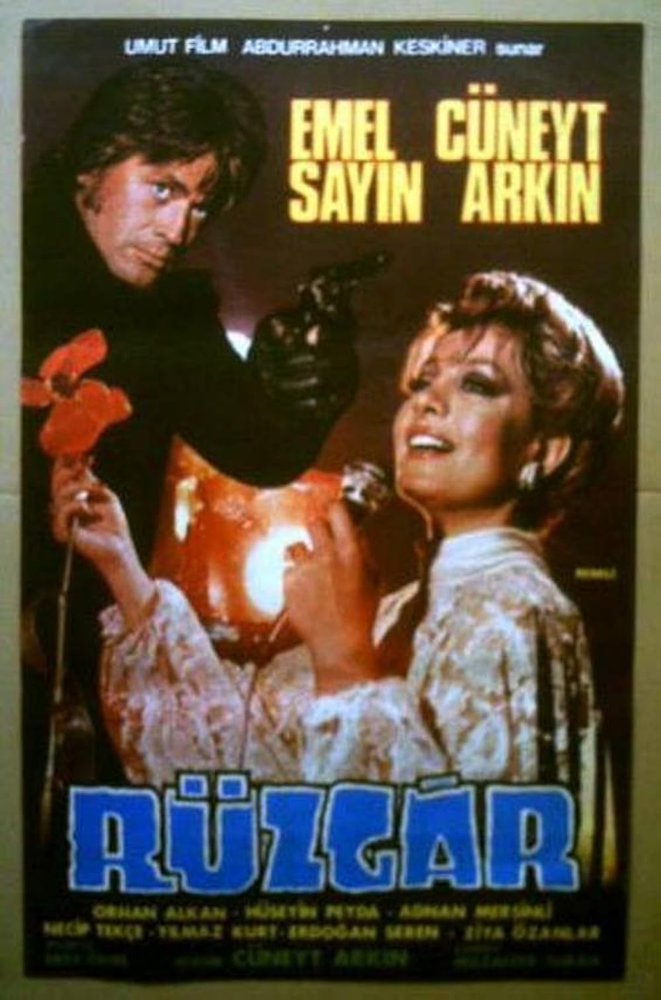
- Sarışın Tehlike
- Aşk Para Yumruk
- Destan
- Rahmet ve Gazap
-

-

- Darling (Canikom) (translated)
- You Will Love People (İnsanları Seveceksin) (translated)
-
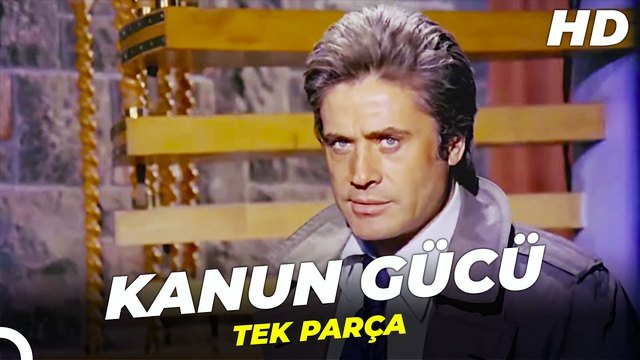
- Üç Sevgilim
- Vatandaş Rıza
- Görünmeyen Düşman
- Üç Tatlı Bela
-
-

- Death Mission (Ölüm Görevi) (translated)
-
-
- Mr. Kılıç (Kılıç Bey) (translated)
-
-
- Kara Murat: Devler Savaşıyor
- Cemil Dönüyor
-

-

-

-
-

-
-
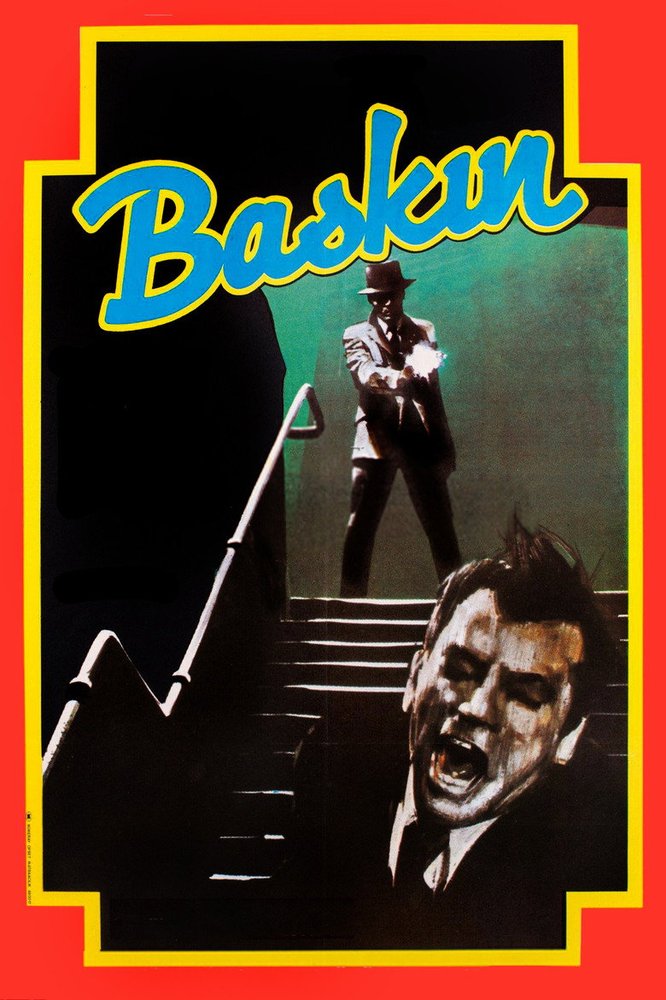
-
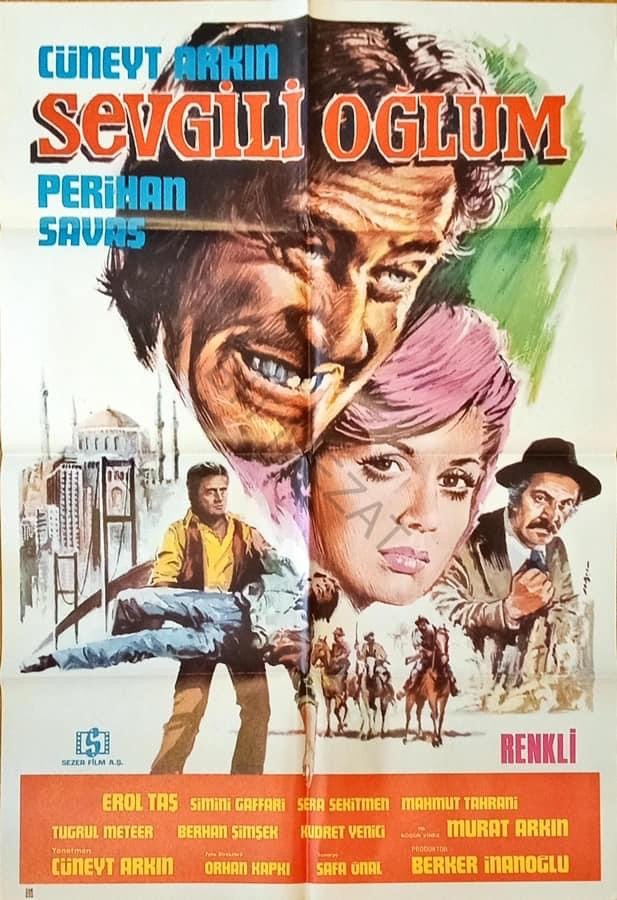
-
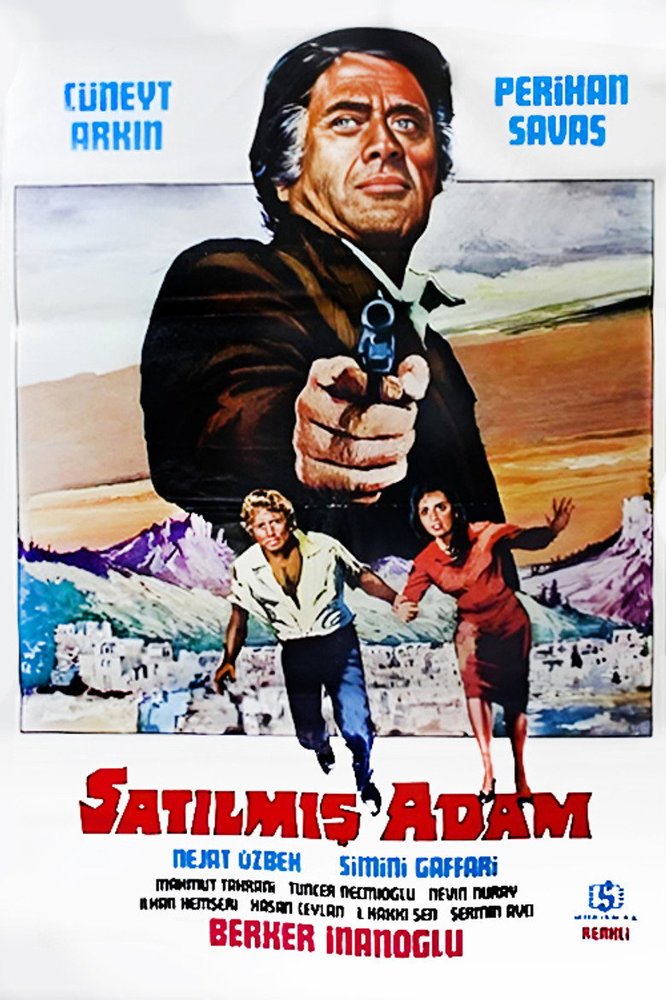
- Hakanlar Çarpışıyor
- Hınç
- Baba Ocağı
-

-
-
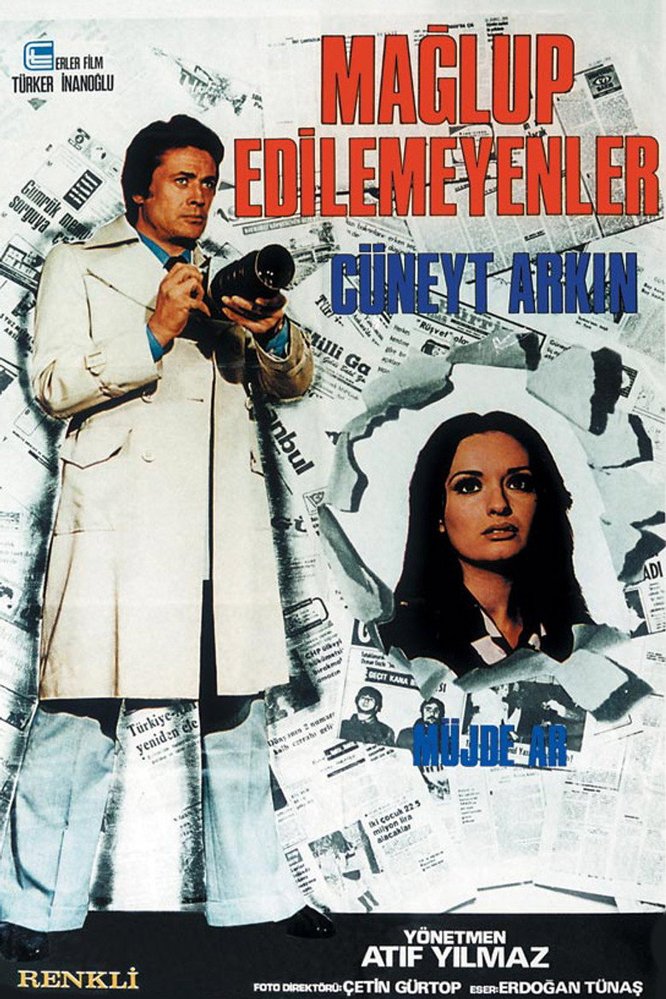
-
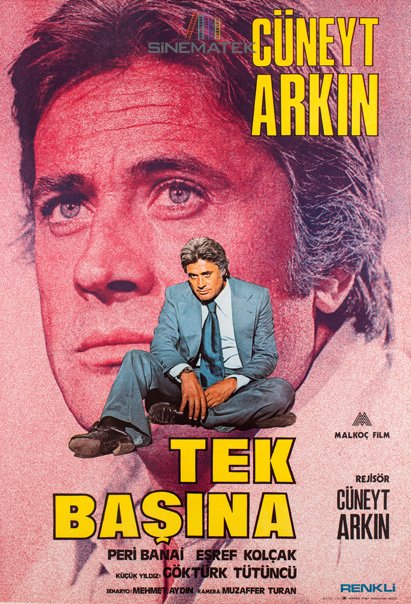
-
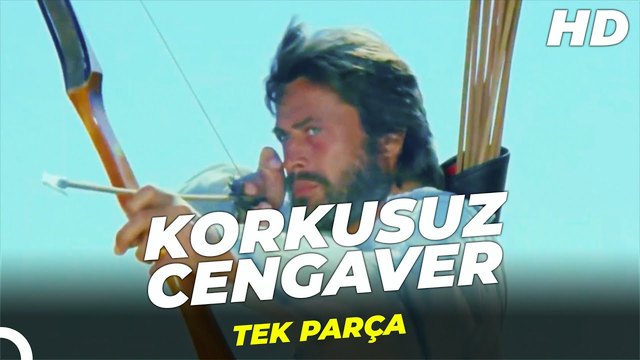
-
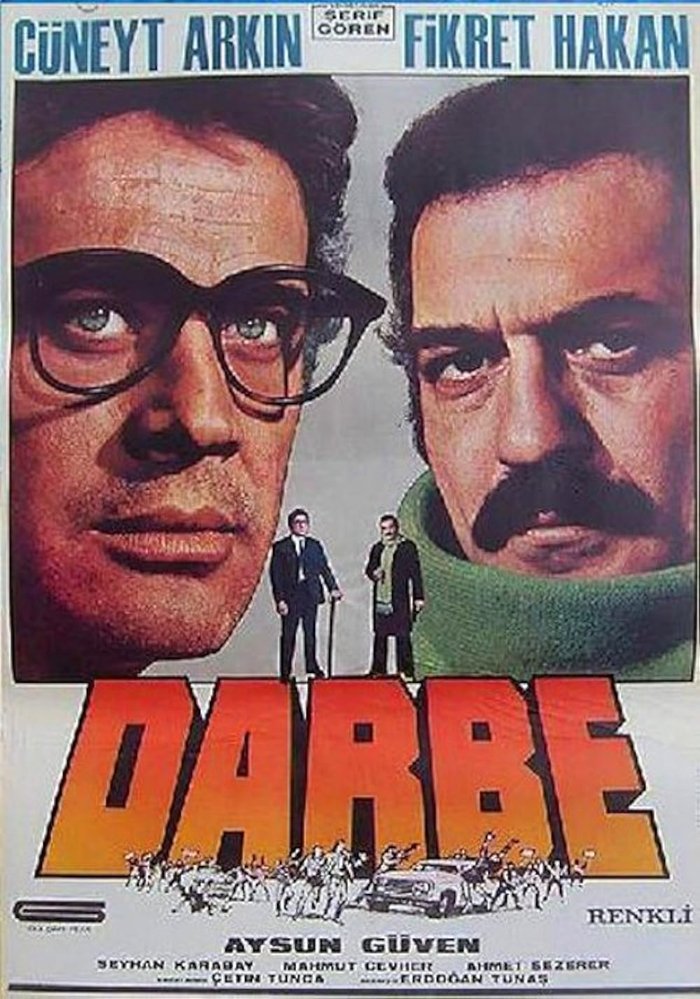
-
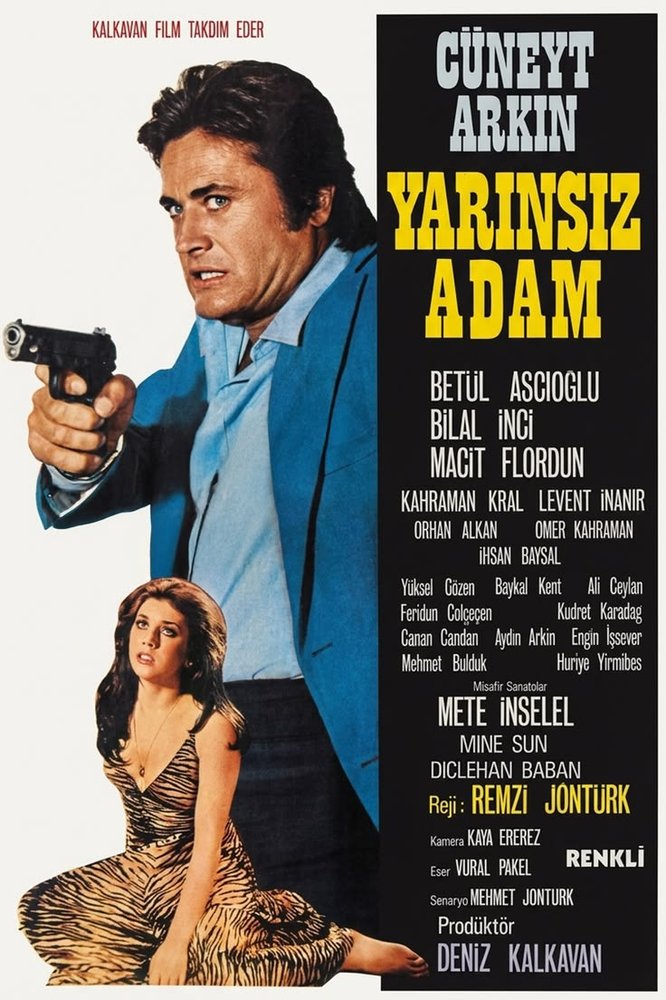
- Tuzak
-
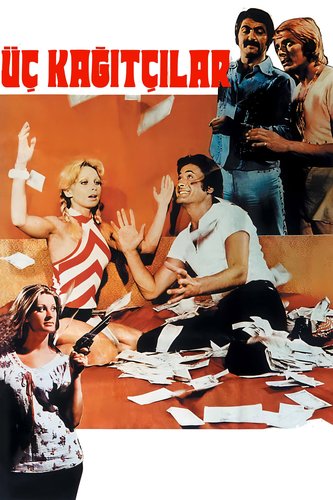
-

-

-

- Let's Meet at Dawn (Şafakta Buluşalım) (translated)
-

-
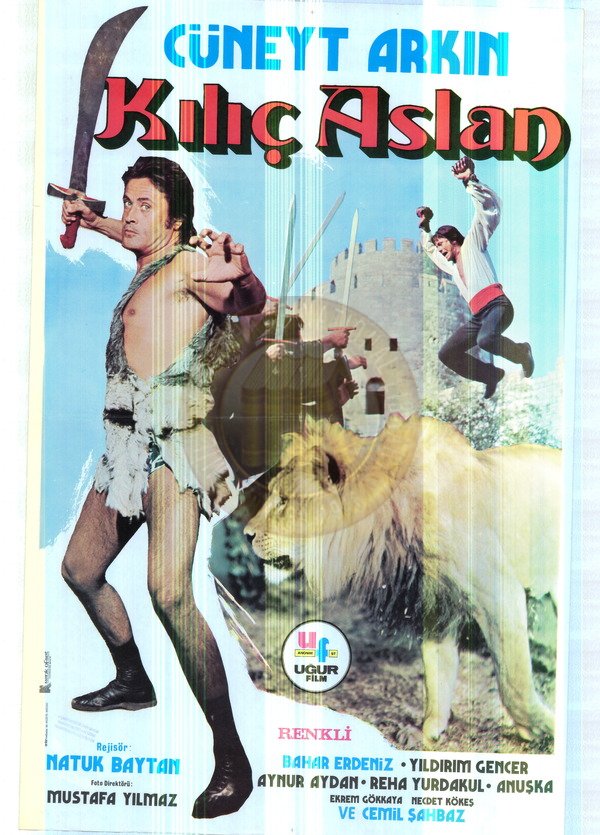
-
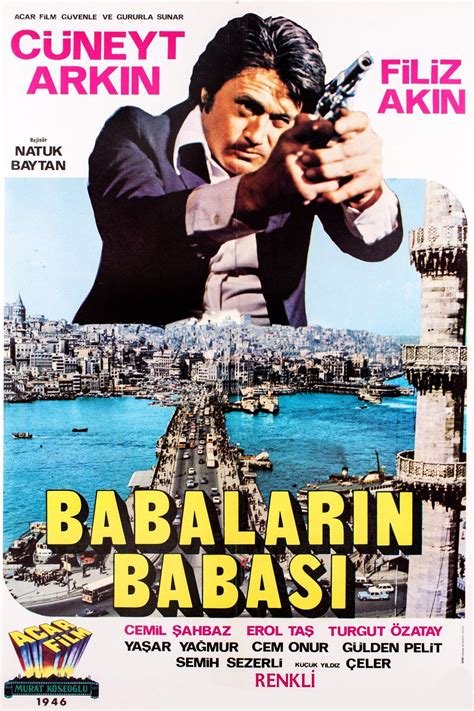
- Soysuzlar
- Kara Murat: Kara Şövalyeye Karşı
- Babanın Oğlu
-

-
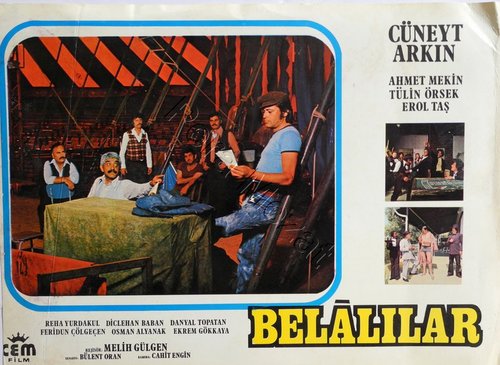
- Separate Worlds (Ayrı Dünyalar) (translated)
-
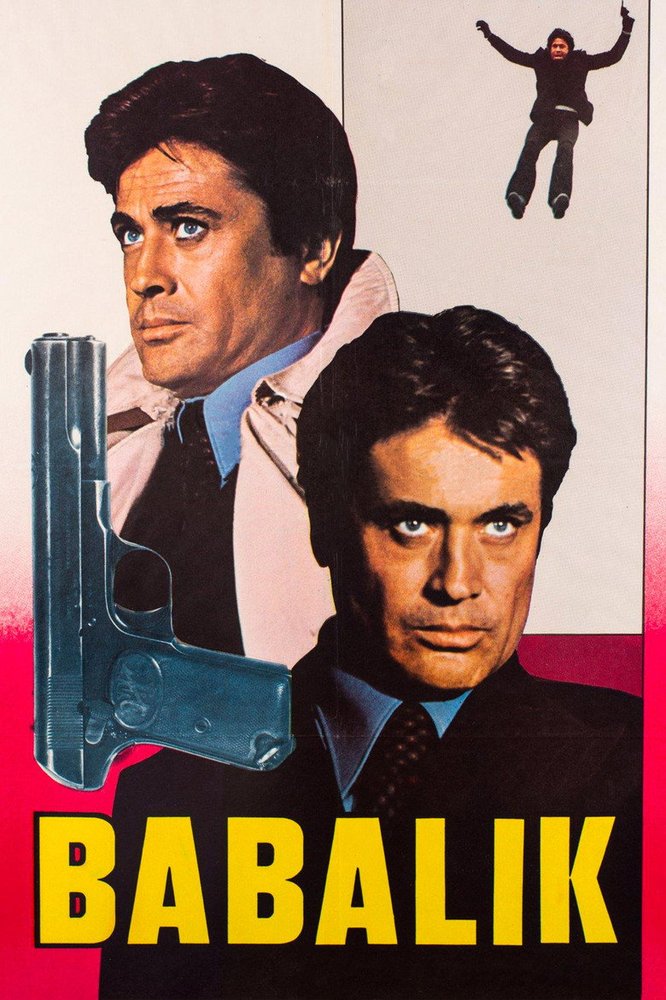
-

-

-

-
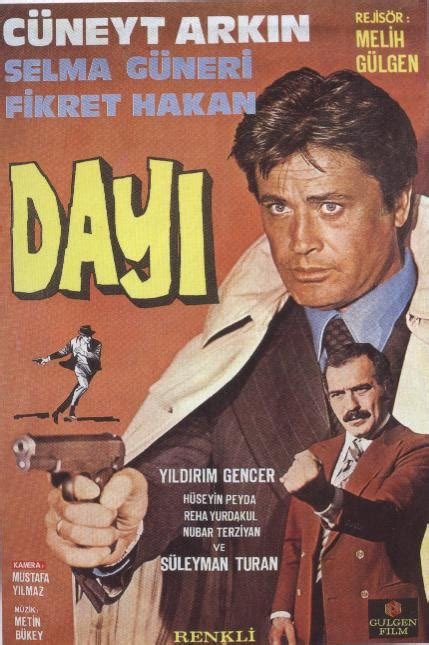
-
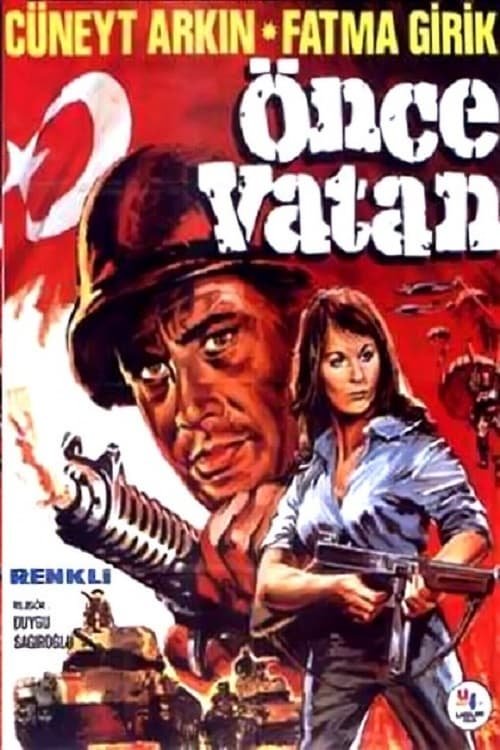
- Kara Murat: Ölüm Emri
- Bırakın Yaşayalım
- Yalnız Adam
-
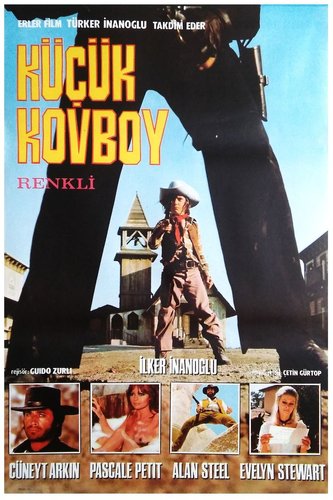
-
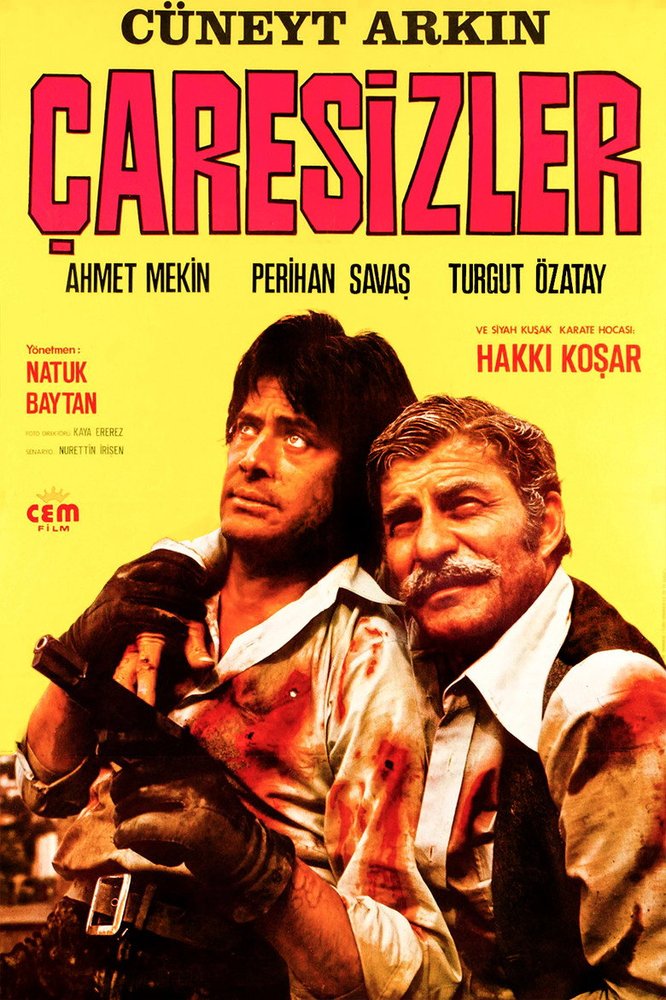
-

-

- Haul (Vurgun) (translated)
-
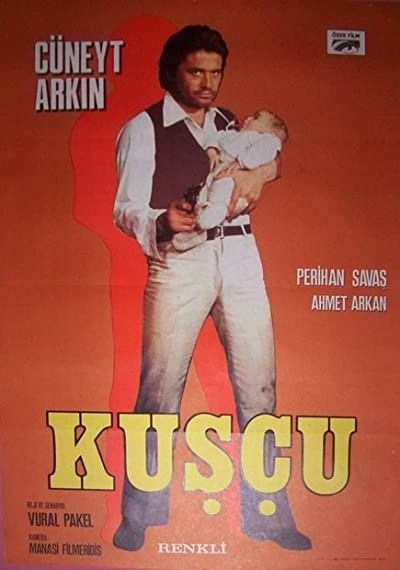
-

-

- Battal Gazi'nin İntikamı
- Savulun Battal Gazi Geliyor
-
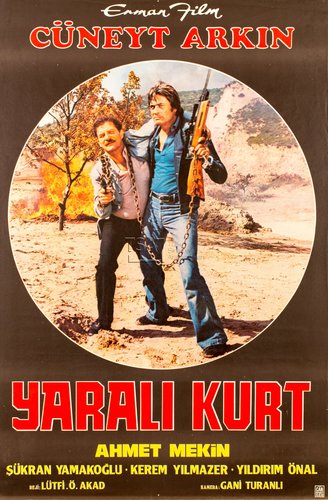
-
-

-
-
- The Prisoner (Mahkûm) (translated)
- The Innocent (Günahsızlar) (translated)
-

-

-

-

-

-
-

-

-
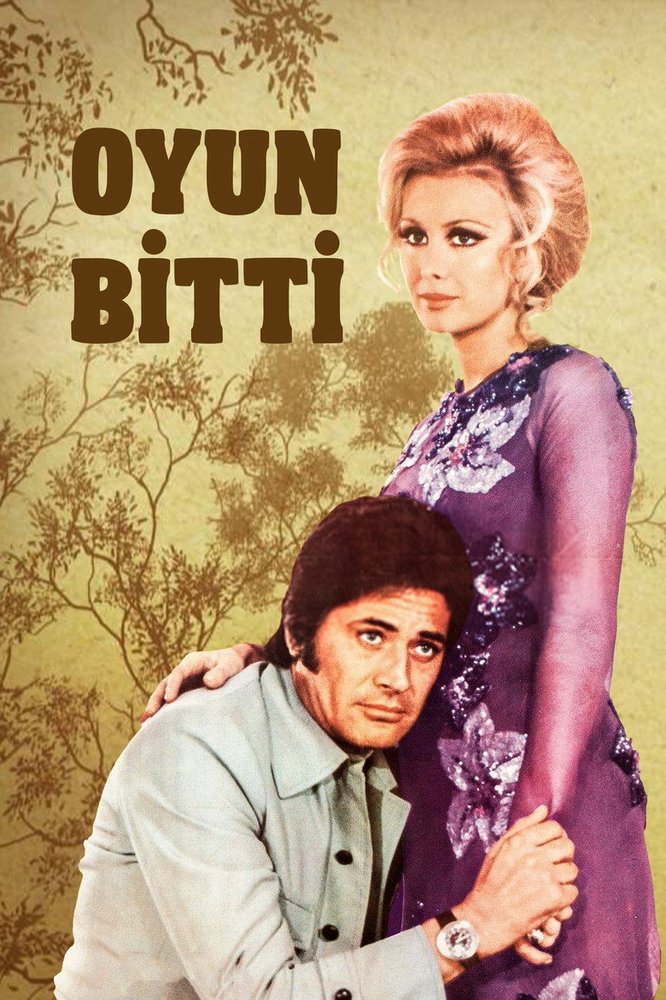
- Satın Alınan Koca
- Fakir Aşıkların Romanı
- Her Şey Oğlum İçin
- Cehenneme Bir Yolcu
-
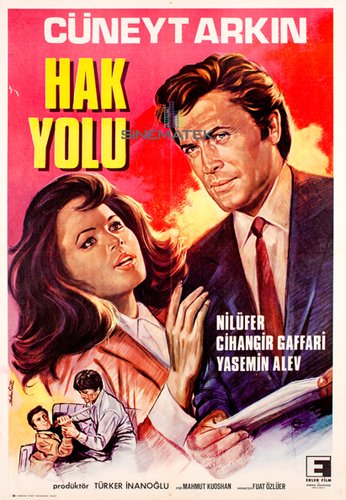
-
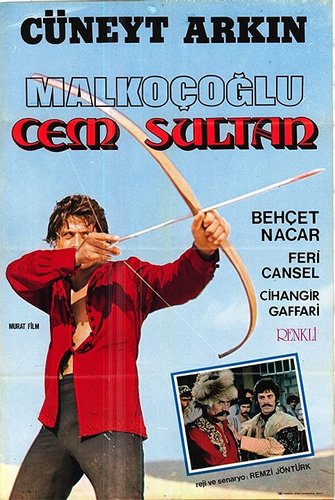
-
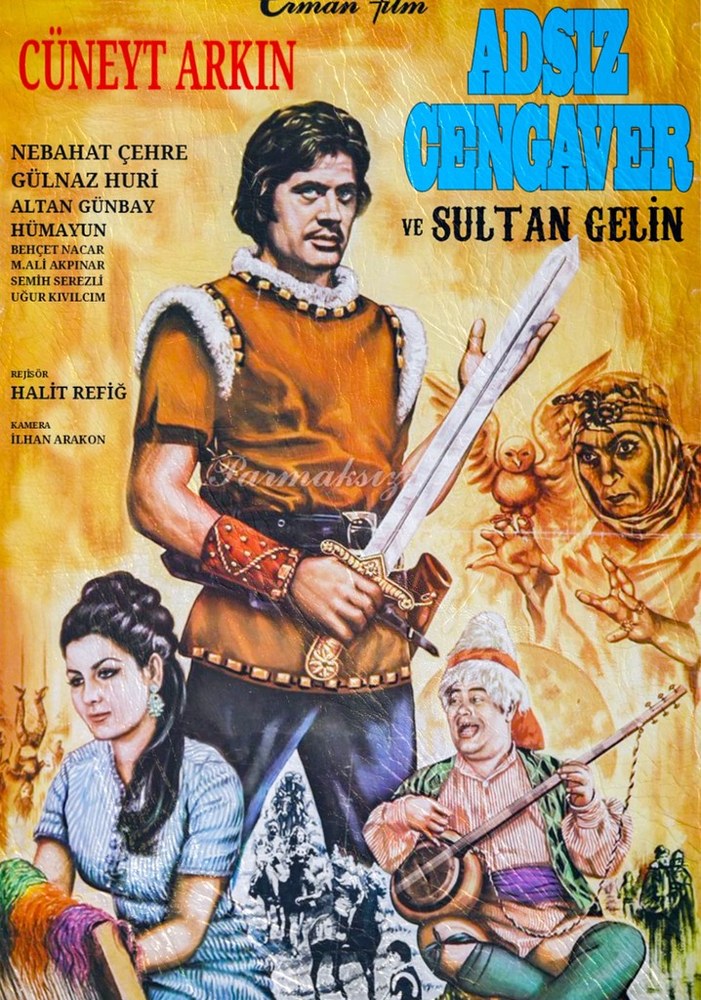
-
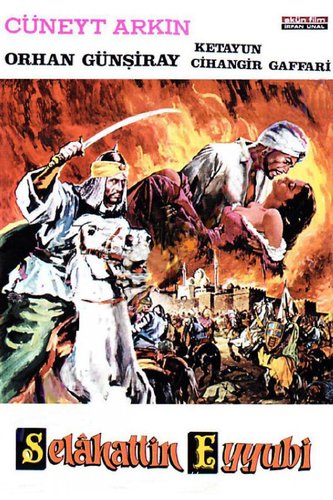
-

-

-
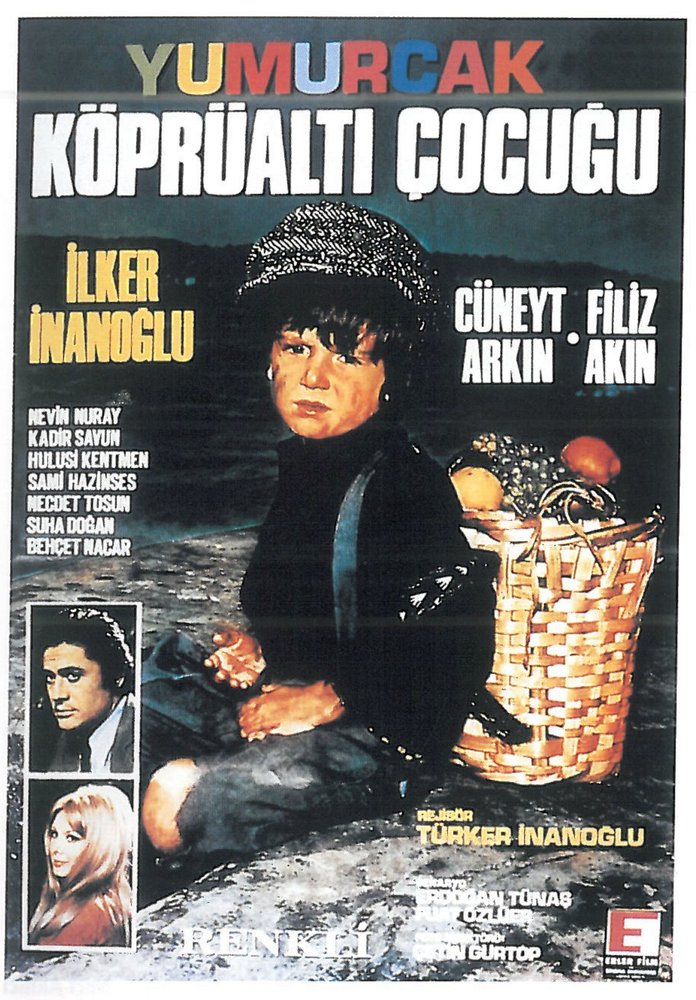
-
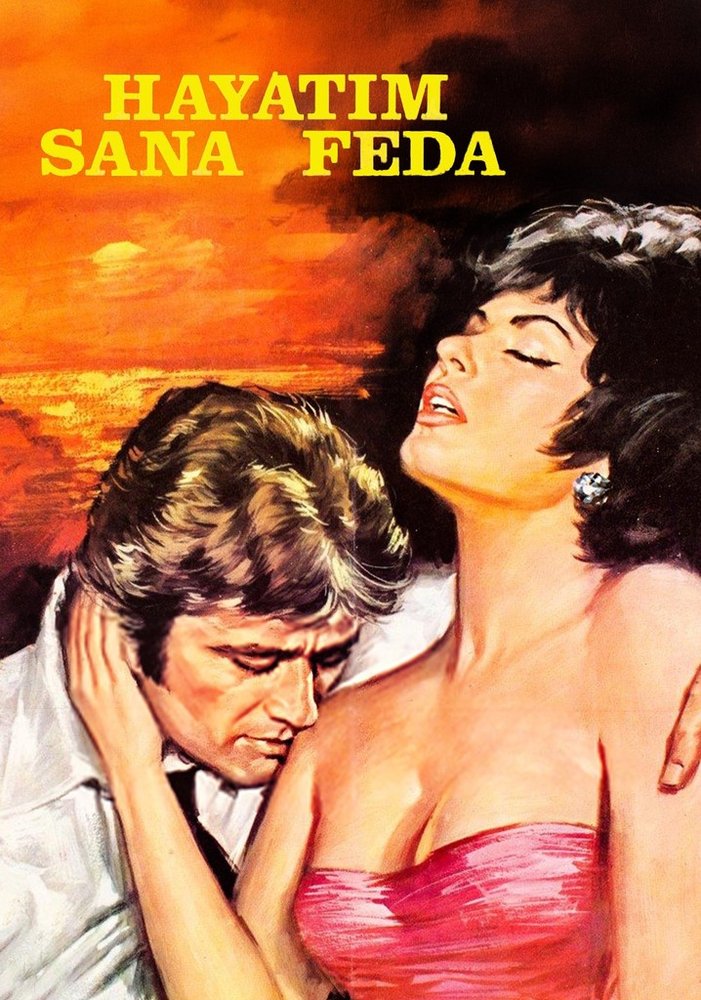
-
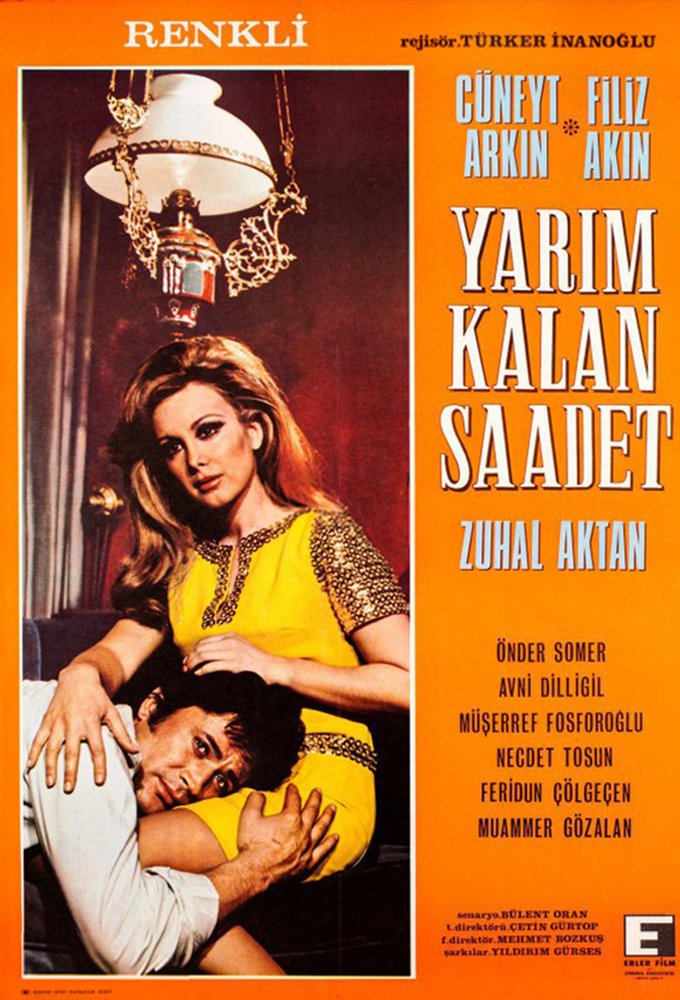
-

-

-

-
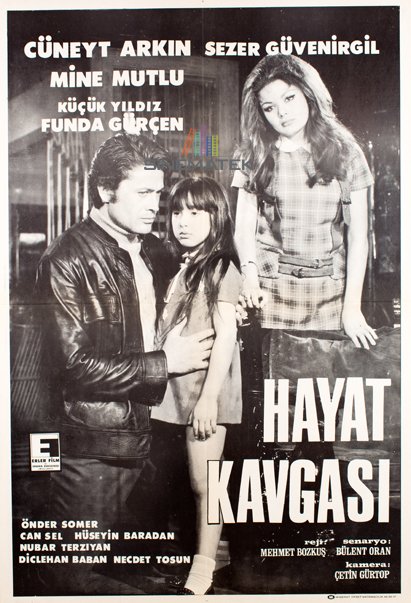
-
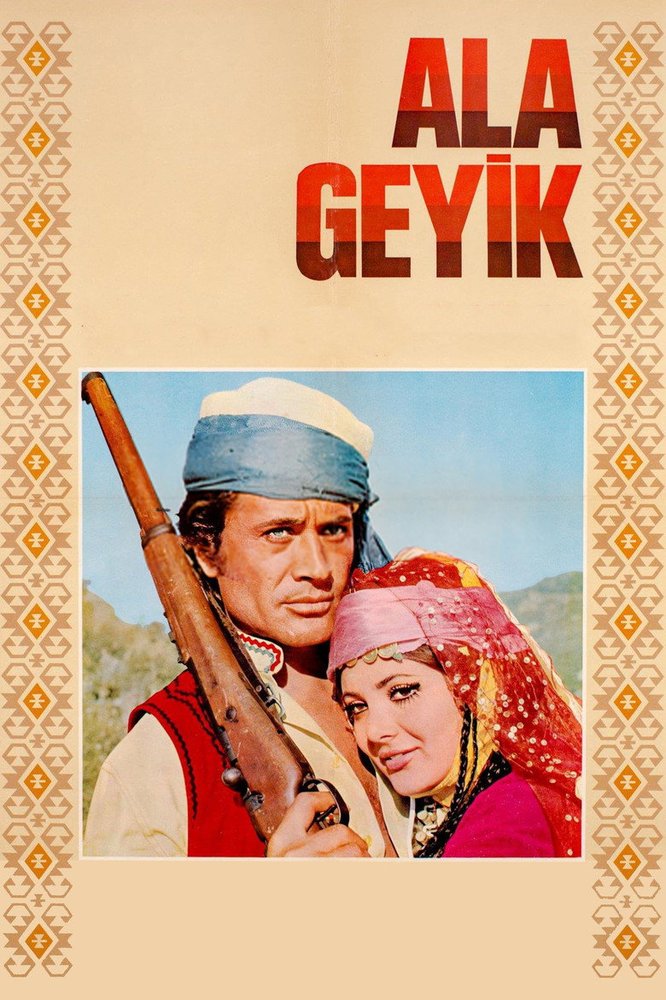
-
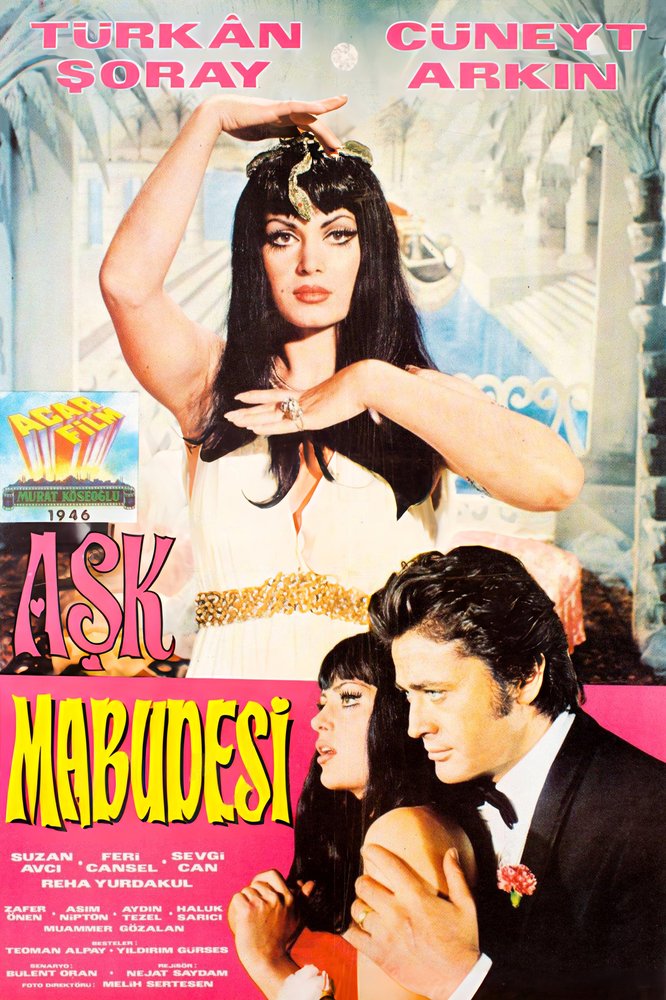
-

- Lekeli Melek
- İnsanlar Yaşadıkça
- Sevgili Babam
- Osmanlı Kartalı
-

-

-

-

-

-
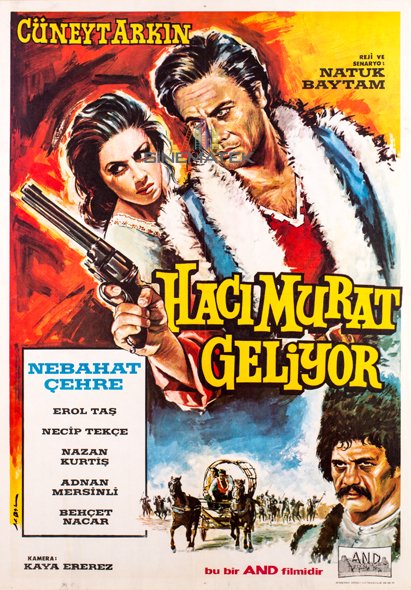
-
-

- Pranga Mahkumu
- Kader
- Zengin ve Serseri
- Zehirli Hayat
- İlk ve Son
- Gök Bayrak
- Yüzbaşının Kızı
- Son Vurgun
- Belalı Hayat
- Şafak Sökmesin
- Baharda Solan Çiçek
-

-
-

-

- Yıkılan Yuva
- Seni affedemem
- Cici Gelin
- Bir Şoförün Gizli Defteri
- Kırbaç Altında
- Kanunsuz Kahraman
- Hacı Murat
- İdam Günü
-
- Beloved in the Skies (Göklerdeki Sevgili) (translated)
-
-

-

-

-

-
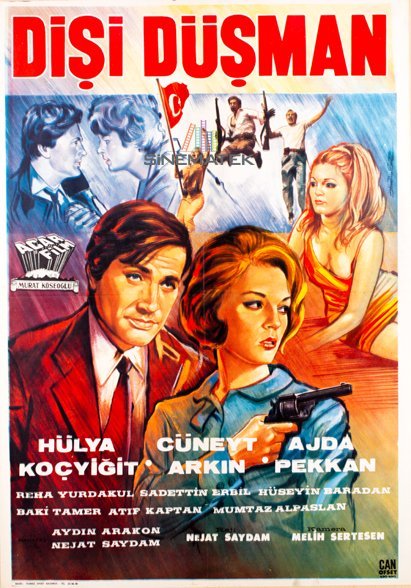
-

- Kıskanç Kadın
- Şafakta Üç Kurşun
- İntikam Uğruna
- Fakir Bir Kız Sevdim
- Çıtkırıldım
- Karanlıklar Meleği
- Acı Tesadüf
- İki Yabancı
- İntikam Ateşi
- Damgalı Adam
-

-

-

-
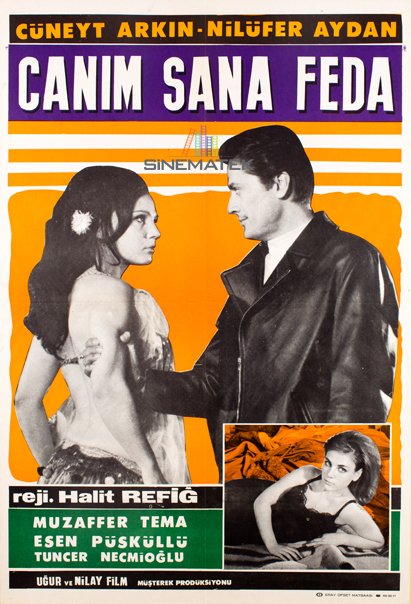
-

-

- Broken Lives (Kırık Hayatlar) (translated)
- Dudaktan Kalbe
- Horasan'dan Gelen Bahadır
- Sevgim ve Gururum
- Horasan'ın Üç Atlısı
- Aşk ve İntikam
- Sürtük
- Fakir Gencin Romanı
- Kanun Der Ki
- Ölümden Beter
- Ah Bu Dünya
- Satılık Kalp
-

-

-

- Love and Grudge (Aşk ve Kin)
- İstanbul'un Kızları
-
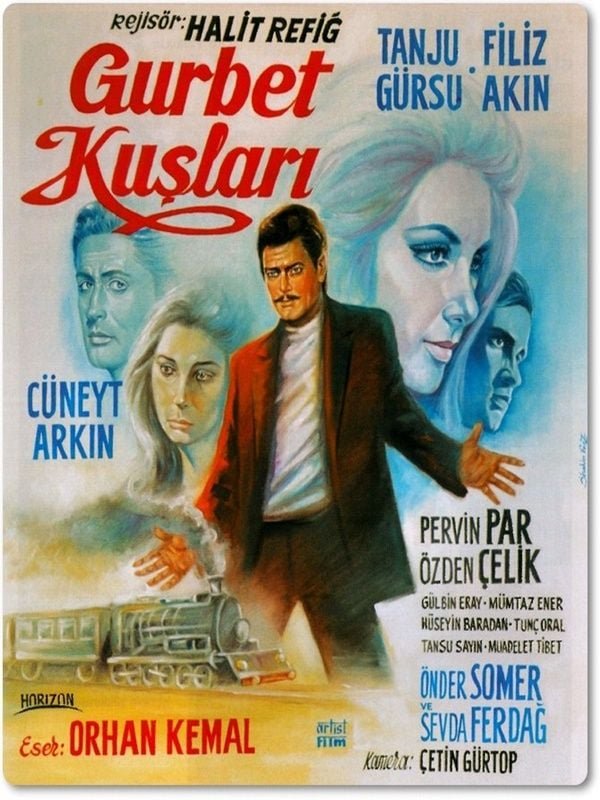
-
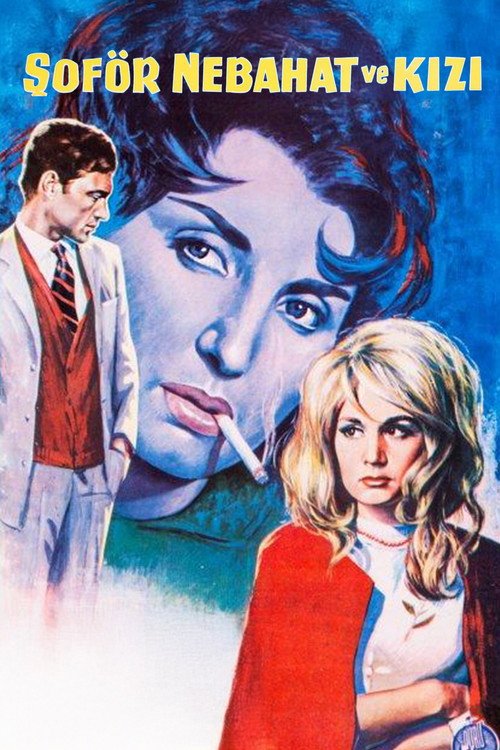
- İstanbul Sokaklarında
- Yankesici Kız
- Ayşecik Çıtı Pıtı Kız
- Cehennem Arkadaşları
- Günah Kadınları
- Çöpçatanlar Kampı


Cüneyt Arkın — Biography
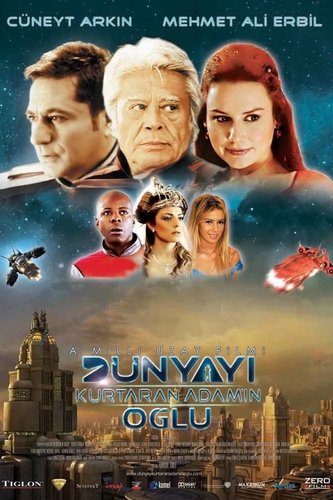
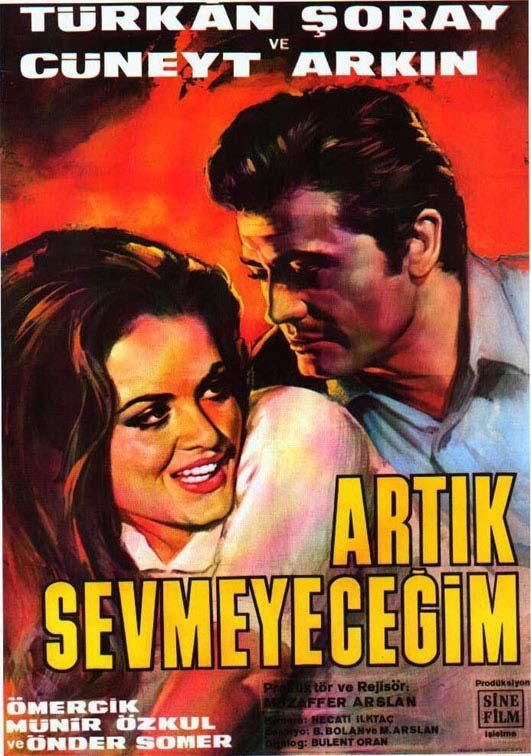
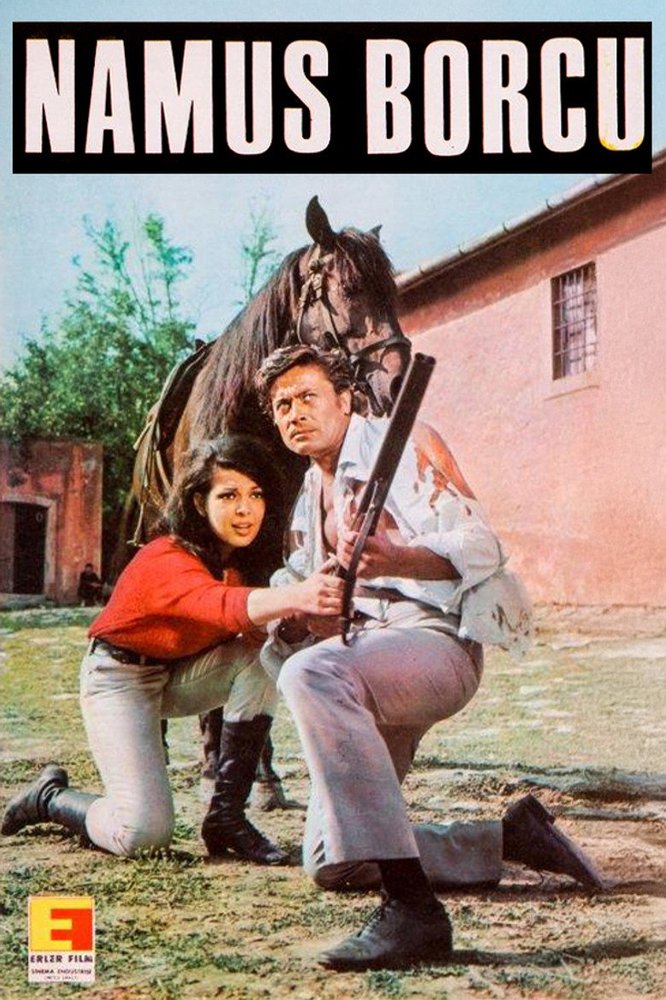
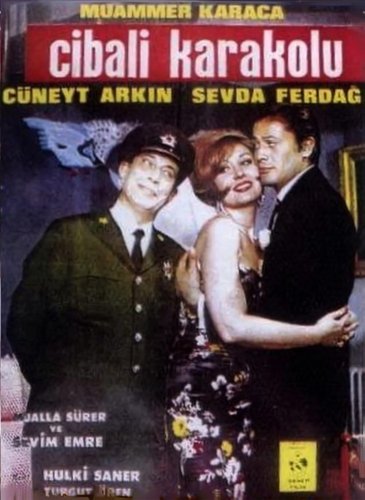
Cüneyt Arkın was one of the most prolific and best-loved action heroes of Turkish Yeşilçam cinema. Born Fahrettin Cüreklibatır, he gave up medicine for the screen and appeared in roughly 330 films, series and stage plays, while also writing scripts and working as producer and director. Abroad he is remembered above all for Dünyayı Kurtaran Adam, a film that grew into a cult favorite. He died in Istanbul on June 28, 2022.
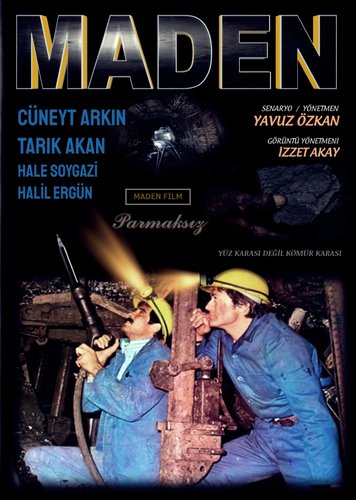
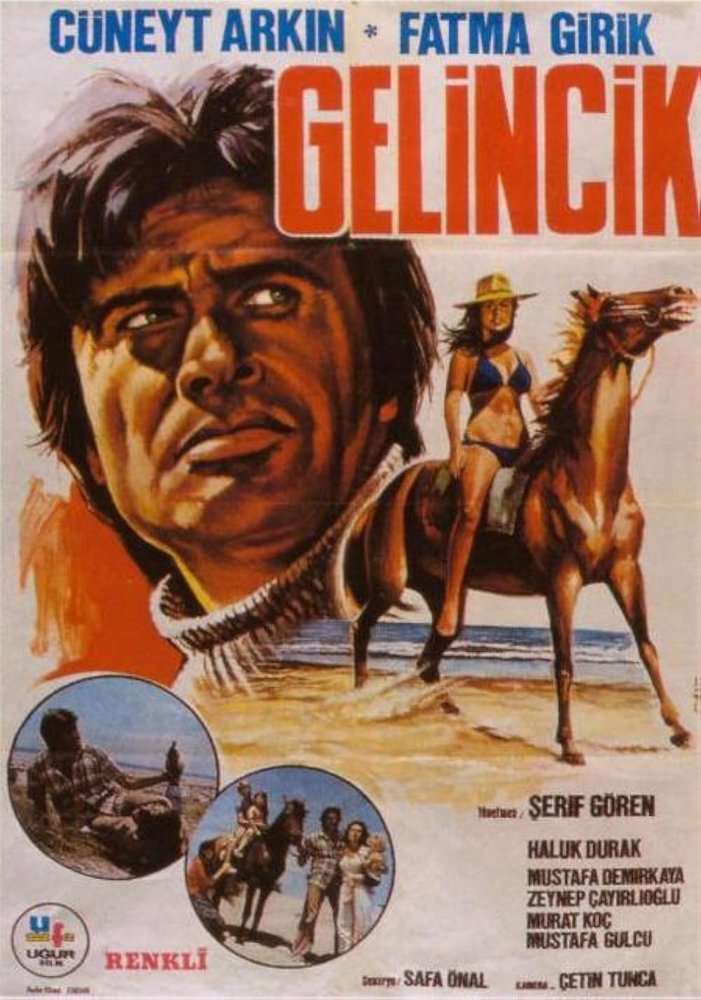
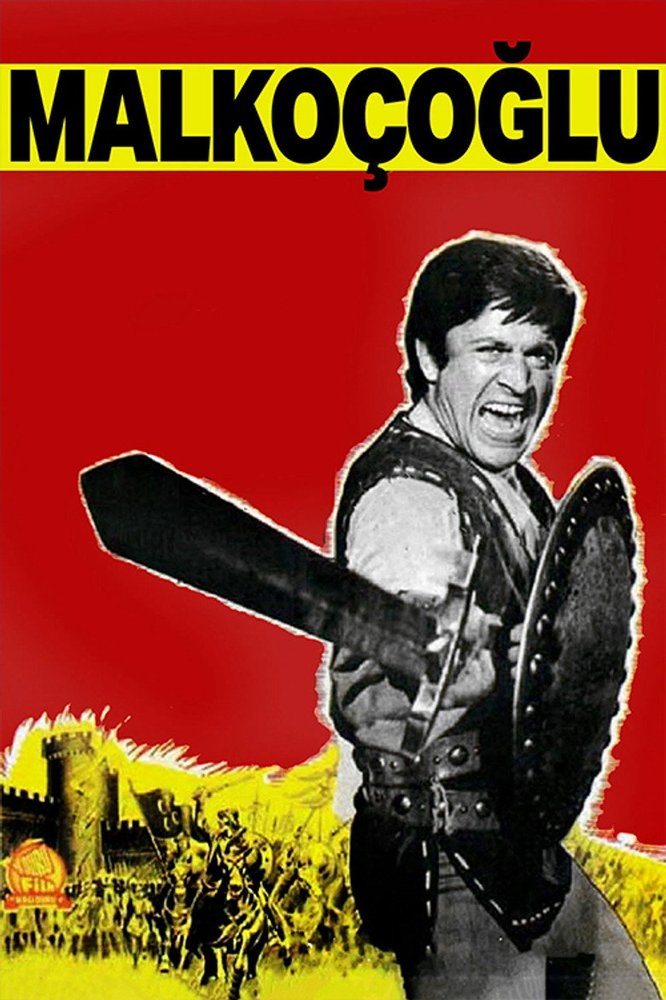
A graduate of Istanbul University's medical faculty in 1961, Arkın caught the eye of director Halit Refiğ during his military service, won a contest run by Artist magazine and began acting in 1963. His early years were spent as a romantic lead opposite Türkan Şoray, Fatma Girik, Filiz Akın and Hülya Koçyiğit. The fight scene at the end of Gurbet Kuşları steered him toward action, and he carried the acrobatics he trained in at the Medrano Circus into the Malkoçoğlu and Battal Gazi series. He refused stunt doubles and was injured on set many times. In the late 1970s he moved to socially minded films such as Maden and Vatandaş Rıza, then made action pictures like Ölüm Savaşçısı and İki Başlı Dev in the 1980s and turned to crime series in the following decade.
He won best actor at the Golden Orange in 1969 for İnsanlar Yaşadıkça. At the 1972 Adana Golden Boll festival, the jury chose him over Yılmaz Güney under political pressure, and he protested by declining the prize. He later received the Golden Orange lifetime honor in 1999 and the Presidential Culture and Arts Grand Award in 2021.
Reactions
You can pick up to 3 reactions.
Comments