Deli Şahin

Crazy Falcon (Deli Şahin) (translated)

Movie · 1976 · 11 people

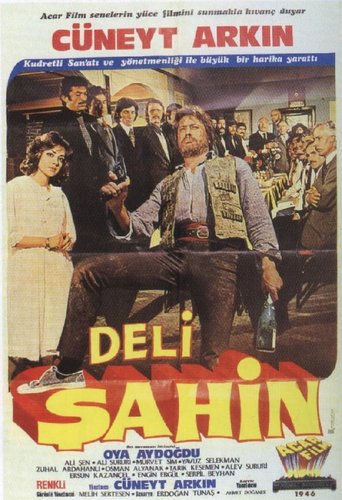
Deli Şahin ("Crazy Falcon") follows the popular "masala" style that blends action with humor; this Turkish adventure comedy in color dates from 1976. Its best-known distinction is that it was Cüneyt Arkın's first film as a director. Arkın also plays the title role of Deli Şahin. It is also remembered as the first film in which Oya Aydoğan acted.

Opposite Cüneyt Arkın, Oya Aydoğan plays Gülcan. The large cast includes Ali Sururi as Reşat Çaycıbaşı, Ali Şen as Abbas Tapancı, Mürüvvet Sim as Adile Tapancı and Alev Sururi as Melahat Çaycıbaşı. Ersun Kazançel plays Rıza, Osman Alyanak plays Avni Baba and Baykal Kent plays Ali, the man who gets people belly dancing. The world of the story features types such as tough guys, mobsters, a drunkard and neighborhood locals.

The screenplay was written by Mehmet Aydın and Erdoğan Tünaş. Murat Köseoğlu produced and Melih Sertesen handled the cinematography. Acar Film made the picture, with editing done at İpek Film. The film is dubbed: Toron Karacaoğlu voices Cüneyt Arkın, Rıza Tüzün voices Ali Şen and Sadettin Erbil voices Ali Sururi.

DirectorCüneyt Arkın
Production companyAcar Film

Reactions

You can pick up to 3 reactions.

Cast

Through different eyes

Yeşilçam Nostalgic A viewer raised on the classics, looking for warm storytelling and strong acting.

For those who remember Cüneyt Arkın only from sword-and-horse epics, Deli Şahin is a pleasant surprise: his first film behind the camera and an example of that loose seventies style mixing action with comedy. The crowded cast of neighbourhood types, tough guys and drunkards recalls the endearing ensembles of the old cinema. Still, to be honest, this masala approach, prone to loud and crude humour, is a little too much for my taste. Those looking for Yeşilçam's boisterous, scattered fun rather than its finesse will enjoy it more.

History & Society Lens Asks about the period, the social background and what the work reflects.

The types in Deli Şahin show how the popular cinema of the seventies saw the urban neighbourhood: tough guys, mobsters, a drunkard and the locals. These characters are less real people than social templates the audience recognised at once. The way the masala genre uses these types as material for both comedy and conflict suggests that in the fast-urbanising Turkey of those years the neighbourhood was felt to be a place of solidarity and danger alike. Being made while the dubbing tradition still held also makes the film a small witness to Yeşilçam's production conditions.

Cinephile Looks at script, editing and directing choices; keeps a distance from formula films.

As a star's first attempt at directing, Deli Şahin raises an interesting question: does Cüneyt Arkın build a language of his own behind the camera, or repeat the habits of the films he acted in? The masala genre already rests on a loose structure combining action, comedy and a neighbourhood panorama, which means a narrative that moves scene by scene rather than one with tight overall shape. A director who is also the lead makes it easy to keep the focus on the star but harder to lift the supporting characters beyond types. Dubbing choices, such as Arkın's voice coming from Toron Karacaoğlu, further complicate any judgement of the performances.

These are not reader reviews: they are short editorial takes written from different viewer perspectives with AI assistance. Reader reviews are below.

Reviews (0)

Log in Log in to write a review.

Comments