The Back Side of Beyoğlu (Beyoğlu'nun Arka Yakası)

The Back Side of Beyoğlu (Beyoğlu'nun Arka Yakası) (translated)

Movie · 1986 · 16 people

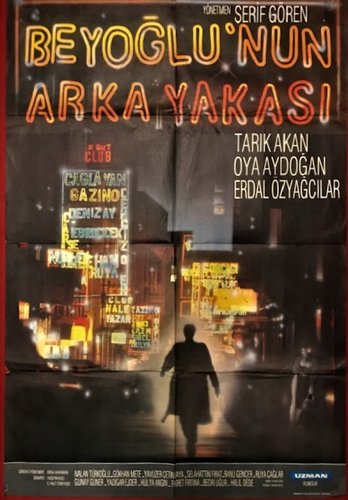
Şerif Gören directed Beyoğlu'nun Arka Yakası ("The Back Side of Beyoğlu"), a Turkish film from 1986. Shot in color on 35 mm, it runs 90 minutes. It sets its story in the night world behind the daytime face of Istanbul's Beyoğlu district, with Tarık Akan in the lead.

The plot starts with Haydar Rıza (Tarık Akan), a civil servant who storms out of the house after an evening quarrel with his wife. In the back streets of Beyoğlu he finds himself in a world he has never known, and his path crosses that of Zümrüt, played by Oya Aydoğan. The cast also includes Dilaver Uyanık (the inspector), Yavuzer Çetinkaya (the director), Günay Güner (İbo the watchmaker), Erdal Özyağcılar (Charlie) and Gökhan Mete.

Eyüp Halit Türkyazıcı and Hüseyin Kuzu wrote the screenplay, and Kadir Turgut and Ferit Turgut produced. The film was made by Uzman Film, with Erdal Kahraman as director of photography and Süleyman Karakaya and Mustafa Kul as editors. The film is dubbed, with Pekcan Koşar voicing Gökhan Mete.

DirectorŞerif Gören
Production companyUzman Film

Reactions

You can pick up to 3 reactions.

Cast
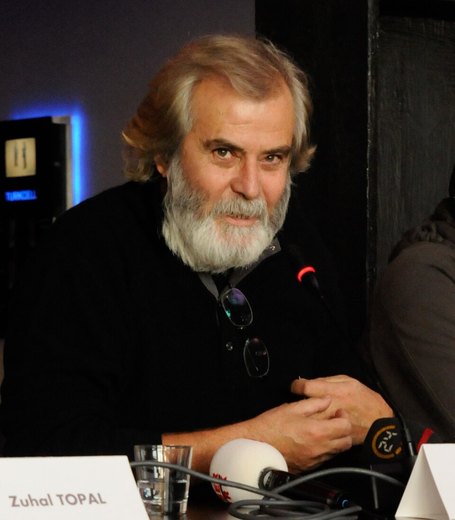
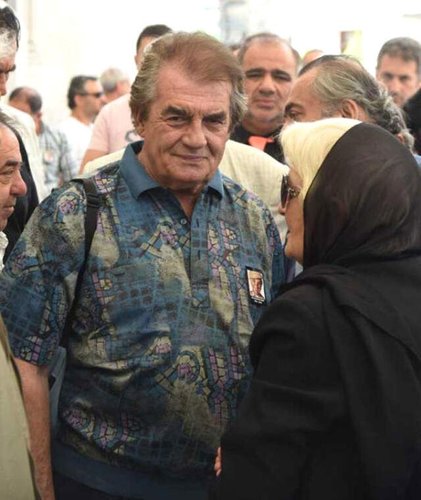
Tarık Akan Tarık Akan Actor · died at 66 Haydar Rıza Oya Aydoğan Oya Aydoğan Actor · died at 59 Zümrüt Erdal Özyağcılar Erdal Özyağcılar Actor · 78 years old Çarli Nalan Türkoğlu Gökhan Mete Yavuzer Çetinkaya Günay Güner Yadigar Ejder Actor · died at 43 Banu Gencer Rüya Çağla Seval Ayral Fikret Fırtına Hülya Angın Ayten Erman Bedri Uğur Selahattin Fırat Selahattin Fırat Film actor · died at 88
Through different eyes

Yeşilçam Nostalgic A viewer raised on the classics, looking for warm storytelling and strong acting.

It is interesting to see Tarık Akan here not as a shining hero but as an ordinary civil servant who storms out after a quarrel with his wife. To an eye used to Yeşilçam's warm family stories, this world of nightclubs, drink and arabesque music may feel a little harsh. But Şerif Gören's aim is not to prettify; it is to show what lies behind the city's daytime face. A story that looks for its moral centre in these dark streets is blurrier than the clear lines older films drew between good and bad, and that makes it both more realistic and more melancholy.

History & Society Lens Asks about the period, the social background and what the work reflects.

The film builds Beyoğlu as a district split between day and night, and makes that very line its subject. When a civil servant, the very picture of an orderly, respectable life, falls into a world of nightclubs, arabesque music, women of the night and a transvestite, two classes and two moralities come face to face. The supporting characters, from the inspector to İbo the watchmaker, widen the human landscape of the city's margins. Its attempt to make visible, through its hero's bewildered gaze, lives that the Istanbul of the time looked past makes it interesting today as a document of the city in the eighties too.

Cinephile Looks at script, editing and directing choices; keeps a distance from formula films.

Şerif Gören uses the template of discovering nightlife through an innocent's eyes; it is one of the most effective ways to carry an audience into an unfamiliar world, but also one of the most familiar. That the film is classed as drama, action, adventure and family all at once points, I think, to a tonal uncertainty; the family label in particular sits oddly with this subject. Technically, a common habit of the period shows up here too: several supporting actors are voiced by other performers, which risks a gap between performance and voice. In a film that leans on the atmosphere of night streets, Erdal Kahraman's cinematography is decisive; how convincingly the back-street world is built is the real yardstick for judging it.

These are not reader reviews: they are short editorial takes written from different viewer perspectives with AI assistance. Reader reviews are below.

Reviews (0)

Log in Log in to write a review.

Comments