For a Few Beautiful Days (Birkaç Güzel Gün İçin)

For a Few Beautiful Days (Birkaç Güzel Gün İçin) (translated)

Movie · 1984 · 17 people

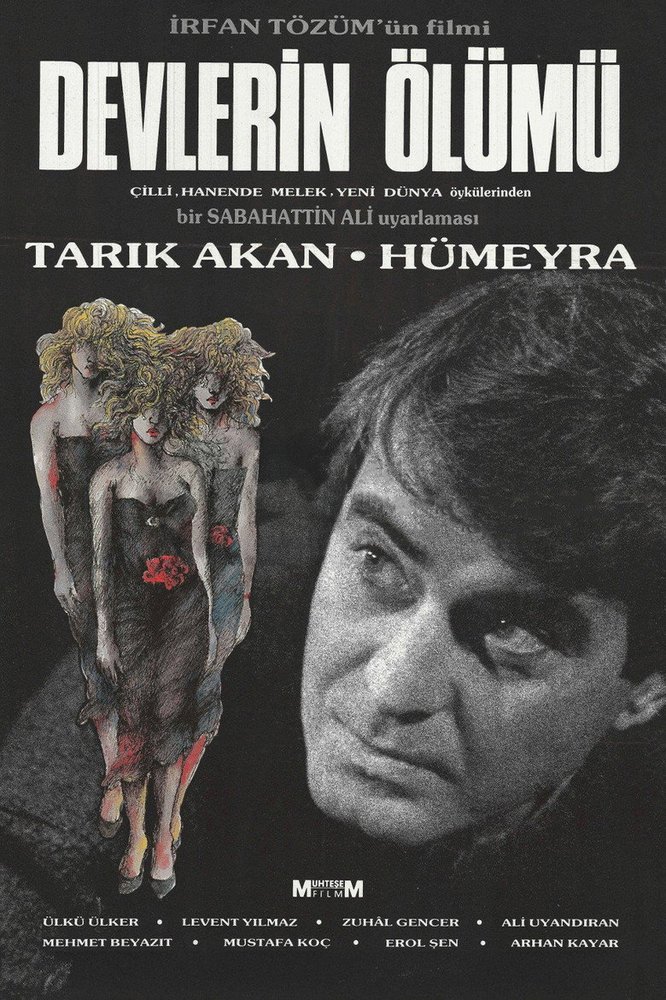
For a Few Beautiful Days (Birkaç Güzel Gün İçin) is a 1984 Turkish film. Shot in colour on 35 mm, it runs ninety-two minutes. Bülent Oran wrote the screenplay, Mehmet Ali Yılmaz produced it, and Tek Video Film is among the companies listed. İrfan Tözüm is the credited director, though leading man Cüneyt Arkın is sometimes credited as well.

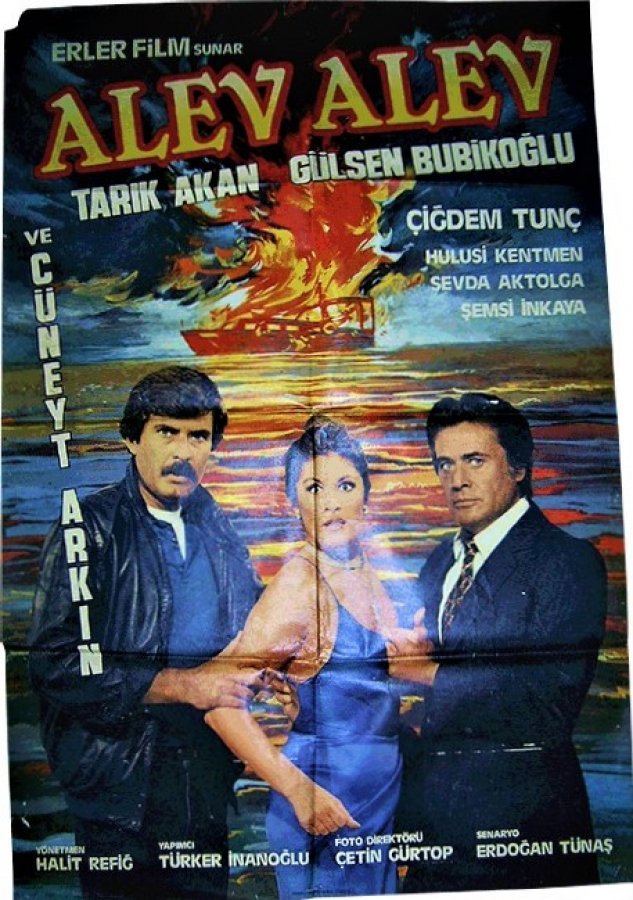
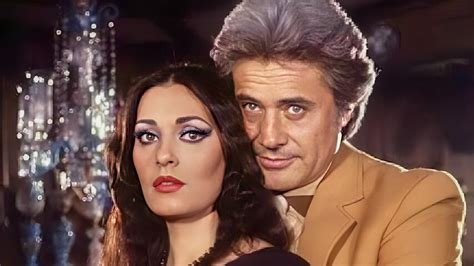
The story begins when Necla, after her father's death, hears his will read out and is stunned. The old man has left his entire fortune to his daughter on one condition: that she marry his former partner, Kemal Polat. Kemal, who gave up engineering to make a living as a fisherman, has spent years searching, with his friends, for the missing daughter. When he finds her, he takes the blame for a murder he witnessed, is tried and is sentenced to death. Necla agrees to a marriage of convenience with the condemned man, but the real culprit's emergence upends every calculation. Cüneyt Arkın plays Kemal and Necla Nazır plays Necla, with Cemal Gencer and İsmet Erten also in the cast.

The music is by Cahit Berkay and İzzet Öz, the cinematography by Hüseyin Özşahin and the editing by Nevzat Dişiaçık. Inheritance, murder and prison give the story its melodramatic texture.

Directorİrfan Tözüm
Production companyTek Video Film

Reactions

You can pick up to 3 reactions.

Cast

Through different eyes

Yeşilçam Nostalgic A viewer raised on the classics, looking for warm storytelling and strong acting.

Everything you would expect from a Bülent Oran script is here: a knot tied by a will, a sacrifice tested under the shadow of the gallows, and fate turning at the last moment. Eighties Yeşilçam melodramas often rested on exactly this kind of moral core, and the man who leaves his profession for the sea and shoulders someone else's crime is a familiar but still touching figure from that tradition. Cahit Berkay's share of the music carries the sound of the era. A sham marriage to a dying man may look contrived today; for lovers of old-fashioned stories of conscience, it is still a warm stop.

Cinephile Looks at script, editing and directing choices; keeps a distance from formula films.

The script runs on coincidence. Finding the long-lost daughter at the very moment of witnessing a murder, taking the blame, the death sentence: these beats are chained so tightly that there is no time to consider why the characters make their choices. Yet the film's most interesting idea is the sham marriage to a condemned man for the sake of an inheritance; what that arrangement means for both sides could have been the story's richest material. The fact that the leading man is sometimes credited as a director suggests a vehicle built around a star. Melodrama loves shortcuts, but here the shortcuts swallow the drama itself, and the real culprit's emergence plays more like a mechanism than a resolution.

History & Society Lens Asks about the period, the social background and what the work reflects.

The film's premise is a father deciding through his will whom his daughter will marry. In eighties melodrama a woman's fate was often drawn through inheritance and marriage, and here too, Necla can claim the fortune only by marrying the man her father chose, which plainly reflects the period's view of family and property. Kemal giving up engineering for fishing puts forward a type of man who values conscience over status. The film draws emotion from these conventions rather than questioning them; for today's viewer, what stands out is how naturally those assumptions are taken for granted.

These are not reader reviews: they are short editorial takes written from different viewer perspectives with AI assistance. Reader reviews are below.

Reviews (0)

Log in Log in to write a review.

Comments