When Will the Sun Rise? (Güneş Ne Zaman Doğacak)

When Will the Sun Rise? (Güneş Ne Zaman Doğacak) (translated)

Movie · 1977 · 15 people

Mehmet Kılıç directed and produced Güneş Ne Zaman Doğacak (When Will the Sun Rise), a colour Turkish film combining drama, history and politics. It opened on 1 April 1978. The story of two refugees who take shelter in Turkey follows a man punished for his faith under an oppressive regime. Made by Orhun Film, it is also remembered as the film being shown at the Çiçek Cinema in Maraş when an explosive was thrown in on 19 December 1978, an event regarded as the start of the Maraş Massacre.

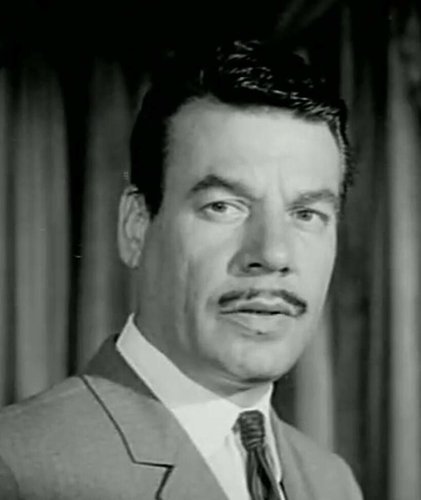
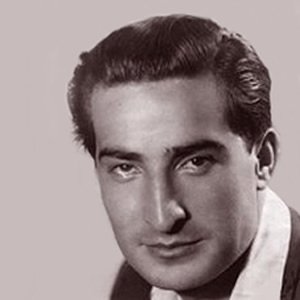
The story is set in Turkmenistan under communist influence, where Muslims are tortured. Yavuz Mehmetol is arrested for reciting the call to prayer. His friend Alpgiray Nuriyes hides his views, joins the intelligence service and rises to colonel, hoping to leave the country. He tells his superiors he will force Yavuz into becoming an agent, gets him out of prison, and the two flee to Turkey. Their only dream is to live freely, but nothing goes as hoped. Cüneyt Arkın plays Yavuz, Baki Tamer plays Alpgiray and Oya Aydoğan plays Cemile, with Turgut Özatay, Leman Akçatepe and Faruk Seyhan also in the cast.

Tufan Güner wrote the screenplay. The music is by Cengiz Korkut and İslam Güneş, and the cinematography by Abdullah Gürek.

DirectorMehmet Kılıç
Production companyOrhun Film

Reactions

You can pick up to 3 reactions.

Cast

Also in the cast: Faruk Seyhan

Through different eyes

Yeşilçam Nostalgic A viewer raised on the classics, looking for warm storytelling and strong acting.

For those who remember Cüneyt Arkın only for sword fights and fistfights, this film shows another side of him: a man jailed for reciting the call to prayer, whose only dream is to live freely. It speaks loudly of the big themes Yeşilçam loved, the longing for freedom and the suffering endured for one's faith. Heavy as the theme of torture is, at the heart of the story lies the loyalty between two friends, one of the things the old Turkish cinema valued most.

History & Society Lens Asks about the period, the social background and what the work reflects.

This film is remembered less for its own story than for what happened while it was showing: the explosive thrown into the Çiçek Cinema in Maraş is regarded as the start of the Maraş Massacre. That shadow is hard to separate from the film today. On its own terms, it portrays people punished for their faith in a Turkmenistan under communist influence and mirrors the sharp ideological divide of the Cold War years. At a time when political polarisation had spilled onto the streets, what such a film meant went far beyond the story on screen. An important document for anyone trying to understand how the cinema of the period connected with the tensions in society.

Cinephile Looks at script, editing and directing choices; keeps a distance from formula films.

The film is a typical example of 1970s political melodrama: the message walks ahead of the story, the agents of the oppressive regime serve functions rather than being characters, and that simplicity limits its dramatic power. Yet a more complex film is hidden inside the screenplay. Alpgiray, who hides his views and rises to colonel in the intelligence service, is a figure who could carry the tension between a double life, loyalty and survival. The script leans on the momentum of the escape story rather than deepening that conflict. Valuable for anyone studying the political cinema of the era; as pure cinema, a limited experience.

These are not reader reviews: they are short editorial takes written from different viewer perspectives with AI assistance. Reader reviews are below.

Reviews (0)

Log in Log in to write a review.

Comments