

Jeanne Moreau
Film actor · died at 89
Profile
| Age at death | 89 |
|---|---|
| Birth date | January 23, 1928 |
| Birthplace | Paris, France |
| Died | July 31, 2017 |
| Profession | Film actor, Film director, Singer, Screenwriter |
| Zodiac sign | Aquarius |
| Full name | Jeanne Moreau |
| Nationality | French |
| Education | Conservatoire national supérieur d'art dramatique |
| Spouse | Jean-Louis Richard, William Friedkin |
| Place of death | Paris, France |
In the rankings



Filmography / Projects
-
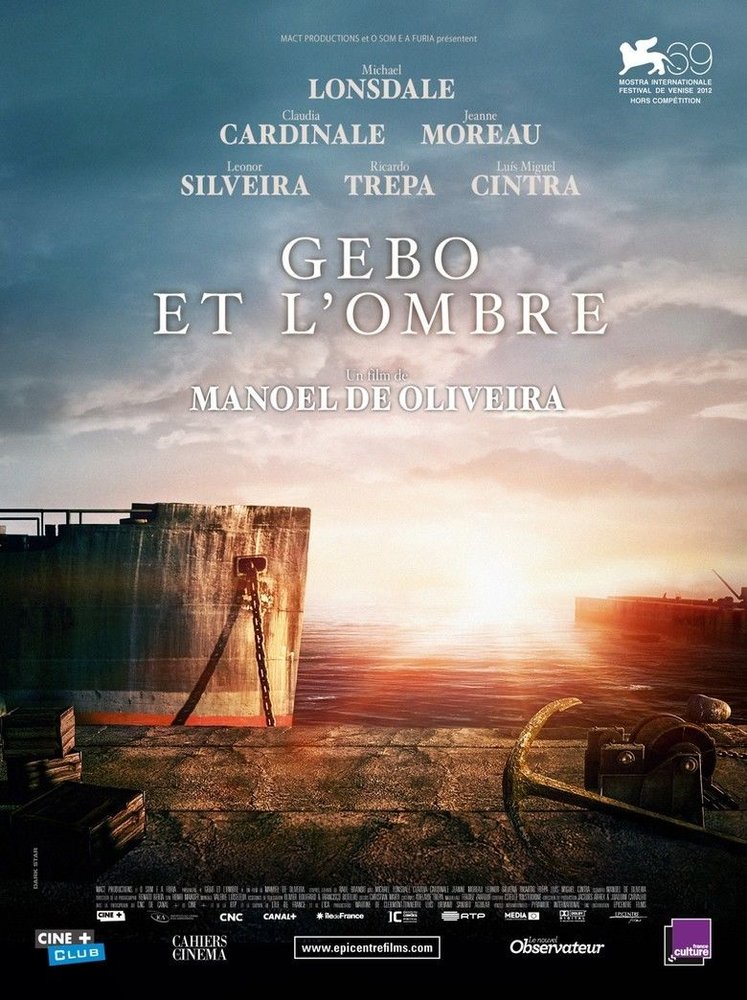 Gebo and the Shadow (Gebo et l'Ombre)
- Final Cut: Ladies and Gentlemen (Final Cut: Hölgyeim és uraim)
- Lullaby to My Father
-
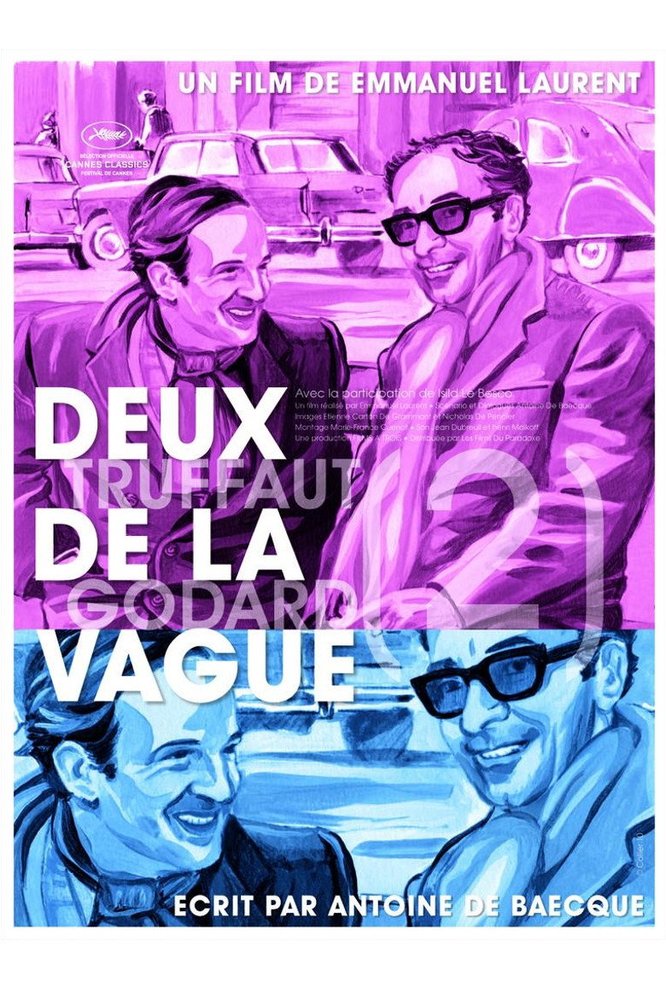 Two in the Wave (Deux de la Vague)
-
 Face (Visage)
- Carmel
-
 To Each His Own Cinema (Chacun son cinéma)
- Disengagement (Désengagement)
-
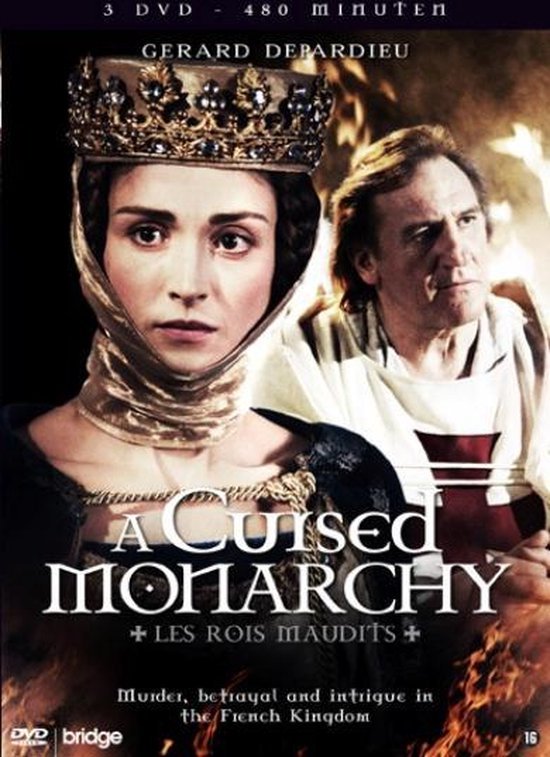 A Cursed Monarchy (Les Rois maudits)
-
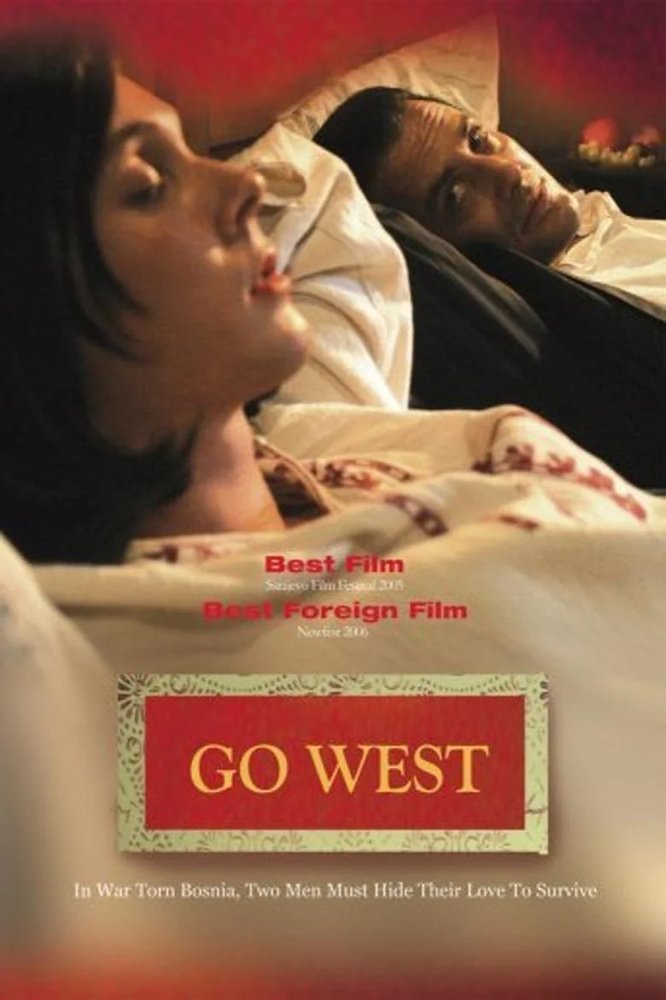 Go West
-
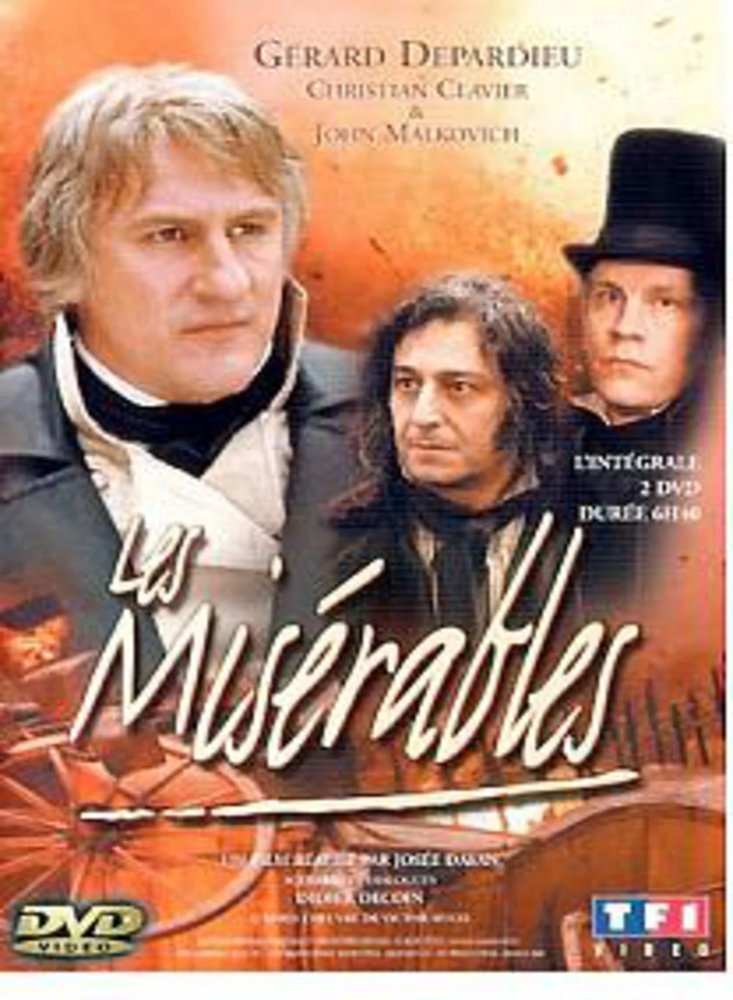 Les Misérables
- Sur un air d'autoroute
- Fassbinder's Women (Für mich gab's nur noch Fassbinder)
- Balzac
- Beyond the Clouds (Al di là delle nuvole)
-
 One Hundred and One Nights (Les Cent et Une Nuits de Simon Cinéma)
-
 The World of Jacques Demy (L'Univers de Jacques Demy)
-
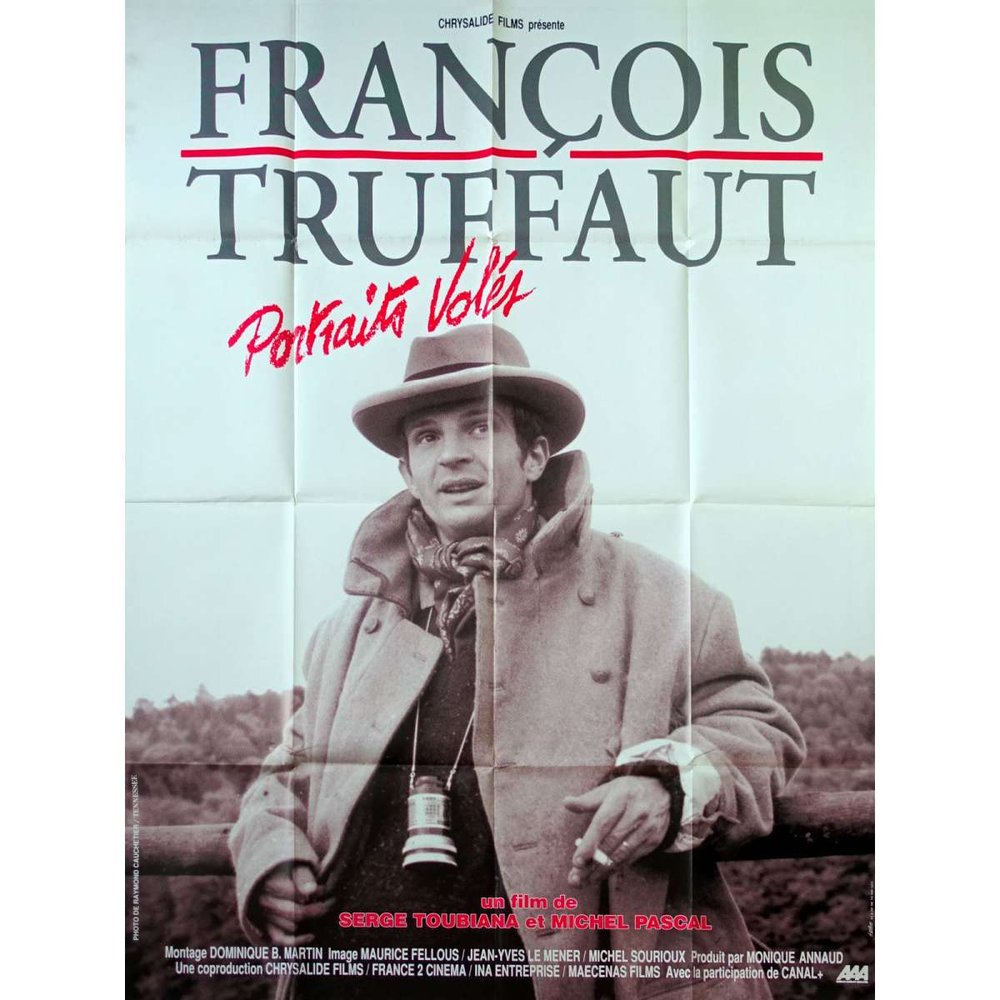 François Truffaut: Stolen Portraits (François Truffaut : Portraits volés)
- A demain
-
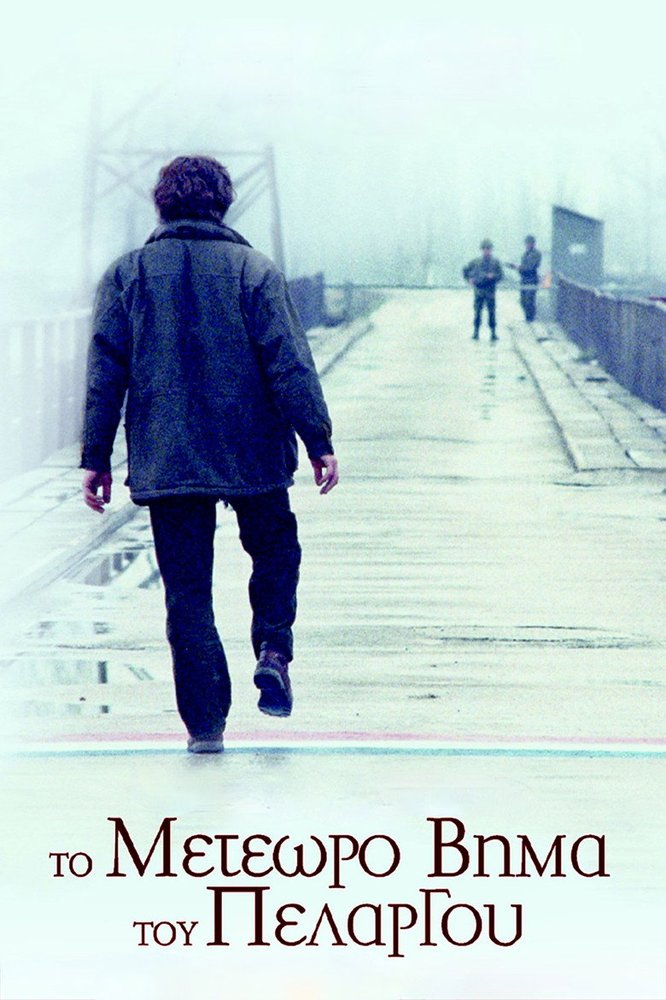 The Suspended Step of the Stork (To meteoro vima tou pelargou)
- The Old Lady Who Walked in the Sea (La vieille qui marchait dans la mer)
-
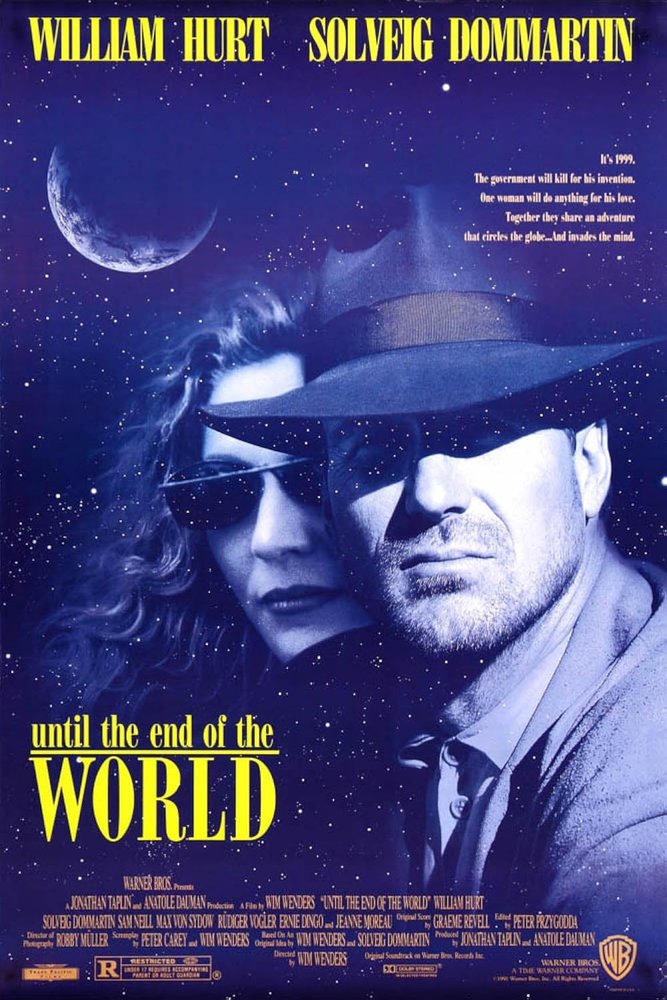 Until the End of the World (Bis ans Ende der Welt)
-
 Nikita
- La femme fardée
- The Miracle (Le Miraculé)
- Le Paltoquet
- Sauve-toi, Lola
- Your Ticket Is No Longer Valid
-
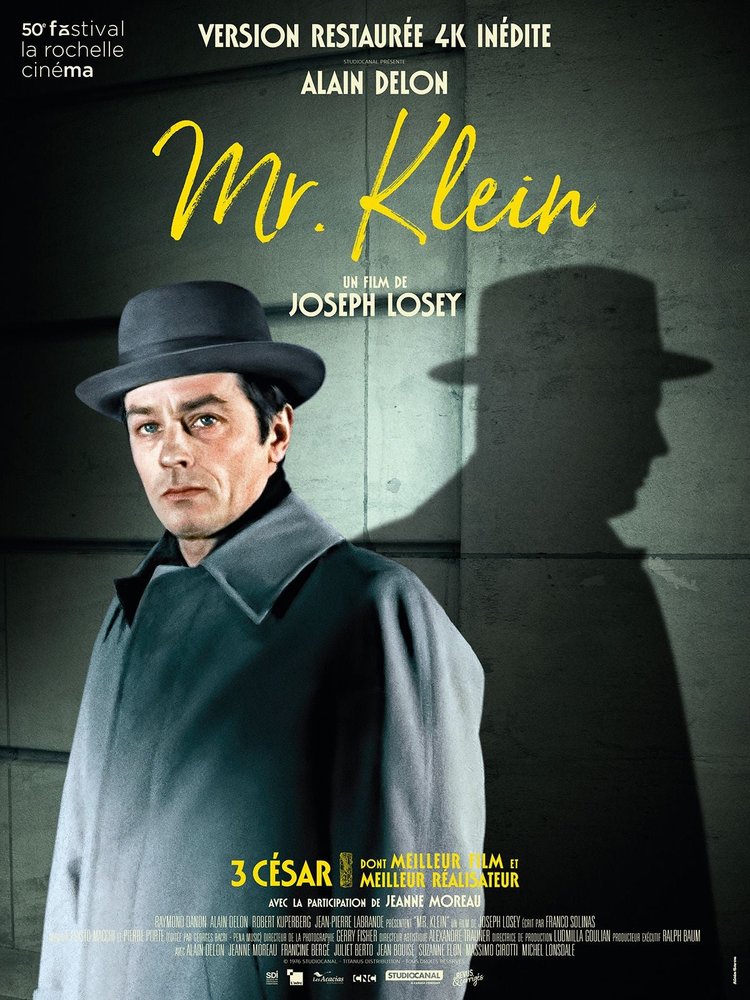 Monsieur Klein
- Lumière
-
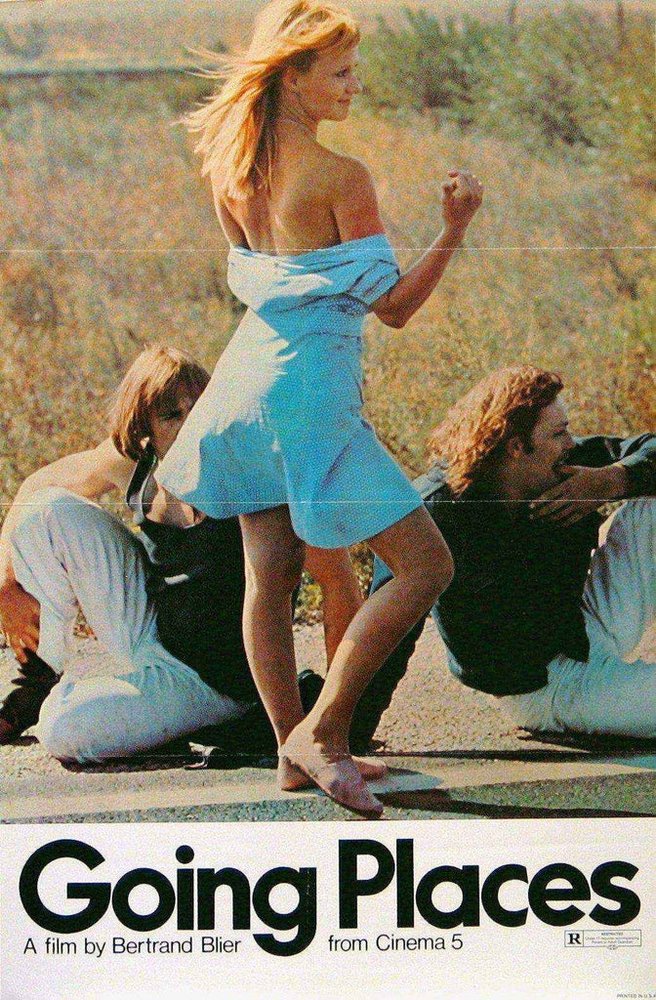 Going Places (Les Valseuses)
- The Garden That Tilts (Le Jardin qui bascule)
- Repeated Absences (Absences répétées)
- Dear Louise (Chère Louise)
-
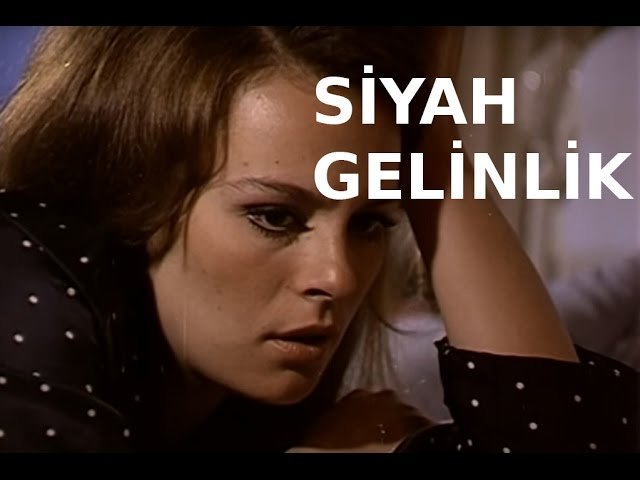 The Bride Wore Black (La mariée était en noir)
-
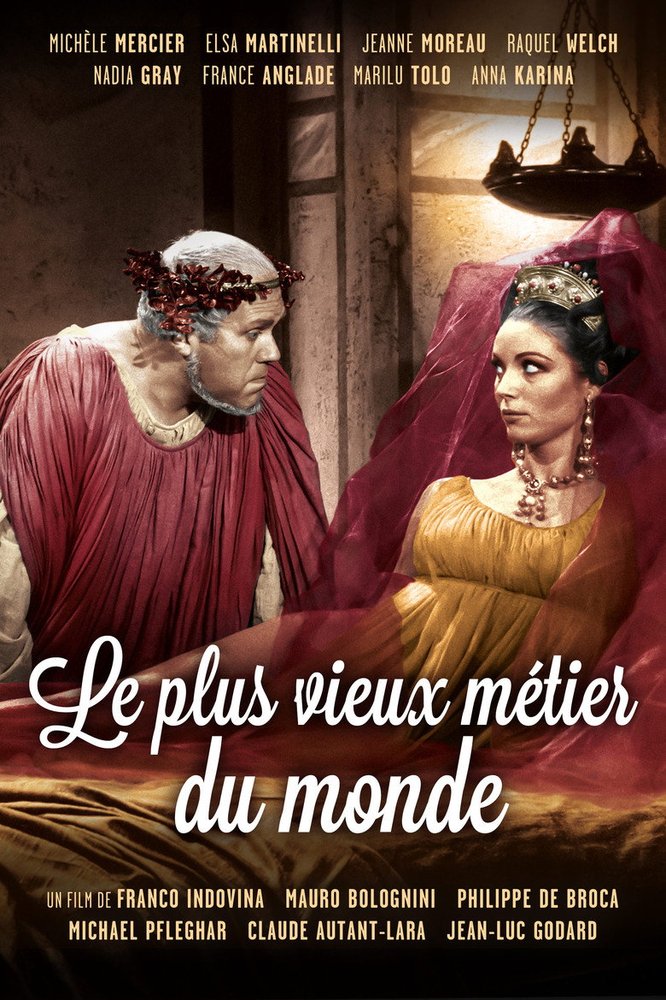 The Oldest Profession (Le Plus Vieux Métier du monde)
-
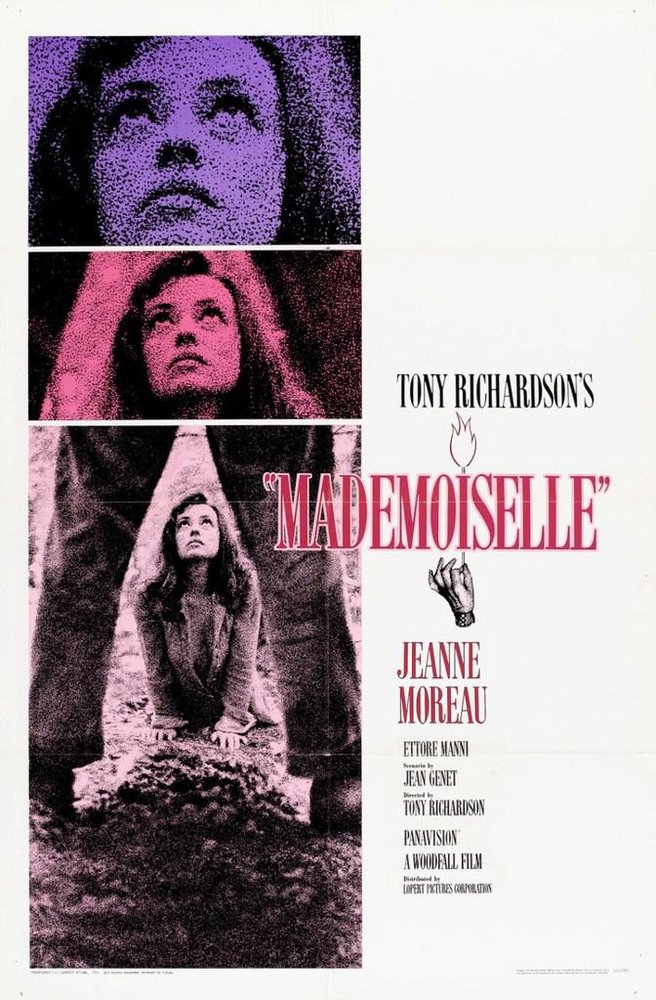 Mademoiselle
-
 The Train
-
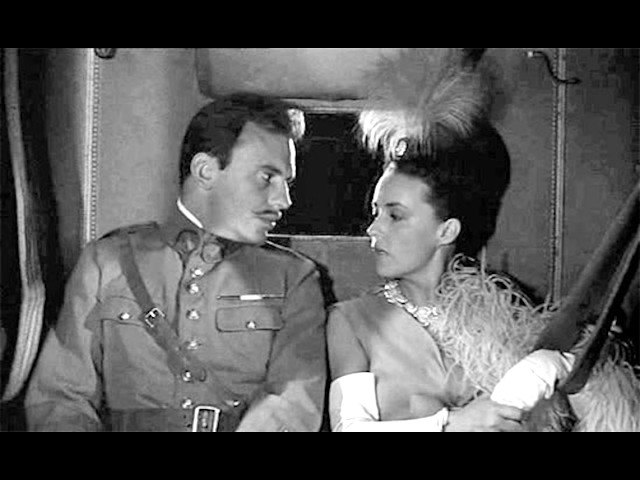 Mata Hari, agent H 21
-
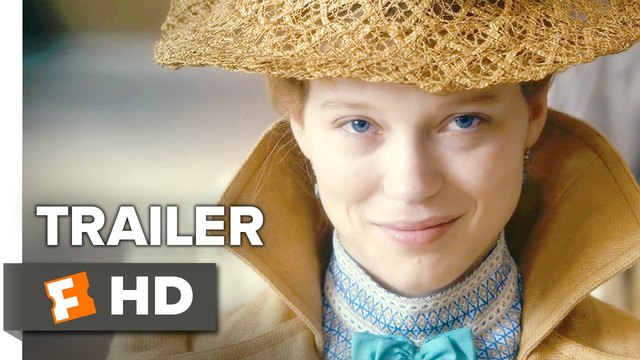 Diary of a Chambermaid (Le Journal d'une femme de chambre)
-
 The Yellow Rolls-Royce
-
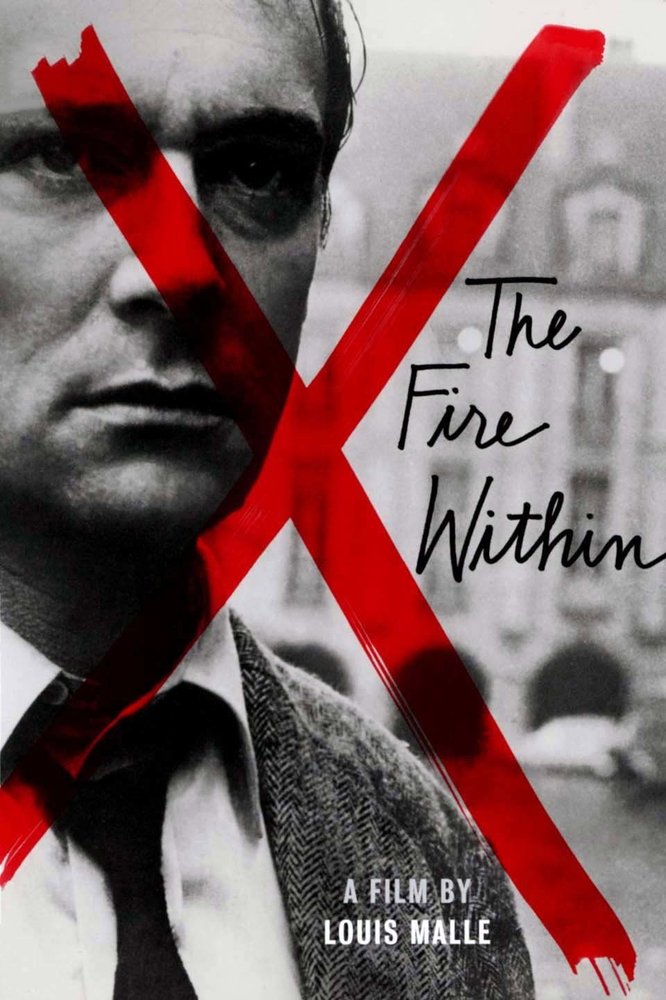 The Fire Within (Le Feu follet)
-
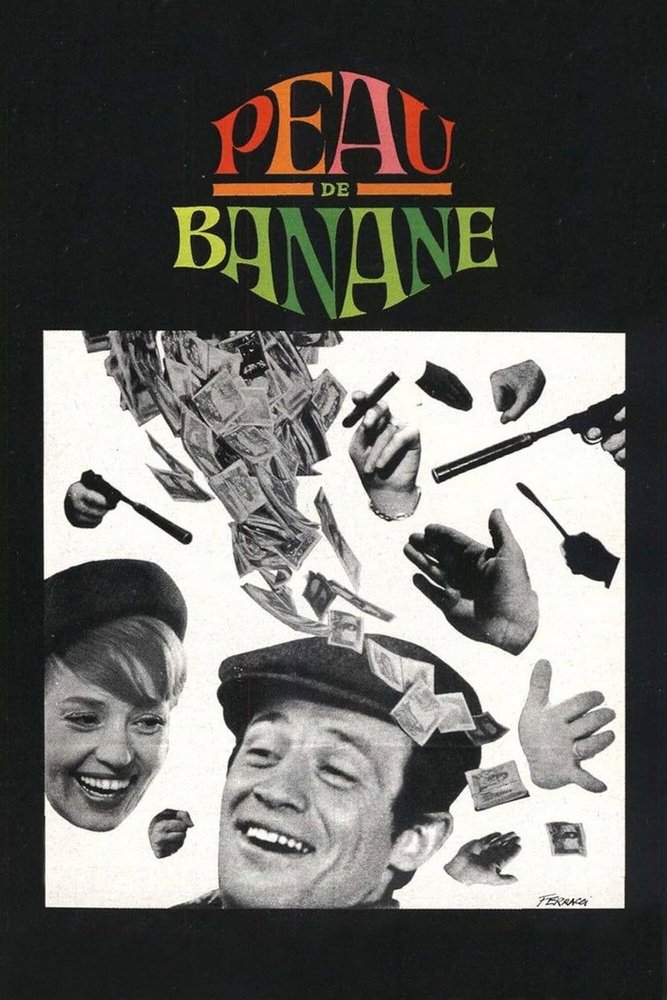 Banana Peel (Peau de banane)
-
 The Trial (Dava)
-
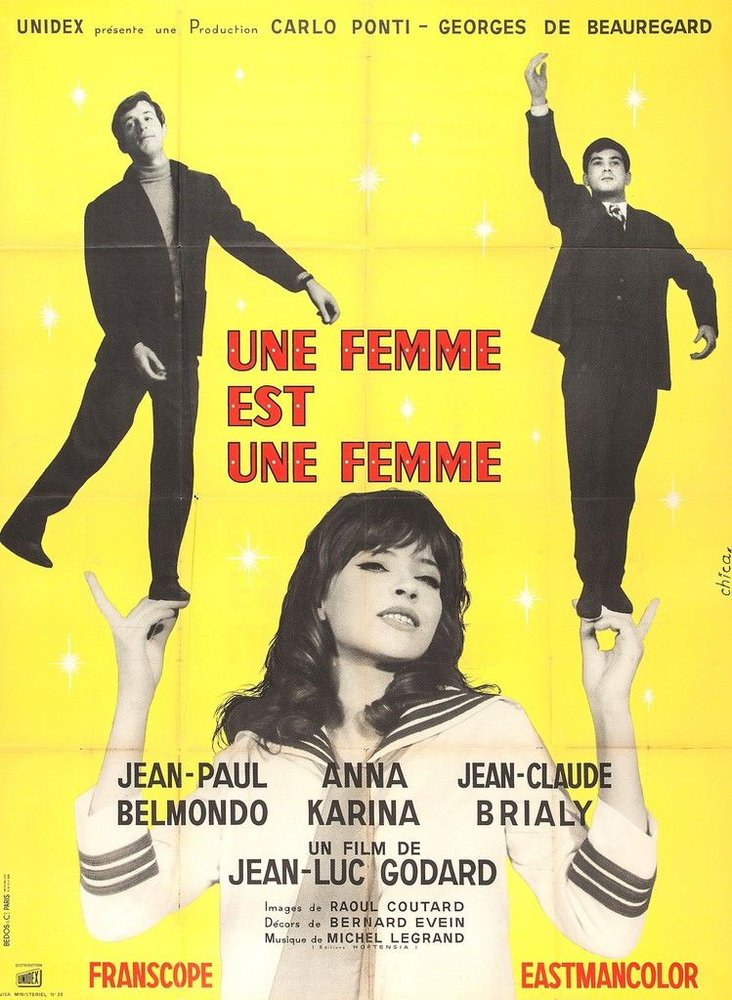 A Woman Is a Woman (Une femme est une femme)
-
 La Notte
-
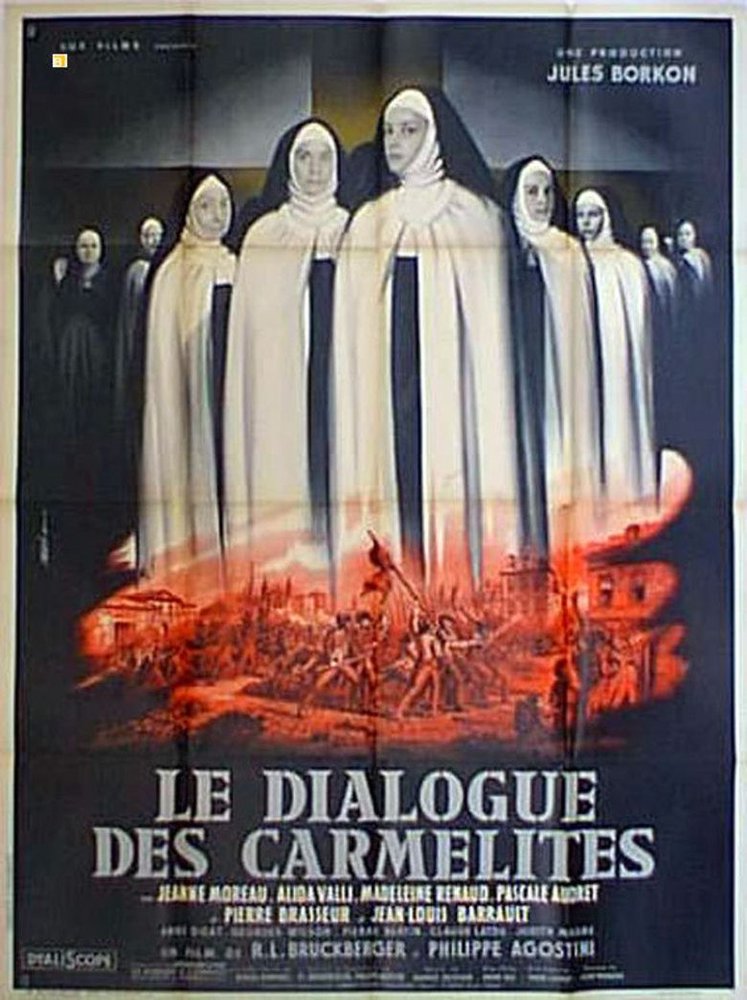 Dialogue with the Carmelites (Le Dialogue des carmélites)
-
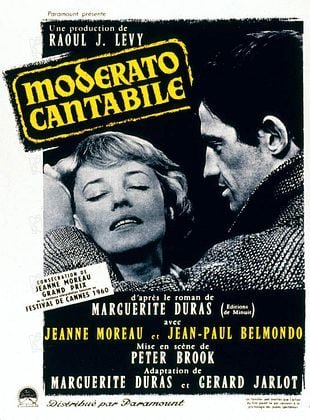 Seven Days... Seven Nights (Moderato cantabile)
-
 Five Branded Women
-
 The 400 Blows (Les Quatre Cents Coups)
- Les liaisons dangereuses (Les Liaisons dangereuses 1960)
-
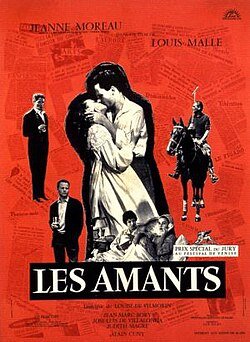 The Lovers (Les Amants)
- Le Dos au mur
- Three Days to Live (Trois jours à vivre)
-
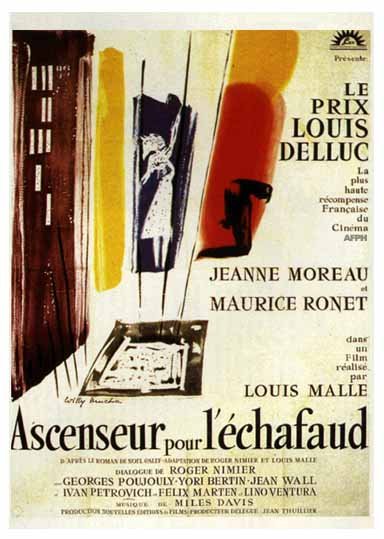 Elevator to the Gallows (Ascenseur pour l'échafaud)
- Until the Last One (Jusqu'au dernier)
- L'étrange Monsieur Steve
- Les louves
- Gas-Oil
- M'sieur la Caille
- Men in White (Les Hommes en blanc)
- The Bed (Secrets d'alcôve)
- La Reine Margot
- Dortoir des grandes
-
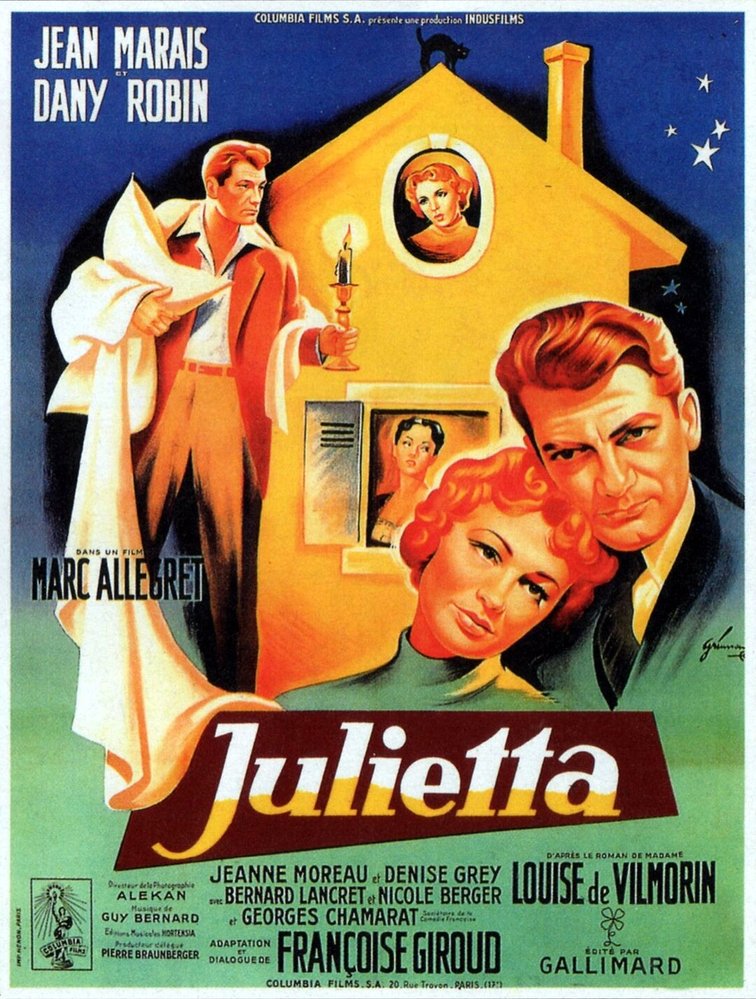 Julietta
Jeanne Moreau — Biography
Paris saw both the birth, on 23 January 1928, and the death, on 31 July 2017, of Jeanne Moreau, a French stage and screen actress, singer, screenwriter and director. Born in the 10th arrondissement of Paris to a French barman and a British dancer, she appeared in well over a hundred and thirty films during a career spanning more than half a century, and in the 1950s and 1960s she became one of the most recognisable faces of the French New Wave. Orson Welles, her friend and sometime collaborator, regarded her as the finest actress of her time.
Classically trained, Moreau studied at the Conservatoire national supérieur d'art dramatique and made her stage debut in 1947 at the Avignon Festival with the Comédie-Française, where she soon counted among the company's leading actresses before moving on to the Théâtre National Populaire. From 1949 she took minor film roles; the Fernandel vehicle Meurtres? (1950) and Touchez pas au grisbi (1954), opposite Jean Gabin, stood out among these early appearances.
Widespread fame came through two pictures directed by Louis Malle, Elevator to the Gallows (1958) and The Lovers (1958). The 1960s proved her most productive decade: her performance in Peter Brook's Seven Days... Seven Nights (1960) earned her the best actress award at Cannes, while Viva Maria! (1965) brought her the BAFTA for best foreign actress. Other landmark films of the period include Antonioni's La Notte (1961), Truffaut's Jules et Jim (1962), Welles's The Trial (1962), Buñuel's Diary of a Chambermaid (1964), plus Mademoiselle (1966) and The Bride Wore Black (1968).
Across her career she worked with directors such as Jacques Becker, Elia Kazan, Joseph Losey, Marguerite Duras, Agnès Varda, Jean Renoir and Jacques Demy. In later years she featured in Fassbinder's Querelle (1982), Luc Besson's Nikita (1990), Angelopoulos's The Suspended Step of the Stork (1991) and Beyond the Clouds (1995) by Antonioni and Wenders. Her role in The Old Lady Who Walked in the Sea won her the César for best actress in 1992, and she continued acting into her eighties, appearing for the last time in Manoel de Oliveira's Gebo and the Shadow (2012).
She also directed, beginning with Lumière in 1976 and followed by L'Adolescente in 1979, and she wrote screenplays and produced films. As a singer she performed chansons and recorded albums, among them Jeanne Moreau chante Bassiak (1967) and Les Chansons de Clarisse (1968).
Moreau presided over the Cannes jury twice, in 1975 and 1995. Her honours include an honorary Golden Lion at Venice in 1991, a BAFTA Fellowship in 1996, the European Film Academy's lifetime achievement award in 1997, an honorary Palme d'Or at Cannes in 2003, an honorary Golden Bear at Berlin in 2005 and honorary Césars in 1995 and 2008. An officer of the Légion d'honneur and a commander of the Order of Arts and Letters, in 2000 she became the first woman elected to the Académie des beaux-arts. She was married to Jean-Louis Richard and later to William Friedkin, and died in Paris on 31 July 2017 at the age of 89.
Reactions
You can pick up to 3 reactions.
Comments