

Profile
| Age | 81 |
|---|---|
| Birth date | June 28, 1945 |
| Birthplace | Eyüpsultan |
| Profession | Actor, Film director, Screenwriter |
| Zodiac sign | Cancer |
In the rankings


Filmography / Projects
-

-

-

-

- Suna
- Aşk Yeniden
-

- Ayın Yıldızı
- Aşk Beklemez
- Cemile
- Mürüvvetsiz Mürüvvet
-
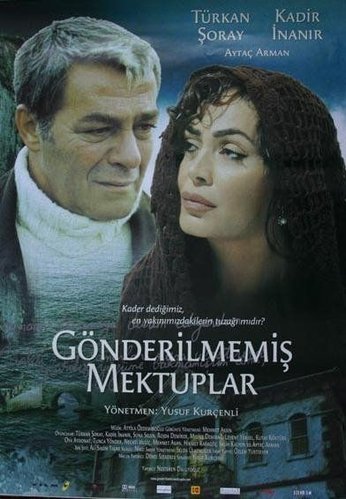
-
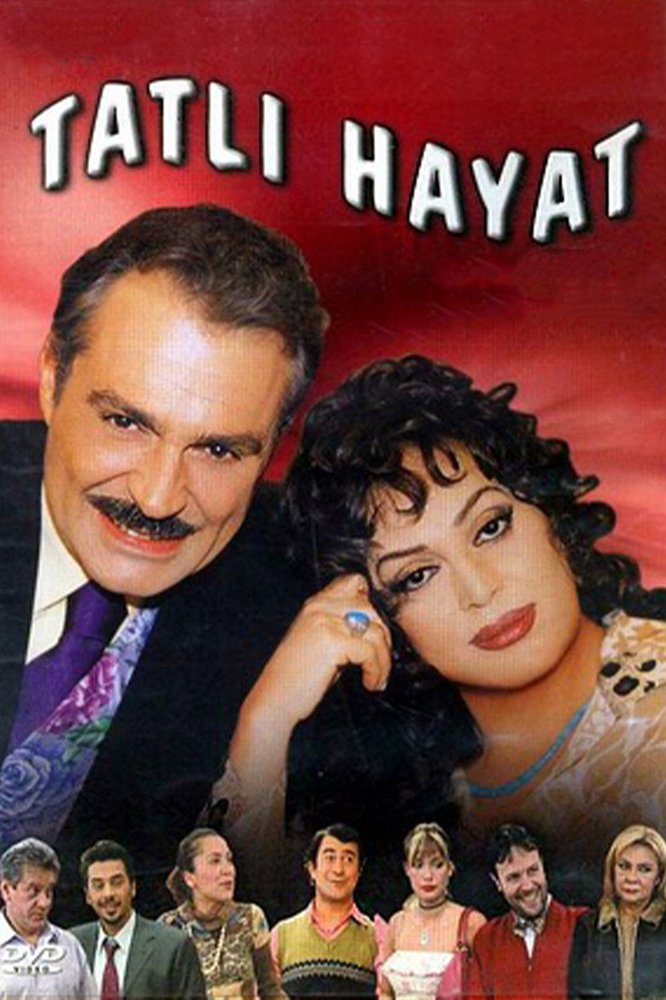
-
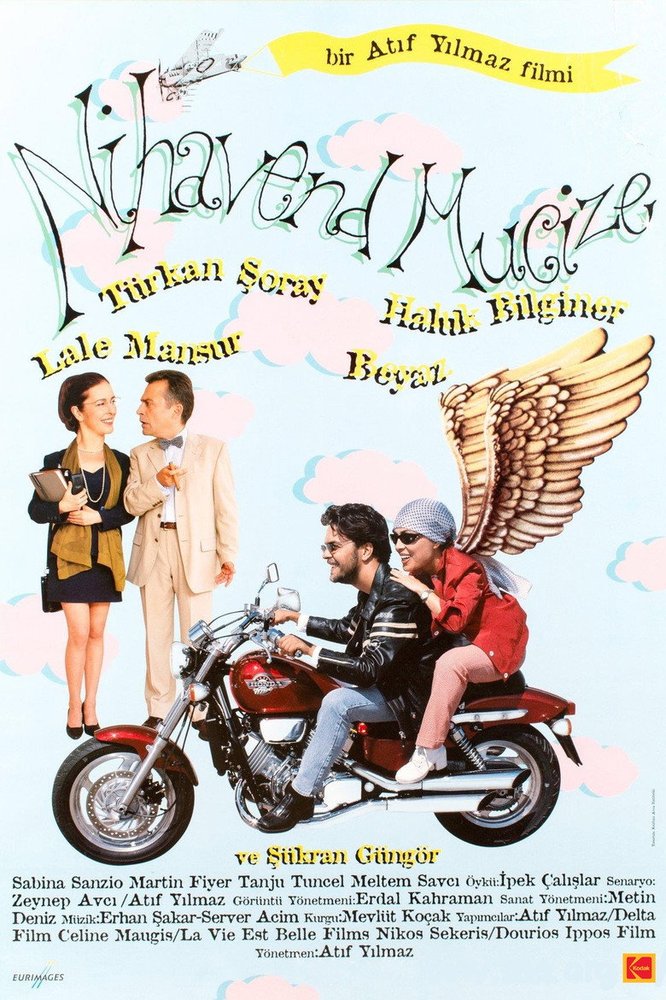
-
- The Last Night in Your Eyes (Gözlerinde Son Gece) (translated)
-

-

-
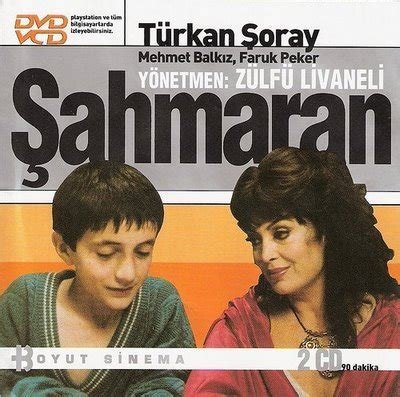
- Sweet Betüş (Tatlı Betüş) (translated)
- Menekşe Koyu
-

-
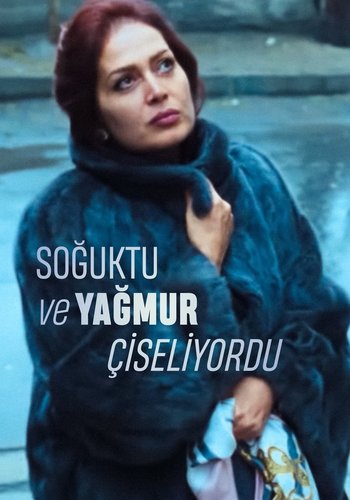
- Ölü Bir Deniz
-

-

-

- Gramofon Avrat
- Rumuz Goncagül
- Bir Kadın Bir Hayat
- Körebe
- Bir Sevgi İstiyorum
-

-

-
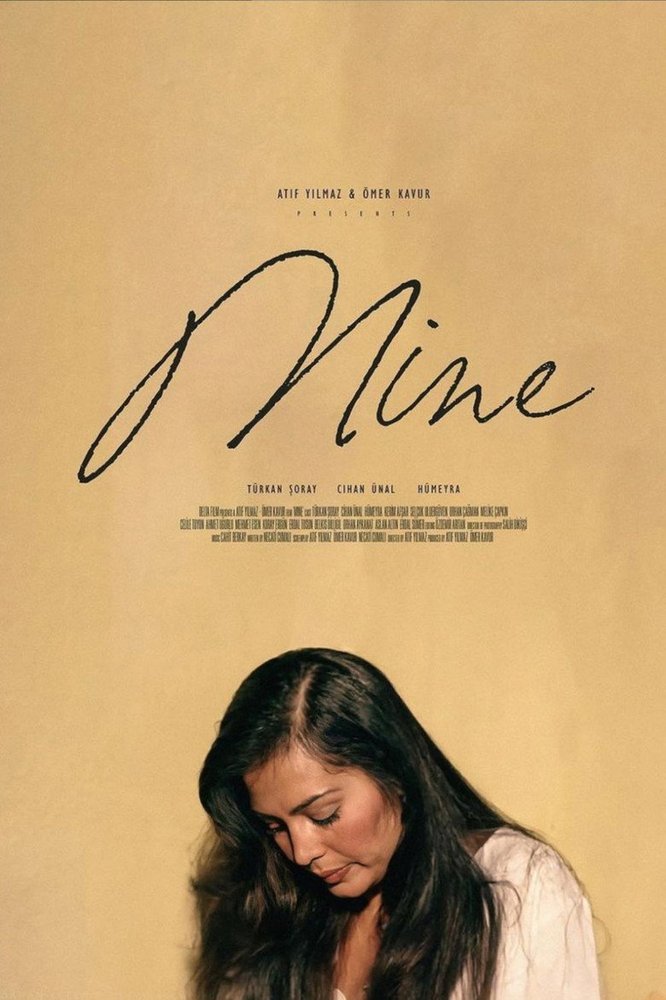
- Seni Kalbime Gömdüm
-
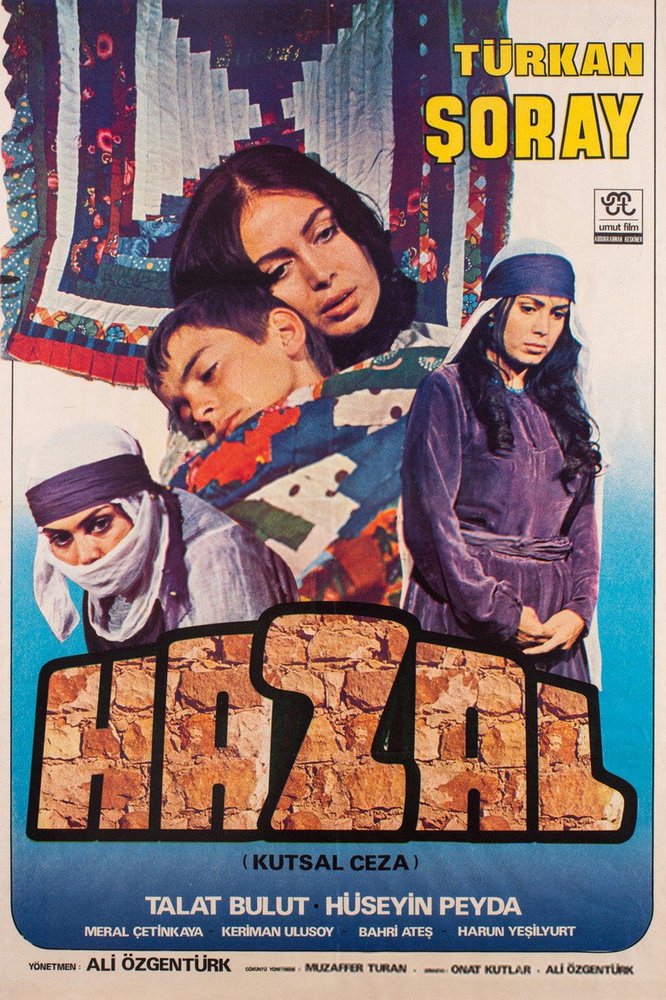
- Yılanı Öldürseler
-
-

-

- Sultan
- Tatlı Nigâr
-

-
-
- Earthquake (Deprem) (translated)
-

-

- İnce Memed Vuruldu
- Açlık
- Acele Koca Aranıyor
-

-
- Yüreğimde Yare Var
- Asiye Nasıl Kurtulur?
-
-
- Azap
- Yalancı
- Sultan Gelin
- Namus Borcu
- Gazi Kadın
- Mahpus
-

-

-
- Persecution (Zulüm) (translated)
- Vukuat Var
- Çile
- Sisli Hatıralar
- Sevmek ve Ölmek Zamanı
- Unutulan Kadın
- Bir Kadın Kayboldu
- Bir Genç Kızın Romanı
- Yedi Kocalı Hürmüz
- Gelin Çiçeği
- Mavi Eşarp
- Gülüm, Dalım, Çiçeğim
- Melek mi Şeytan mı?
- Ateş Parçası
-
-

- My Sweet Angel (Tatlı Meleğim) (translated)
-

-
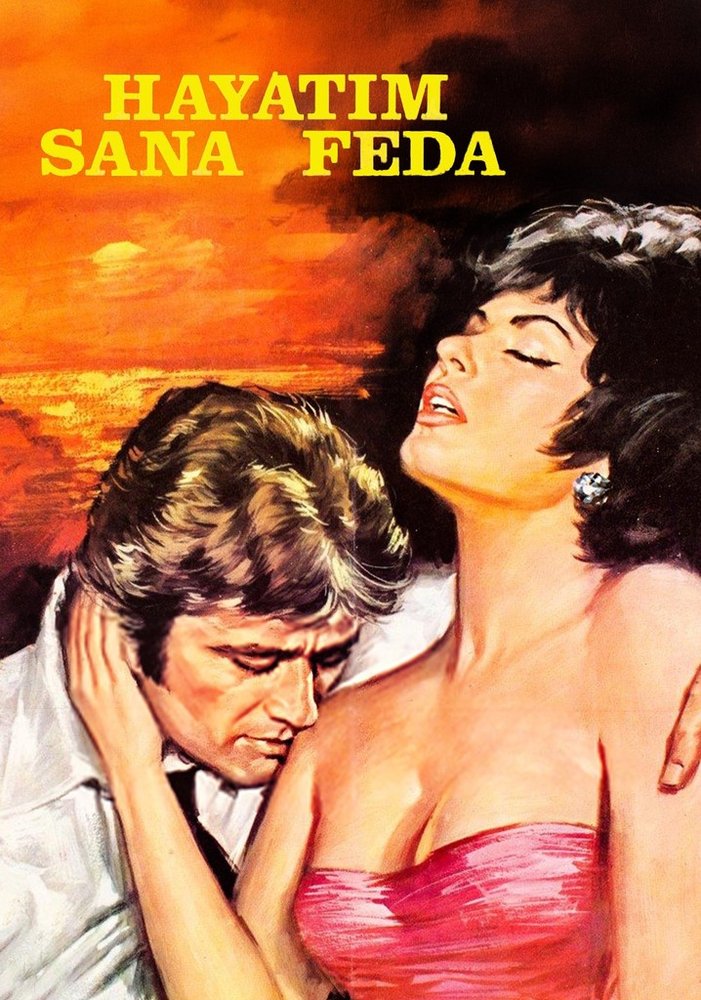
- Birleşen Yollar
- Ağlayan Melek
- Mağrur Kadın
- Bülbül Yuvası
- Buğulu Gözler
- Merhamet
- Mazi Kalbimde Yaradır
- I Want to Die with You (Seninle Ölmek İstiyorum) (translated)
-

-
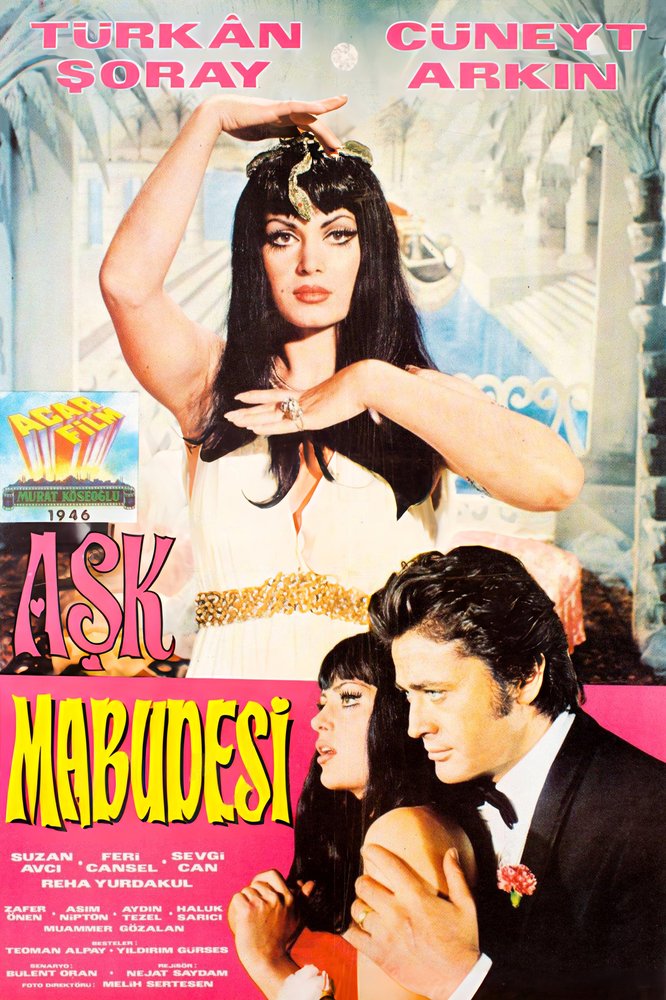
- Ateşli Çingene
- Kölen Olayım
- Sonbahar Rüzgarları
- Bana Derler Fosforlu
- Buruk Acı
- Günah Bende mi?
- Sana Dönmeyeceğim
-
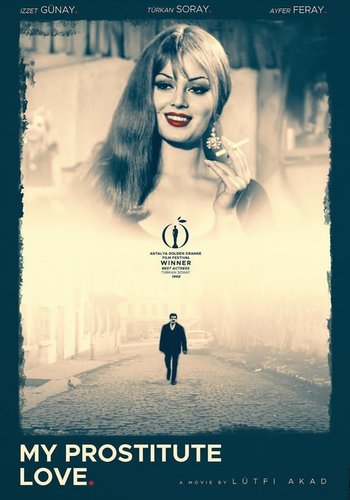
-
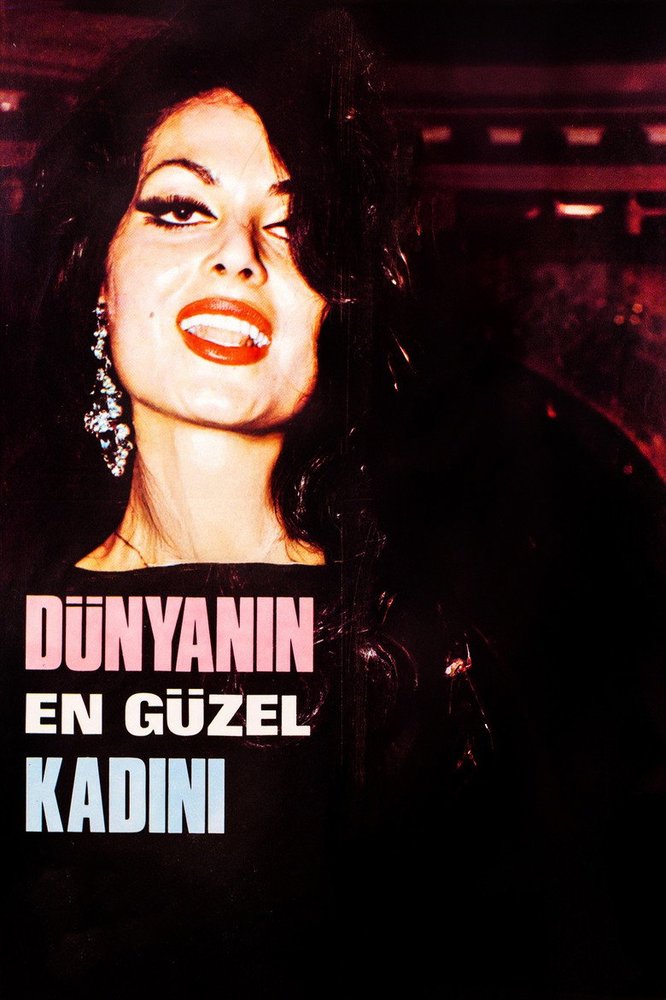
-
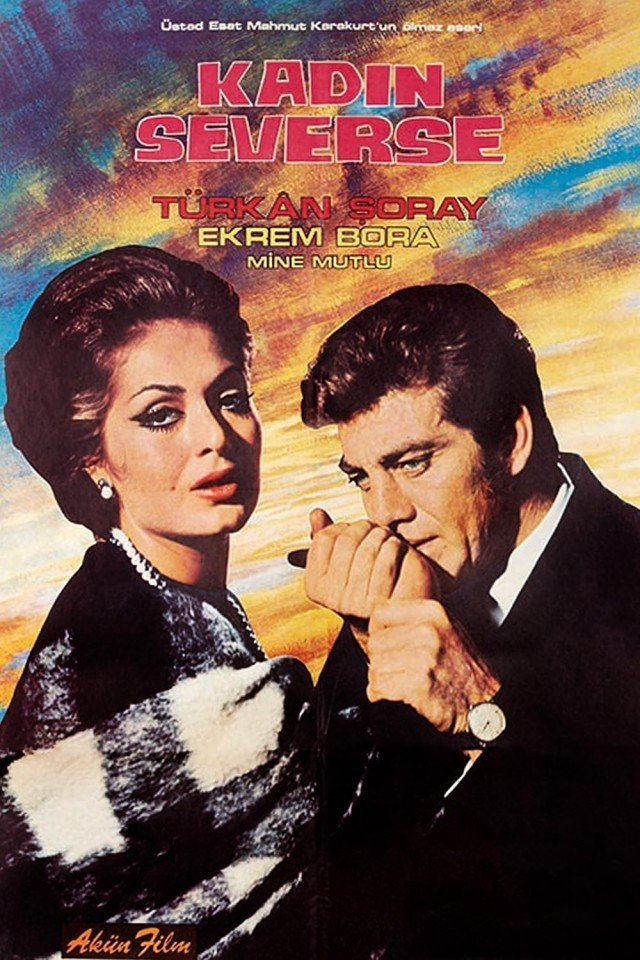
-
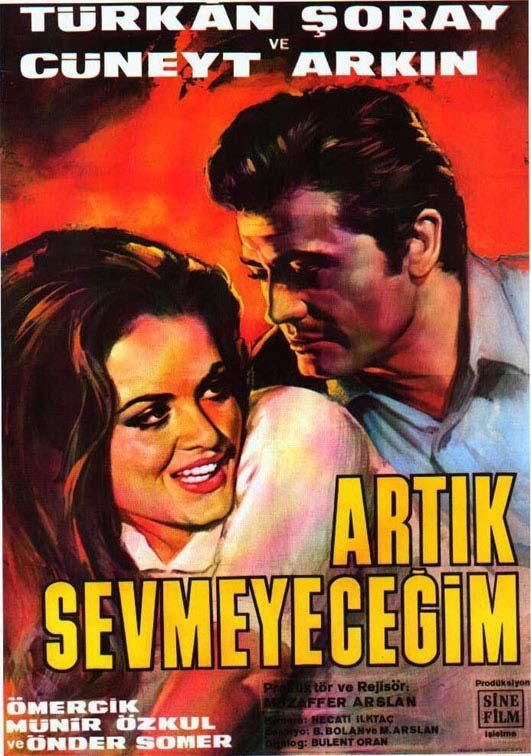
- Ağla Gözlerim
- Aşk Eski Bir Yalan
- Ayşem
- Kadın İntikamı
- Kahveci Güzeli
- Kadın Değil Baş Belası
- Abbase Sultan
-

- Ağlayan Kadın
- Her Zaman Kalbimdesin
- Ölümsüz Kadın
- Kelepçeli Melek
- Sinekli Bakkal
- Tapılacak Kadın
- Bir Dağ Masalı
- Ayrılsak da Beraberiz
- Kara Duvaklı Gelin
-

- El Kızı
- Meyhanenin Gülü
- Hayatımın Kadını
- Meleklerin İntikamı
- Çamaşırcı Güzeli
- Siyah Gül
- Kenarın Dilberi
- Düğün Gecesi
- Karanfilli Kadın
- Çalıkuşu
- Altın Küpeler
- Anaların Günahı
- Evening Sun (Akşam Güneşi) (translated)
- Eli Maşalı
- The Bread Seller Woman (Ekmekçi Kadın)
- Seven Kadın Unutmaz
- Siyah Gözler
- Vahşi Gelin
- Komşunun Tavuğu
- Sana Layık Değilim
- Veda Busesi
- Elveda Sevgilim
- Garip Bir izdivaç
- Sürtük
-

- Bombshell Girl (Bomba Gibi Kız) (translated)
-
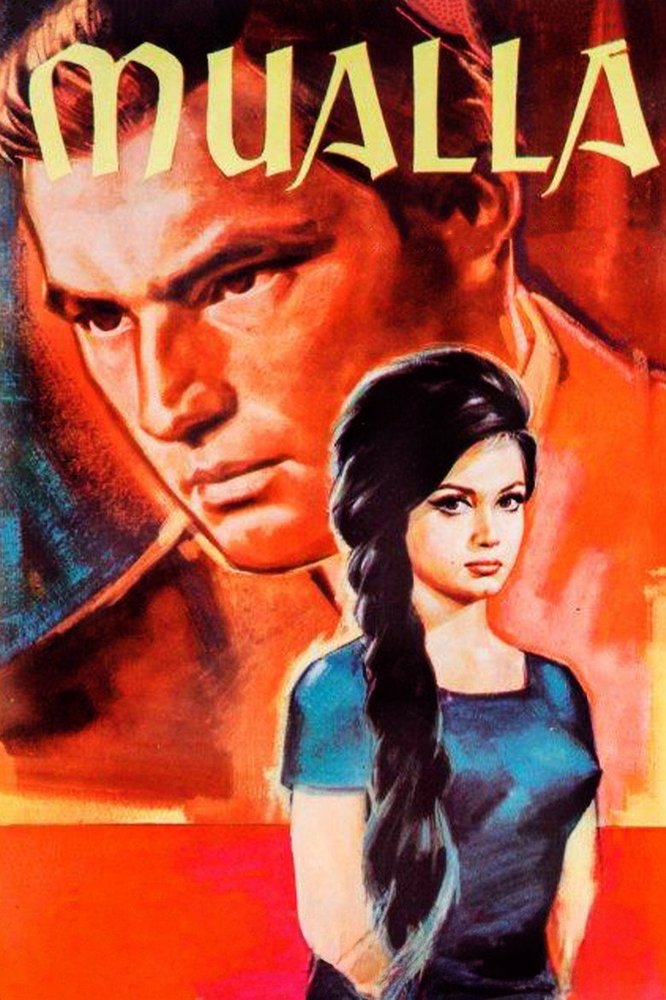
- Yılların Ardından
- Öksüz Kız
- Bücür
- Macera Kadını
- Kızgın Delikanlı
- Gençlik Rüzgarı
- Dağlar Aslanı Ali Efe
- Anasının Kuzusu
- Adanalı Tayfur Kardeşler
- Fıstık Gibi Maşallah
- Kader Kapıyı Çaldı
- Genç Kızlar
- Küçük Beyin Kısmeti
- Dağlar Kralı
- Bütün Suçumuz Sevmek
- Acı Aşk
- Badem Şekeri
- Beni Osman Öldürdü
- İki Kocalı Kadın
- Sayın Bayan
- Çalınan Aşk
- Ayşecik Canımın İçi
- Çapkın Kız
-

- Allah Seviniz Dedi
- Lekeli Kadın
- Ümitler Kırılınca
- Bardaktaki Adam
- Kırmızı Karanfiller
- Dikmen Yıldızı
- Biz de Arkadaş mıyız?
- Bir Haydut Sevdim
- Billur Köşk
- Aşk Yarışı
- Ne Şeker Şey
- Zorlu Damat
- The Genial Bandit (Sevimli Haydut)
-

- The Angels Are My Witnesses (Melekler Şahidimdir) (translated)
-

- Utanmaz Adam
- Kaderin Önüne Geçilmez
- Kardeş Uğruna
- Hatırla Sevgilim
- Gönülden Gönüle
- Dikenli Gül
- Aşk ve Yumruk
- Afacan
-

- Wind of Love (Aşk Rüzgarı) (translated)
- Güzeller Resmi Geçidi


Türkan Şoray — Biography
Türkan Şoray is the star of Yeşilçam known as the "Sultan" of Turkish cinema, credited with some 222 films, the most of any actress worldwide. She is one of the four actresses, with Fatma Girik, Hülya Koçyiğit and Filiz Akın, who symbolize the golden age of Turkish film, and the only one of them who also moved behind the camera. Away from film these days, she took part in July 2026 in a joint exhibition of her works with Yalçın Gökçebağ.
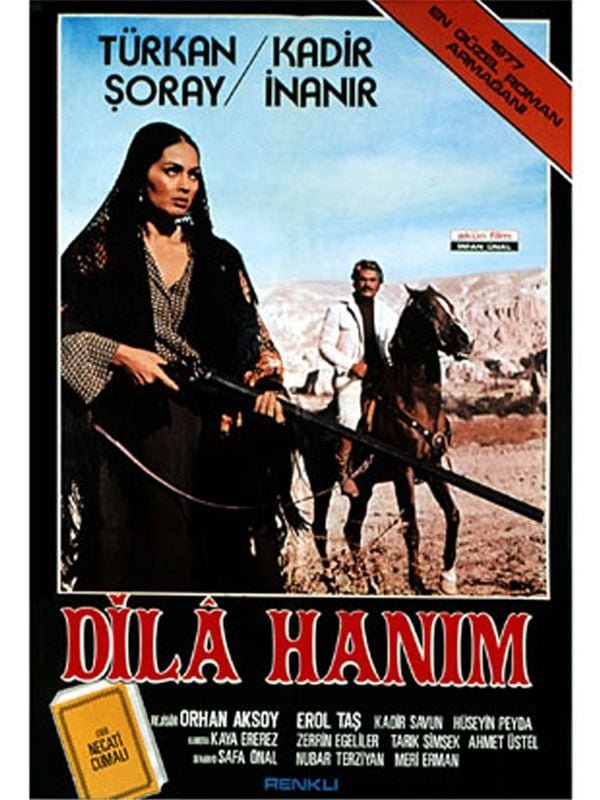
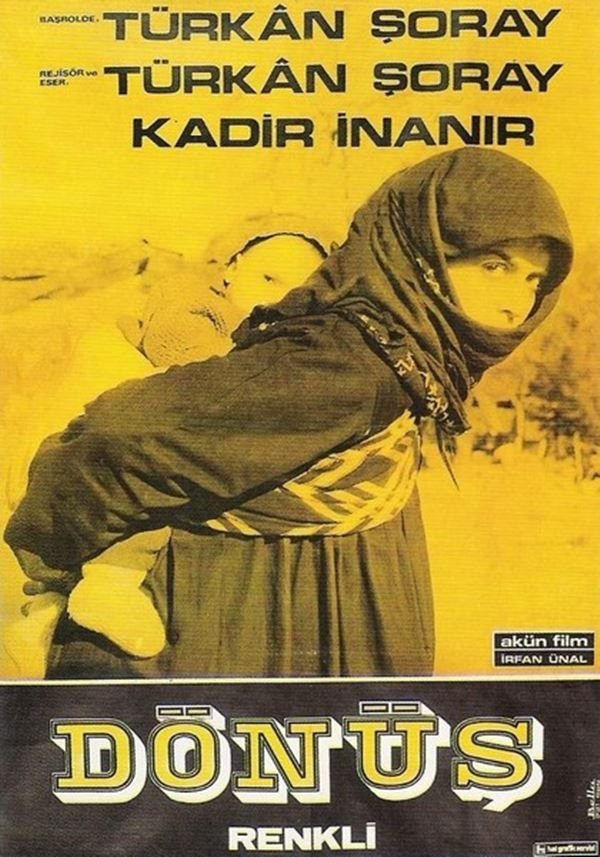
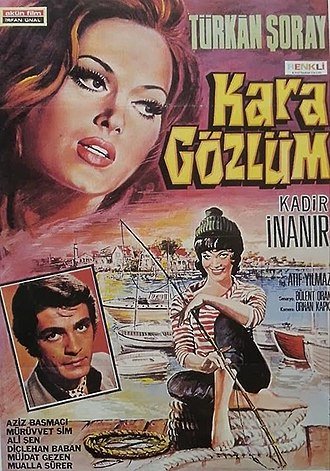
Her career began in 1960 with Köyde Bir Kız Sevdim; she had come to a film set with her friend Emel Yıldız, and Türker İnanoğlu encouraged her to try the screen. Metin Erksan's Acı Hayat (1962) brought her the first of her Golden Oranges and Vesikalı Yarim (1968) the second; over the years she was named best actress four times. Her on-screen partnership with Kadir İnanır lives on through Kara Gözlüm, Selvi Boylum Al Yazmalım, Dila Hanım and Cevriyem. She turned to directing with Dönüş (1972), directing Azap, Bodrum Hakimi and Uzaklarda Arama alone and Yılanı Öldürseler with Şerif Gören. From the 1990s she concentrated on television: İkinci Bahar paired her with Şener Şen and Tatlı Hayat with Haluk Bilginer.
She was named a State Artist in 1991 and a UNICEF goodwill ambassador for Turkey in 2010, and around then she presented Sinema Benim Aşkım on NTV, talking through her film career with guests. In June 2018 she said she was quitting acting because no good scripts were coming her way. A primary school bears her name.
Reactions
You can pick up to 3 reactions.
Comments