Ana

Mother (Ana)

Movie · 1967 · 3 people

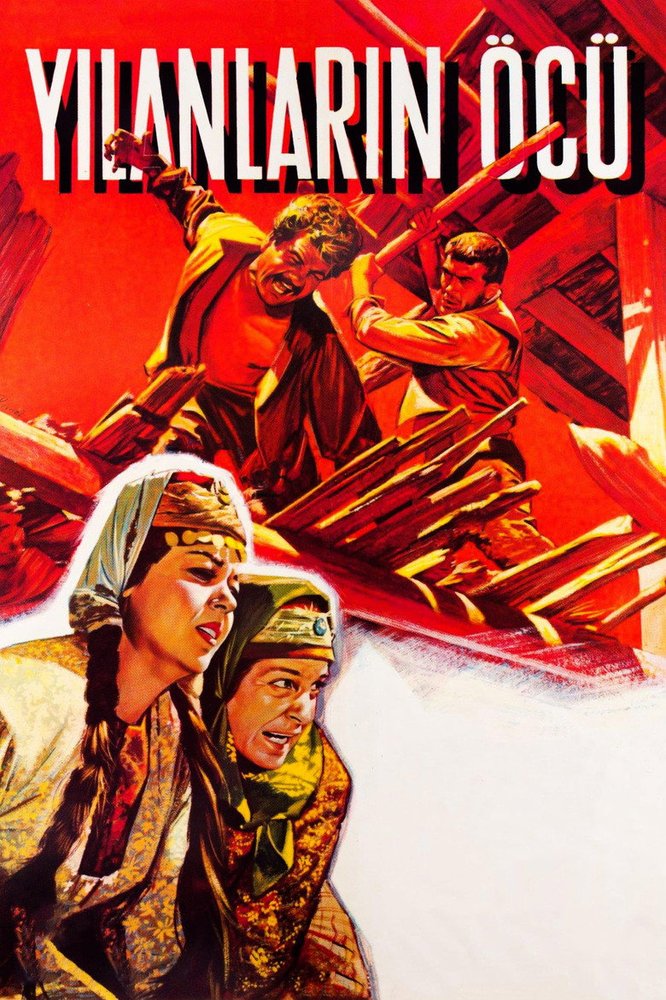
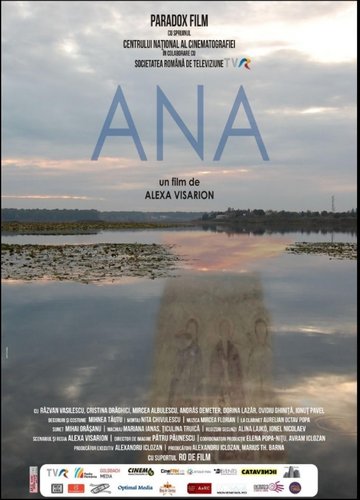
In 1967 Ömer Lütfi Akad directed and wrote Ana (Mother), a black-and-white Turkish drama. Running 91 minutes, it tells of the blood feud, a wound that never closes in rural Anatolia. Counted among the important examples of social-realist Turkish cinema, it is seen as a forerunner of the Anatolian Trilogy that Akad would make in later years. Nami Dilbaz produced it for Şahin Film.

The story begins after Şevket, who wandered from village to village fleeing a blood feud, fails to escape his enemies and is shot dead. The whole burden of the family falls on his wife Döndü, who must contend with poverty and a feud that never ends. Türkân Şoray plays Döndü; Erol Taş and Kadir Savun are among the principal actors, and the cast also lists Yılmaz Duru, Selahattin İçsel, Gonca Alyanak and Osman Alyanak. One reviewer recalls it as one of the films in which Şoray first showed her true acting power, and finds Akad's direction and the performances of Taş and Savun well worth watching.

Money troubles are said to have kept Akad from putting the film in his mind fully on screen. Cengiz Tacer shot it, and the music was prepared by Orhan Gencebay and Abdullah Nail Bayşu; Gencebay also plays saz in the film.

DirectorÖmer Lütfi Akad
Production companyŞahin Film

Reactions

You can pick up to 3 reactions.
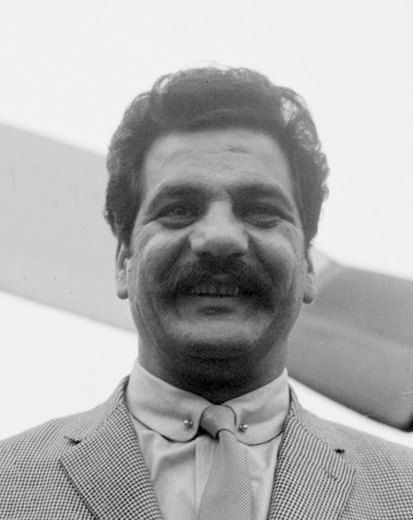
Cast

Through different eyes

History & Society Lens Asks about the period, the social background and what the work reflects.

Ana tells of the blood feud without romanticising it, through the devastation it leaves behind. Döndü, who shoulders the whole burden after her husband Şevket is killed, is a powerful figure showing how a woman in rural Anatolia is left alone with both poverty and an endless cycle of violence. The film is counted among the key examples of social-realist Turkish cinema and is seen as a forerunner of Akad's later Anatolian Trilogy; in that sense it is a valuable document for understanding how the cinema of the period looked at the village, the land and custom. Orhan Gencebay's saz wraps the film in a local texture.

Cinephile Looks at script, editing and directing choices; keeps a distance from formula films.

Ömer Lütfi Akad's Ana deserves to be read as a forerunner of the master's later major work. Cengiz Tacer's black-and-white camera renders the village world with an unadorned simplicity, and Akad's choice to treat the blood feud in a realist register rather than as melodrama was bold for its time. Türkân Şoray's Döndü is remembered as one of the roles in which she first showed her true power as an actor, and Erol Taş and Kadir Savun are strong too. Yet money troubles are said to have kept Akad from bringing the film he had in mind fully to the screen, and a sense of something missing in some transitions makes sense in that light. Flaws and all, it is an important stop for anyone curious about how Turkish cinema developed.

Family Viewer Asks whether the whole household can watch it; cares about humour and heart.

This one is heavy for family viewing. A blood feud, death, poverty and a fear that never ends: it's not for small children. You can watch it with high-school-age kids, as long as you talk it over afterwards. For the older generation, Türkân Şoray's strong role and Orhan Gencebay's saz carry a special meaning. Not a film for a cheerful evening, but one to choose when you want to think.

These are not reader reviews: they are short editorial takes written from different viewer perspectives with AI assistance. Reader reviews are below.

Reviews (0)

Log in Log in to write a review.

Comments