Fosforlu Cevriyem

Phosphorescent Cevriye (Fosforlu Cevriyem) (translated)

Movie · 1969 · 4 people

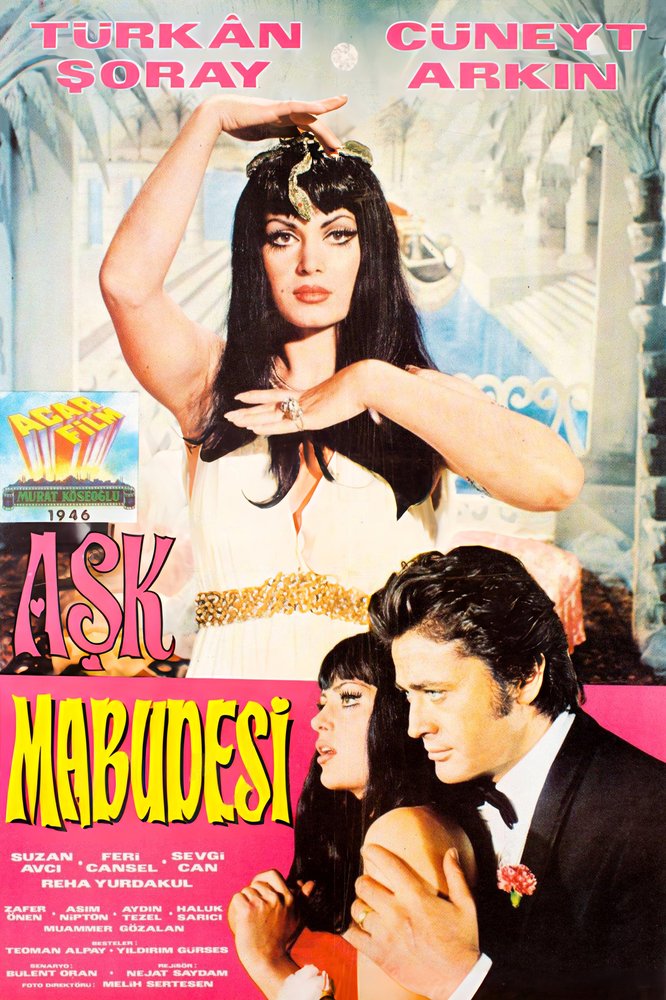
Türkân Şoray stars in Fosforlu Cevriyem (Phosphorescent Cevriye), a 1969 Turkish romantic drama remembered as one of the best-loved films of Yeşilçam. Nejat Saydam directed. Bülent Oran wrote the screenplay, adapted from a work by Suat Derviş. Shot in colour on 35 mm, it runs 85 minutes; Murat Köseoğlu produced, and Acar Film handled production, film preparation and dubbing.

Türkân Şoray plays the title character, Fosforlu Cevriye Necla. Tanju Gürsu is Kıtipiyoz Çetin, Suzan Avcı is Müveyre, Önder Somer is Memduh and Fatma Karanfil is Perihan. Altan Günbay and Süheyl Eğriboz both play Camgöz, Semih Sezerli plays İshak, Mümtaz Ener and Mümtaz Alpaslan both play Nurettin, Muammer Gözalan is Tevfik, Mesude Eker is Kadriye and Aydın Tezel is the police commissioner. Danyal Topatan, Nermin Özses, Oktay Yavuz, Ahmet Karaca, Ahmet Şenses and Rıdvan Varol complete the cast.

Melih Sertesen was director of photography. The music is credited to Tuncer Aydınoğlu, Semih Sezerli and Metin Bükey, with songs by Belkıs Özener and Recep Birgit and a composition credit for Zeki Duygulu. As was common, several leads were dubbed: Jeyan Mahfi Tözüm voices Türkân Şoray, Sadettin Erbil voices Tanju Gürsu, Altan Karındaş voices Suzan Avcı and Birsen Kaplangı voices Fatma Karanfil.

DirectorNejat Saydam
Production companyAcar Film

Reactions

You can pick up to 3 reactions.

Cast

Through different eyes

Yeşilçam Nostalgic A viewer raised on the classics, looking for warm storytelling and strong acting.

A film in which Türkân Şoray plays the character who gives it its title, and one remembered among Yeşilçam's best-loved films. Being Bülent Oran's adaptation of a work by Suat Derviş, it recalls the good days when literature and cinema worked hand in hand. Even character names like Kıtipiyoz Çetin and Camgöz seem to carry the street talk of the era. In the songs, the voices of Belkıs Özener and Recep Birgit give the film a flavour of its own. Şoray being dubbed by Jeyan Mahfi Tözüm was standard practice in those years; it may seem odd today, but to an ear raised on Yeşilçam those voices are part of the film too.

History & Society Lens Asks about the period, the social background and what the work reflects.

Adapted from a work by Suat Derviş, the film brought a literary source to the broad Yeşilçam audience at the end of the sixties. The characters' nicknames, Kıtipiyoz Çetin, Camgöz, Fosforlu Cevriye, call to mind the everyday speech of people living on the city's margins and invite you to read the film as a document of the class landscape of its time. The dubbing practice is a period record in itself: even the lead's voice belonged not to Türkân Şoray but to Jeyan Mahfi Tözüm, a sign of the era's assembly-line production. Whether Yeşilçam's sentimental storytelling conventions softened the edge of such a literary source remains an open question.

Cinephile Looks at script, editing and directing choices; keeps a distance from formula films.

Directed by Nejat Saydam, the film is a typical example of Yeşilçam's colour, 35 mm melodramas: a tight 85 minutes, a crowded supporting cast and a story backed by songs. Melih Sertesen's cinematography and Bülent Oran's experience as an adapter are elements that could lift it above the period average. But the real driving force is Türkân Şoray's screen presence; the film rises on the character who gives it its name. To today's eyes the biggest obstacle is the dubbing practice: with face and voice belonging to different people, it is hard to judge a performance as a whole. The period's melodrama conventions are also likely to feel predictable in places.

These are not reader reviews: they are short editorial takes written from different viewer perspectives with AI assistance. Reader reviews are below.

Reviews (0)

Log in Log in to write a review.

Comments