We Cannot Come Together (Bir Araya Gelemeyiz)

We Cannot Come Together (Bir Araya Gelemeyiz) (translated)

Movie · 1975 · 17 people

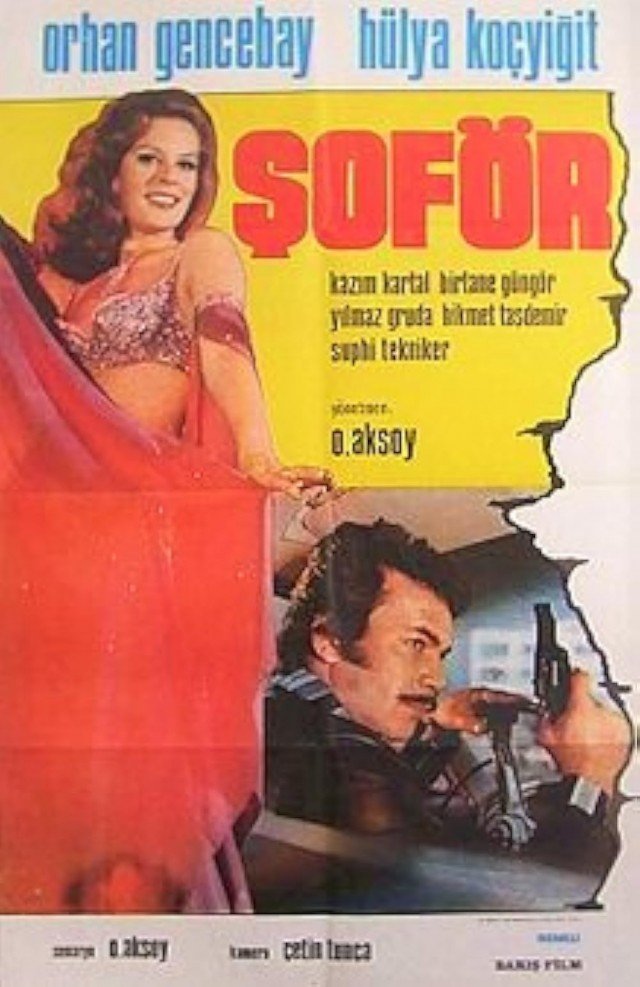
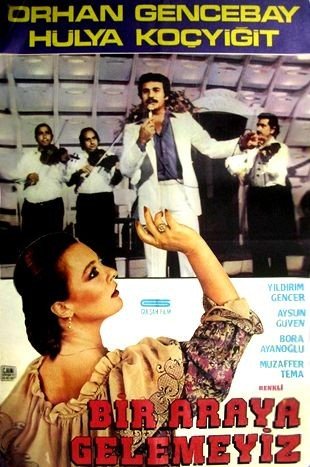
The 1975 Turkish film Bir Araya Gelemeyiz has been described as an emotional musical. Orhan Aksoy directed it and wrote the screenplay with Suphi Tekniker. Made by Gülşah Film, the colour picture runs about ninety minutes; Selim Soydan produced it and Çetin Tunca was the cinematographer. Orhan Gencebay and Hülya Koçyiğit share the leading roles.

The story takes shape around the unrequited love of Orhan, a man from Samsun. He lands in prison after taking revenge on those who ruined his brother's life. From behind bars he sends his own compositions to Füsun (Hülya Koçyiğit), his sweetheart from childhood. She becomes a famous singer through these songs but never learns who wrote them. Released under an amnesty, Orhan goes back to Samsun and carries on the boat-building trade he inherited from his father. A business errand takes him to the Istanbul district where Füsun lives, where he runs into old prison friends and ends up in the middle of a dangerous incident that involves Füsun too. Love, separation, friendship, the nightclub world and abduction run through the story.

Aysun Güven, Bora Ayanoğlu, Yıldırım Gencer, Hikmet Taşdemir, Ayşen Gruda, Leman Akçatepe, İsmet Erten and Osman Alyanak also appear; Akçatepe plays Orhan's mother and Gencer plays the character Çakal Behçet. Yeni Stüdyo handled preparation and dubbing.

DirectorOrhan Aksoy
Production companyGülşah Film

Reactions

You can pick up to 3 reactions.

Cast

Also in the cast: Hikmet Taşdemir

Through different eyes

Yeşilçam Nostalgic A viewer raised on the classics, looking for warm storytelling and strong acting.

In Orhan Gencebay films the songs are not decoration but the heart of the story, and here that becomes the plot itself: compositions sent from prison turn the woman he loves into a famous singer, and she never knows who wrote them. Unrequited love, an anonymous composer, loving from afar: that dignified sorrow is the most precious thing about the emotional musicals of the seventies. Even the title gives away the tone from the start. A sincere period film for anyone willing to forgive the excesses of the nightclub scenes.

History & Society Lens Asks about the period, the social background and what the work reflects.

The film builds the distance between the provinces and the big city through two trades: Orhan is a craftsman carrying on his father's boat-building business in Samsun, while Füsun is a singer rising in Istanbul's nightclub world. They may share the same songs, but the social and geographical gap between them reads like an unnamed class divide. A hero who goes to prison after taking revenge on those who ruined his brother's life repeats a figure common in the cinema of the time: the man who seeks justice with his own hands. By today's standards the glorification of that figure deserves questioning; the film seems to present it as a matter of honour without weighing its cost.

Family Viewer Asks whether the whole household can watch it; cares about humour and heart.

An emotional musical whose songs the older members of the family may well enjoy. But the story includes revenge, prison, an abduction and a wounding, and those parts may not suit small children. The nightclub setting is also a world you would need to explain to kids. Fine with teenagers and adults; for the little ones, better to wait for another evening.

These are not reader reviews: they are short editorial takes written from different viewer perspectives with AI assistance. Reader reviews are below.

Reviews (0)

Log in Log in to write a review.

Comments