Davaro

Davaro

Movie · 1981 · 5 people

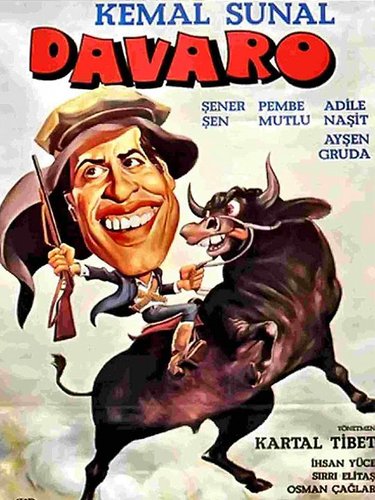
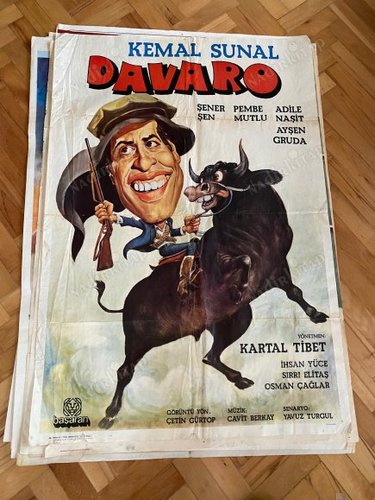
Blood feud and the code of honour meet absurdist humour in Davaro, a Turkish comedy released in 1981. Kartal Tibet directed this 95-minute colour film, produced by Yalçın Başaran and Ertem Eğilmez for Başaran Film and Arzu Film. With Kemal Sunal and Şener Şen in the leading roles, it is remembered as the final picture in which the two actors appeared together.

The story is set in a village where the Davaro and Hıyarto families have feuded for two hundred years. Memo (Kemal Sunal), a longtime worker in Germany, returns with the bride price to marry Cano (Pembe Mutlu). Just as the wedding is under way, Sülo (Şener Şen), the man who killed his father, walks out of prison, and tradition expects vengeance from Memo. Unwilling to kill, he joins a game Sülo proposes, but the plan misfires and the pair end up among mountain outlaws and then in Istanbul. Ayşen Gruda, İhsan Yüce and Adile Naşit also appear.

The screenplay was written jointly by Yavuz Turgul, İhsan Yüce and Kartal Tibet. Çetin Gürtop was the cinematographer, and the music was prepared by Cahit Berkay and Vahdet Vural. Built on buried treasure, faked deaths and a spoon game, the story sets village life beside urban touches such as the tavern and lahmacun.

DirectorKartal Tibet
Production companyBaşaran Film, Arzu Film
Davaro Davaro

Reactions

You can pick up to 3 reactions.

Cast

Through different eyes

Yeşilçam Nostalgic A viewer raised on the classics, looking for warm storytelling and strong acting.

Being the last film Kemal Sunal and Şener Şen made together lends Davaro a particular poignancy. The screenplay by Yavuz Turgul, İhsan Yüce and Kartal Tibet manages to lighten a subject as heavy as a blood feud with absurdist humour. Memo's simple goodness, his reluctance to kill, shows what I love most in Sunal: an innocence that gets laughs without turning crude. Seeing Adile Naşit on screen is a joy in itself. Cahit Berkay and Vahdet Vural's music rounds off that warmth.

History & Society Lens Asks about the period, the social background and what the work reflects.

Davaro questions a two-hundred-year blood feud and the code of honour by making us laugh. Memo returning to his village with the bride price after many years as a worker in Germany places the migration reality of the period right inside the story. Tradition expecting vengeance from him while he has no heart for it sits squarely in the conflict between custom and individual conscience. The road from the village to the mountains and on to Istanbul sets urban details such as the tavern and lahmacun beside village life. The humour may at times take serious matters too lightly, but the film succeeds in conveying the dead end of the blood feud in its own language.

Family Viewer Asks whether the whole household can watch it; cares about humour and heart.

Davaro is one of Kemal Sunal's well-loved comedies, and it is good for a laugh with the grandparents. But its subject is a blood feud, so there is an expectation of revenge, mountain outlaws and faked deaths. All of this is played for comedy, yet small children may ask why someone is expected to be killed. Be aware there are tavern scenes too. It is best watched with children of middle-school age, with a little chat along the way.

These are not reader reviews: they are short editorial takes written from different viewer perspectives with AI assistance. Reader reviews are below.

Reviews (0)

Log in Log in to write a review.

Comments