Trees Die Standing (Ağaçlar Ayakta Ölür)

Trees Die Standing (Ağaçlar Ayakta Ölür) (translated)

Movie · 1964 · 15 people

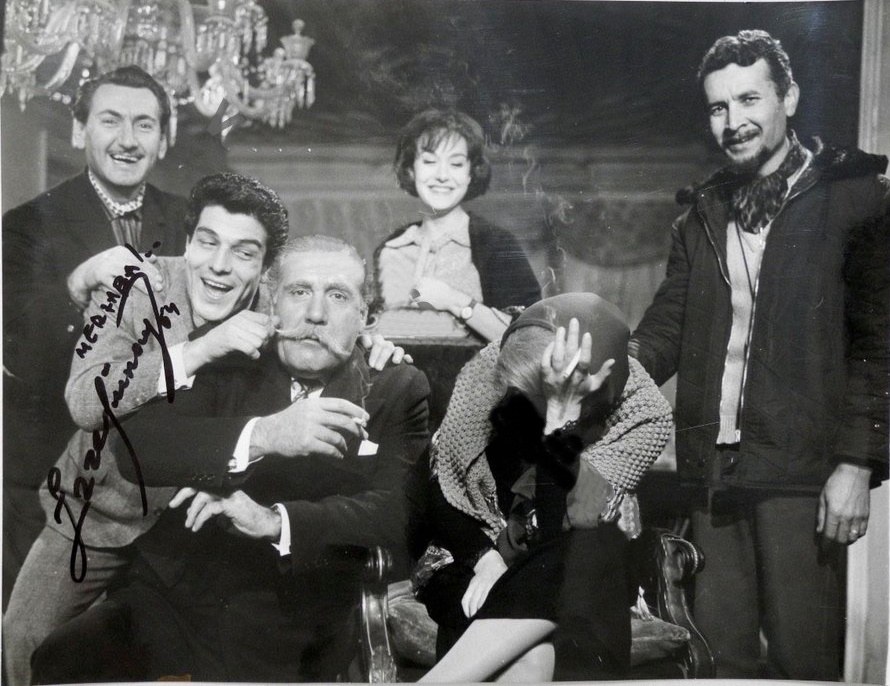
Memduh Ün directed the black-and-white Turkish drama Ağaçlar Ayakta Ölür ("Trees Die Standing") in 1964. It adapts the Spanish playwright Alejandro Casona's 1949 play Los árboles mueren de pie and follows a kindly lie that keeps growing. Yıldız Kenter, Hulusi Kentmen, İzzet Günay and Semra Sar star. At the 1964 Golden Orange Film Festival the film won Best Actor for İzzet Günay and Best Supporting Actress for Yıldız Kenter.

The story unfolds in the 1960s in an old waterside mansion at Salacak in Istanbul, facing the Maiden's Tower. The grandmother, played by Yıldız Kenter, withdrew into herself after her grandson left home years earlier. Her husband Asım starts writing letters in the boy's name to bring her back to life, and the invention runs for years. When a telegram announces that the grandson is finally coming, the household is thrown into turmoil: someone must take his place, along with a young woman to play his wife. İzzet and Semra take on the roles of Orhan and Ayşe, and they grow genuinely attached to the old woman.

Atıf Yılmaz, Memduh Ün and Safa Önal wrote the screenplay. And Film and Uğur Film produced it, with Gani Turanlı as cinematographer and Fecri Ebcioğlu composing, running about 99 minutes.

DirectorMemduh Ün
Production companyAnd Film, Uğur Film
Trees Die Standing (Ağaçlar Ayakta Ölür)

Reactions

You can pick up to 3 reactions.

Cast
Through different eyes

Yeşilçam Nostalgic A viewer raised on the classics, looking for warm storytelling and strong acting.

Ağaçlar Ayakta Ölür shows Yeşilçam at its most graceful. The kindly lie built to keep a grandmother attached to life is a game born of love rather than malice, and the film asks us to join in without judging. Yıldız Kenter's grandmother, honoured at the Golden Orange festival, places the fragility of a withdrawn woman at the film's centre. The old waterside mansion at Salacak, facing the Maiden's Tower, feels like a memory of an Istanbul now very far away. Pretend roles turning into a real bond capture, at its finest, the warm moral centre of our old films.

Family Viewer Asks whether the whole household can watch it; cares about humour and heart.

One of those films three generations can watch together. At its heart are a grandmother and a sweet lie told to make her happy; it's a gentle, heartwarming family story. Being black-and-white and adapted from a stage play, it may feel static to young children. But it gives you a nice chance to talk with kids about lies, love and family ties.

Cinephile Looks at script, editing and directing choices; keeps a distance from formula films.

Adapted from Alejandro Casona's play, the film makes no secret of its stage origins: the story is built inside an old waterside mansion, through the characters' conversations. That structure produces a telling that leans on acting more than on film language and is at times theatrical, which is the most debatable side of the film. On the other hand, the screenplay by Atıf Yılmaz, Memduh Ün and Safa Önal settles a foreign play convincingly on the Salacak shore. The idea of characters performing a second fiction inside the fiction sets it apart from the ordinary melodramas of its day. Its two acting awards confirm that the production's real strength lies in its cast.

These are not reader reviews: they are short editorial takes written from different viewer perspectives with AI assistance. Reader reviews are below.

Reviews (0)

Log in Log in to write a review.

Comments