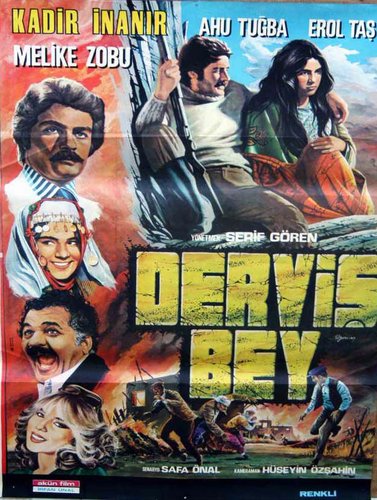
Dervish Bey (Derviş Bey)

Dervish Bey (Derviş Bey) (translated)

Movie · 1978 · 15 people

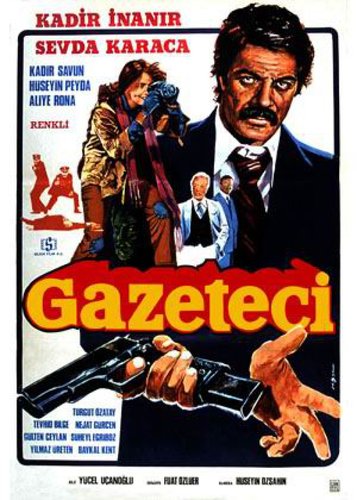
Şerif Gören directed Derviş Bey, a Turkish film shot in 1978 and released in cinemas on 1 March 1979. Safa Önal wrote the screenplay. It is filed under romance, adventure and drama and runs about 90 minutes. İrfan Ünal produced it for Akün Film, with music by Cahit Berkay and cinematography by Hüseyin Özşahin.

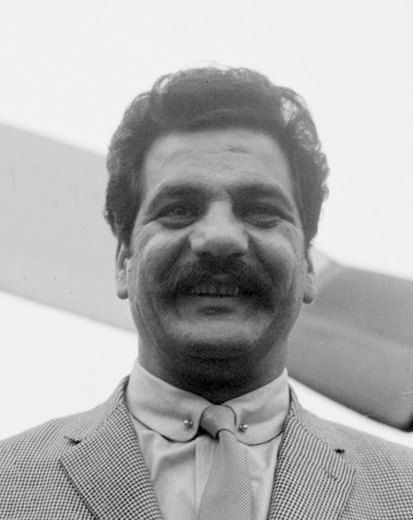
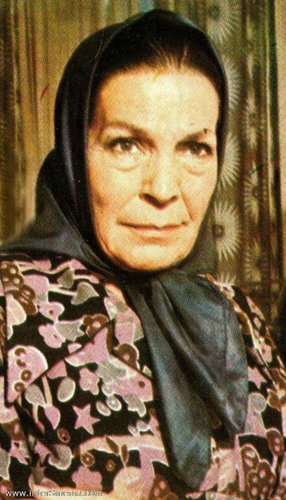
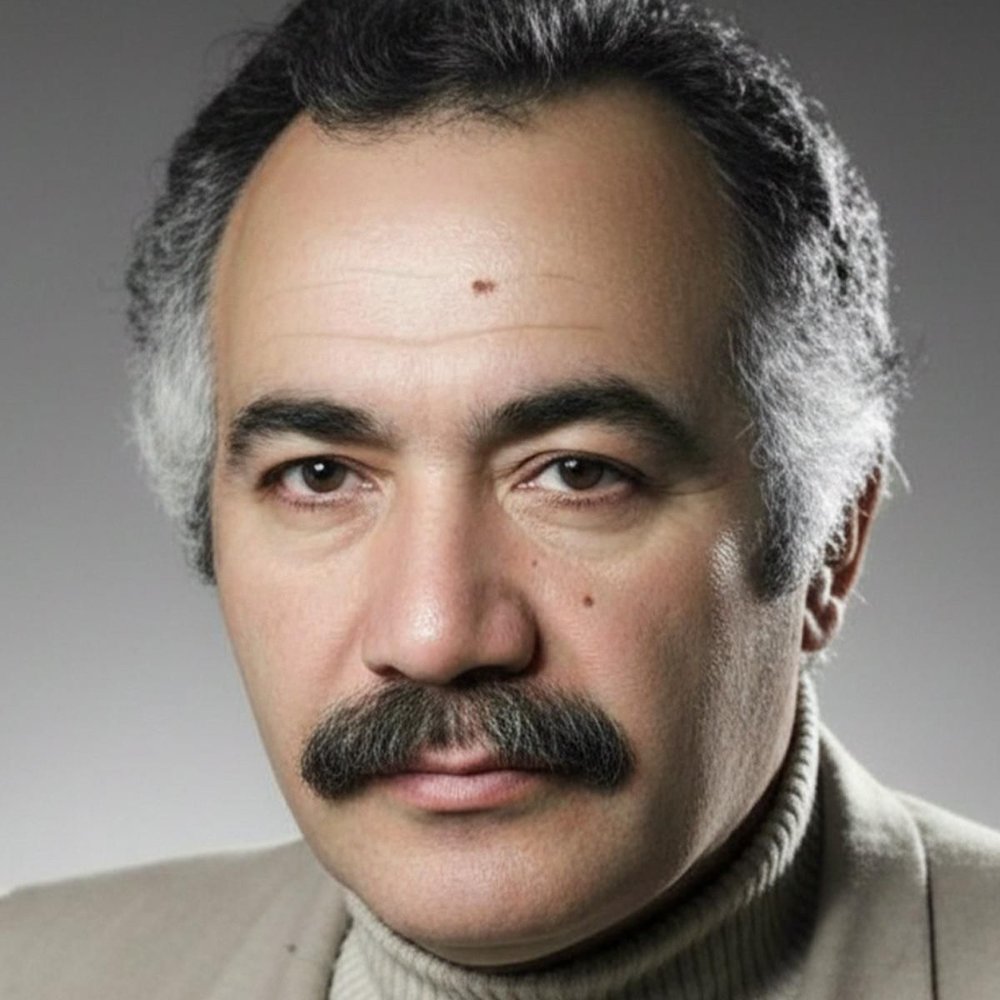
The story unfolds in a village under the shadow of a blood feud. The village agha sends his son Derviş away to the city to keep him out of the vendetta. When the agha dies, Derviş goes home to end the quarrel and bring peace, but the hoped-for reconciliation never arrives. Kadir İnanır plays Derviş Bey and Melike Zobu plays Karaca. Erol Taş is Karahanlı Şehmuz Bey and Reha Yurdakul is Ciritoğlu İbrahim Bey; Hüseyin Peyda appears as the steward, Aliye Rona as İbrahim Bey's sister and Ahu Tuğba as Sevda. The cast also includes Hakkı Kıvanç (Bekir), İlhan Hemşeri (the prosecutor), Tanju Şarman (the doctor) and Alpay İzer (a gendarmerie captain).

Voice work and colour processing were done at Yeni Stüdyo. Cüneyt Türel voiced Kadir İnanır, Kamran Usluer voiced Erol Taş, Aliye Uzunatağan voiced Melike Zobu and Füsun Kokucu voiced Ahu Tuğba. The English title is Dervish Bey.

DirectorŞerif Gören
Production companyAkün Film

Reactions

You can pick up to 3 reactions.

Cast
Through different eyes

Yeşilçam Nostalgic A viewer raised on the classics, looking for warm storytelling and strong acting.

One of the loveliest details in its credits recalls a Yeşilçam tradition that is fading from memory: Kadir İnanır is voiced by Cüneyt Türel and Erol Taş by Kamran Usluer. In the films of those years the voice mattered as much as the face, and these masters carried the unseen half of the performance. With Cahit Berkay's music and Safa Önal's script, the film treats village, custom and homecoming with the seriousness of its era. The story of a man returning to his village to bring peace is a solid example of Yeşilçam dramas with a strong moral compass.

Action & Thriller Fan Puts pace, tension and set pieces first; little patience for slow drama.

A village in the shadow of a blood feud and a man trying to bring peace: the stakes are clear from the start, and that's where the tension comes from. Having Erol Taş's Şehmuz Bey on the other side promises a tough confrontation. But the film pitches itself as romantic drama and adventure more than action. Anyone expecting a fiery showdown movie should be ready for the weight of the emotional scenes.

History & Society Lens Asks about the period, the social background and what the work reflects.

The film treats the blood feud not as individual rage but as an institution that shapes every relationship in a village. The agha sending his son to the city to keep him out of the vendetta reflects how, in 1970s Turkey, the city was seen both as an escape route and as a different world of values. That Derviş, sent away to the city, finds no answer to his peace efforts shows that custom and individual will are not equally matched. A prosecutor and a gendarmerie captain in the cast suggest that the tension between state law and village tradition has its place in the story too.

These are not reader reviews: they are short editorial takes written from different viewer perspectives with AI assistance. Reader reviews are below.

Reviews (0)

Log in Log in to write a review.

Comments