İklimler

Climates (İklimler)

Movie · 2006 · 5 people

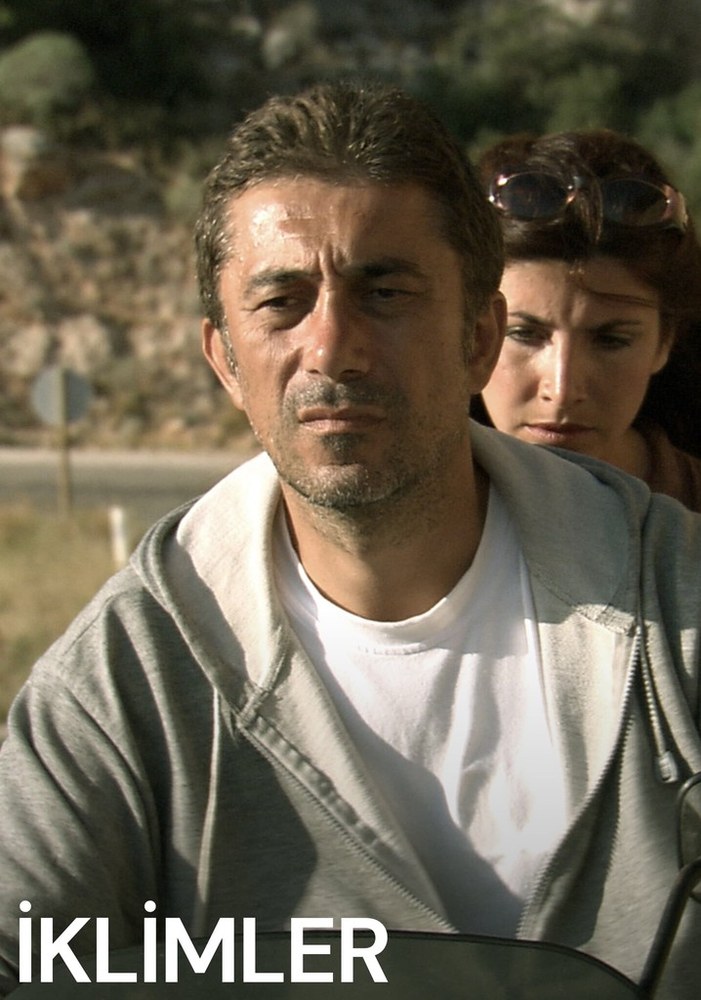
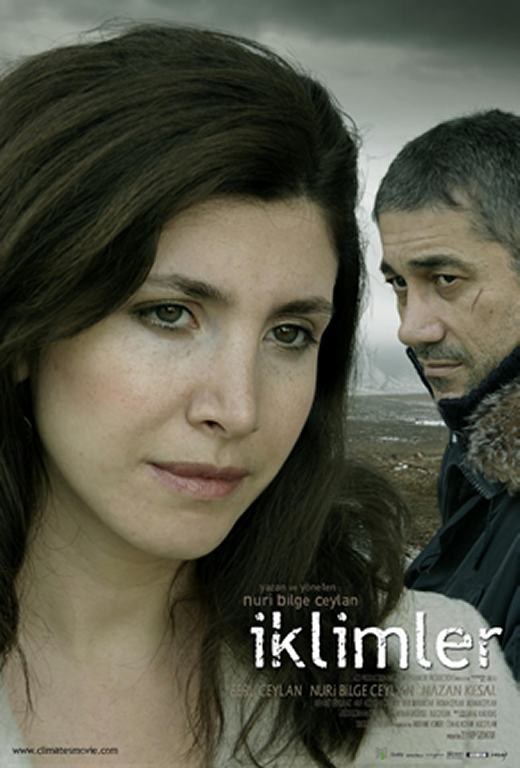
Nuri Bilge Ceylan wrote, produced and directed Climates (original title İklimler), a 2006 relationship drama in which he also plays the male lead. A Turkish-French co-production, it first screened on 21 May 2006 in the main competition of the 59th Cannes Film Festival, where it won the FIPRESCI prize, and opened in Turkey on 20 October 2006. Following Ceylan's Cannes Grand Jury Prize for Uzak, it was his first feature shot on high-definition video, and its title comes from André Maurois's novel Climats.

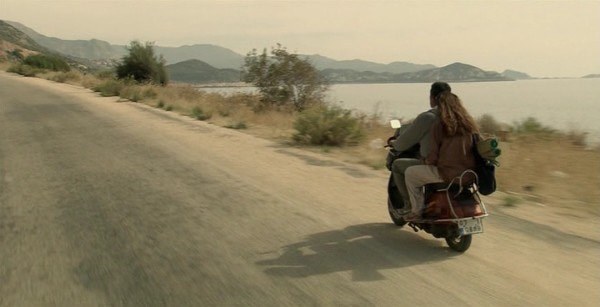
The story follows the cooling relationship between İsa, an architect, and Bahar, who works in television. Built on the idea that souls have their own climates just as regions do, the film places the couple first under the dazzling summer sun of Kaş and later in snow-covered Ağrı, so that the changing seasons mirror two people closing off from each other. It relies on gestures, glances and small details in long, quiet shots. Ceylan plays İsa and his real-life wife Ebru Ceylan plays Bahar, with Nazan Kesal, Arif Aşçı and Ufuk Bayraktar in the cast.

CO Production and Pyramide Productions were among the producing companies. Besides Cannes, the film collected awards at festivals in Antalya, Istanbul and Chicago.

DirectorNuri Bilge Ceylan
Production companyCO Production
Climates (İklimler) Climates (İklimler) Climates (İklimler)

Reactions

You can pick up to 3 reactions.

Cast

Through different eyes

Cinephile Looks at script, editing and directing choices; keeps a distance from formula films.

Climates is Nuri Bilge Ceylan's first feature shot on high-definition video, and that choice shapes its texture: the contrast between the dazzling summer light of Kaş and the snow of Ağrı works as an outward projection of two inner lives. The film leans on gestures, glances and long, quiet takes rather than dialogue; the editing is deliberately unhurried and silence is almost a character. Casting himself and his wife Ebru Ceylan in the leads pulls the acting away from anything theatrical towards something fragile. This is cinema that asks for patience and will not speak to everyone, but its formal consistency makes the FIPRESCI prize at Cannes easy to understand. Turning to a relationship drama after Uzak was a bold move.

History & Society Lens Asks about the period, the social background and what the work reflects.

Climates follows the drifting apart of İsa, an architect, and Bahar, who works in television. The film looks not at large social events but at the silence inside an urban relationship, and that silence is an observation in its own right. Moving between the summer air of Kaş and the snowy remoteness of Ağrı, the couple also make visible the distance between the country's western coast and its eastern provinces. The idea that souls, like regions, have their own climates invites us to read the personal and the geographical in one frame. Built around people who cannot express themselves, it offers a measured, attentive look at loneliness within modern relationships.

Family Viewer Asks whether the whole household can watch it; cares about humour and heart.

Climates is not a film to watch with children. It is about a couple drifting apart, told in long, quiet scenes. Little ones will be bored, and teenagers probably won't have the patience. Even grandparents may find its slow pace tiring. The views of Kaş and Ağrı are beautiful, but the story is not a cheerful one. A relationship drama for adults, best watched closely on a calm evening.

These are not reader reviews: they are short editorial takes written from different viewer perspectives with AI assistance. Reader reviews are below.

Reviews (0)

Log in Log in to write a review.

Comments