King of Doormen (Kapıcılar Kralı)

King of Doormen (Kapıcılar Kralı) (translated)

Movie · 1976 · 15 people

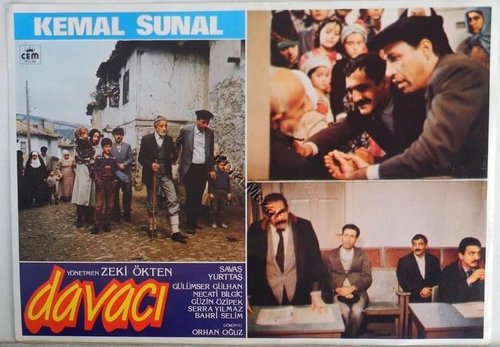
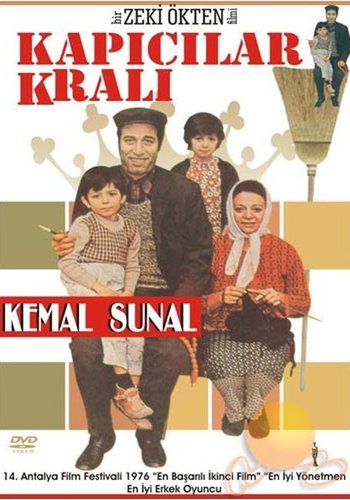
Zeki Ökten's 1976 Yeşilçam comedy Kapıcılar Kralı ("King of the Doormen") has a screenplay by Umur Bugay. Kemal Sunal stars, and Çiçek Film produced it. It is the third collaboration between Ökten and Sunal after Hanzo and Şaşkın Damat, both made in 1975. It is counted among the most memorable films of Sunal's career and ranks 36th in the publicly voted "100 Yıl 100 Film" list published by the Ministry of Culture and Tourism in 2014.

The story is set as migration from Anatolia to Istanbul accelerates. Seyit has come to the city with his wife and two children hoping for a better life and works as the doorman of a large apartment building, while his wife cleans houses. Ordinary-looking, he knows everything that goes on in the building and gets by with clever moves. The building and its residents are a mirror held to the Turkey of its day, and the film deals with socio-economic dead ends and political subtexts. Sevda Ferdağ, Bilge Zobu, Şevket Altuğ, Sevil Üstekin and Can Kolukısa appear alongside Sunal.

The film won Best Director and Best Actor at the 14th Golden Orange Film Festival and came second for Best Film after Kara Çarşaflı Gelin, making Sunal the first actor to win that award for a comedy.

DirectorZeki Ökten
Production companyÇiçek Film

Reactions

You can pick up to 3 reactions.

Cast

Through different eyes

Yeşilçam Nostalgic A viewer raised on the classics, looking for warm storytelling and strong acting.

Kapıcılar Kralı is a fine answer to anyone who does not take comic actors seriously: Kemal Sunal became the first actor to win Best Actor at the Golden Orange for a comedy. In his work with Zeki Ökten, Sunal's innocent-looking but shrewd characters joined Yeşilçam's best-loved heroes, and Seyit the doorman is a key member of that family. The film has the old-fashioned craft of making you laugh while touching the heart. Its place on the publicly voted 100 Yıl 100 Film list is a sign that this affection has lasted across generations.

History & Society Lens Asks about the period, the social background and what the work reflects.

Kapıcılar Kralı tells the years of accelerating migration from Anatolia to Istanbul from inside a large apartment building, and the choice is apt: the building is a small model of the city's class order. The distance between the residents and the doorman's family sums up the migrant's relationship with the city. Seyit knowing everything that happens in the building is the story of someone who looks powerless turning information into power. His wife cleaning other people's homes shows where women's labour sits in the migrant family. The political subtext is strong, and, I think, leaving Seyit's cunning morally open invites the audience both to laugh with him and to question him.

Family Viewer Asks whether the whole household can watch it; cares about humour and heart.

One of Kemal Sunal's best-known films, a comedy that can make grown-ups and kids laugh at the same time. Still, it is worth a word with the children: Seyit's clever moves and cunning are presented as endearing, but that is not always the right way to go. The political references will fly over younger heads; they will mostly laugh at Seyit's antics.

These are not reader reviews: they are short editorial takes written from different viewer perspectives with AI assistance. Reader reviews are below.

Reviews (0)

Log in Log in to write a review.

Comments