Il Marchese del Grillo

Il Marchese del Grillo

Movie · 1981 · 15 people

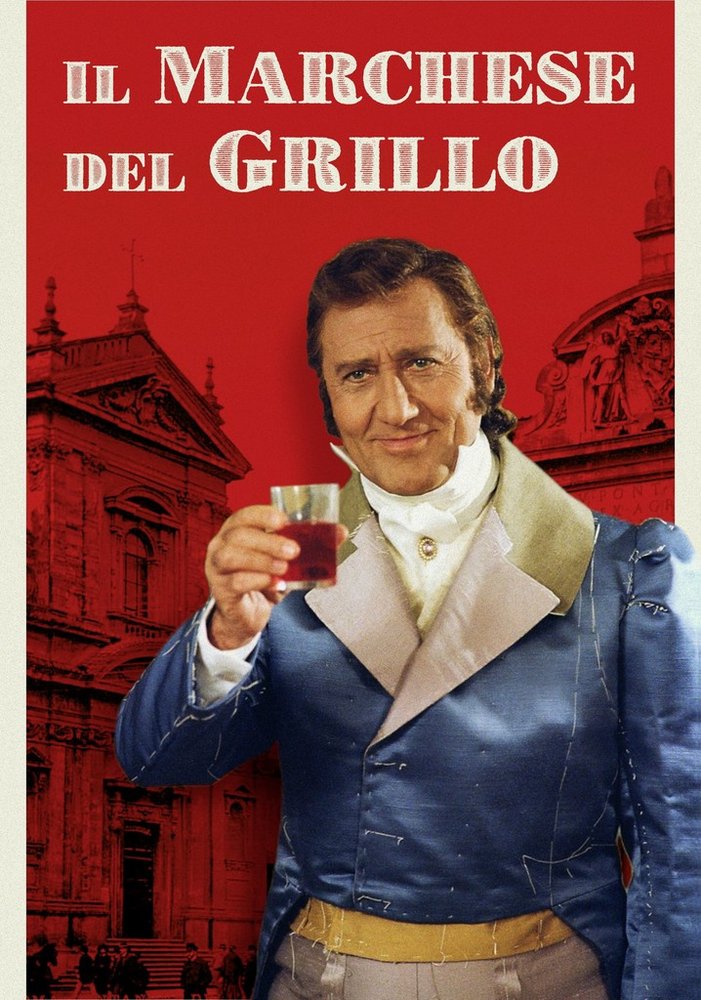
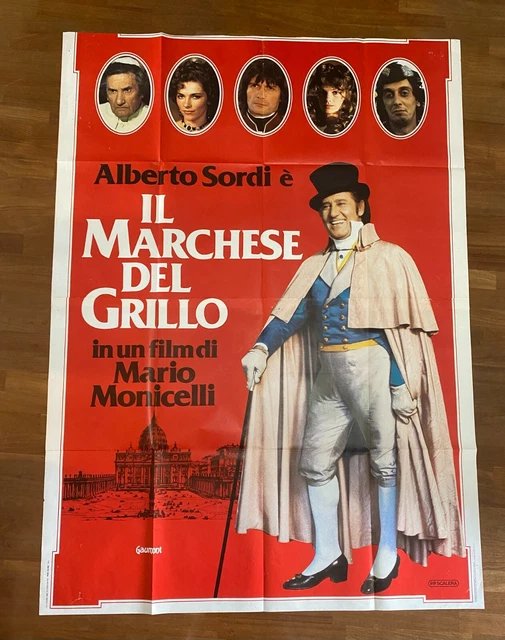
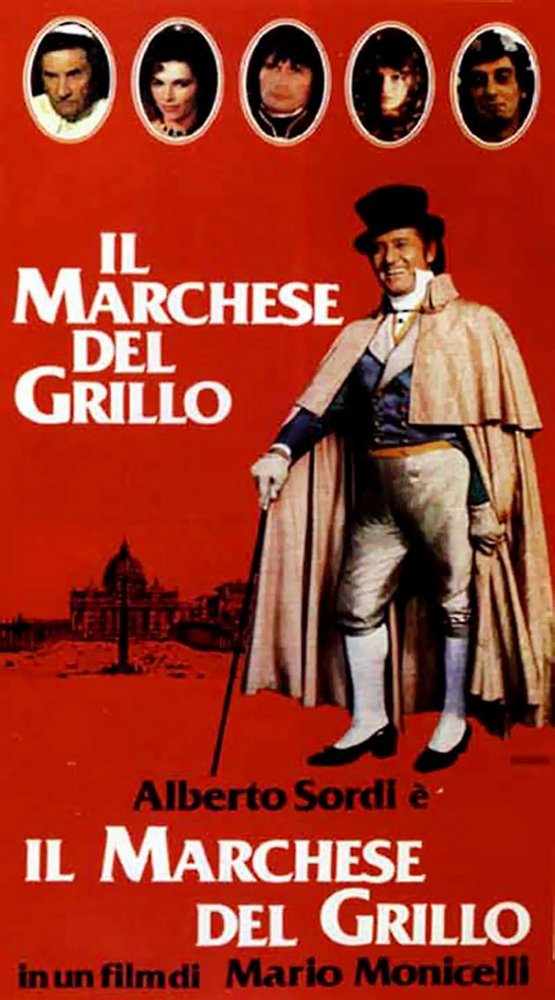
Mario Monicelli directed Il Marchese del Grillo, a 1981 Italian historical comedy. A co-production between Italy and France running roughly 135 minutes, it follows a nobleman living in Rome, with Alberto Sordi playing the title character. Released abroad as "The Marquis of Grillo", it blends costume drama with satire.

The story unfolds in the early nineteenth century, in the Rome of Pope Pius VII. At its centre is Onofrio del Grillo, a prank-loving aristocrat whose character is drawn from folk tales told about the real Onofrio del Grillo, a man of the eighteenth century. His jokes eventually stretch to the point where even the Pope is drawn in. Alongside Sordi, the cast includes Paolo Stoppa, Flavio Bucci, Leopoldo Trieste, Marina Confalone, Marc Porel, Camillo Milli, Riccardo Billi and Pietro Tordi.

The screenplay is the joint work of Leonardo Benvenuti, Piero De Bernardi and Monicelli. The film played in the competition of the 32nd Berlin International Film Festival, and in 1982 Monicelli took the Silver Bear for Best Director. It also won two David di Donatello awards, for production design and for costumes. Its best-remembered line, Io sò io, e voi non siete un cazzo ("I am who I am, and you are nobody"), is borrowed from an 1831 sonnet by Belli.

DirectorMario Monicelli
Il Marchese del Grillo Il Marchese del Grillo Il Marchese del Grillo

Reactions

You can pick up to 3 reactions.

Cast

Only cast members with a profile on this site are listed.

Alberto Sordi Alberto Sordi Film actor · died at 82 Sal Borgese Sal Borgese Actor · 89 years old Paolo Stoppa Caroline Berg Riccardo Billi Flavio Bucci Camillo Milli Cochi Ponzoni Marc Porel Pietro Tordi Leopoldo Trieste Giorgio Gobbi Isabelle Linnartz Tommaso Bianco Marina Confalone
Through different eyes

Yeşilçam Nostalgic A viewer raised on the classics, looking for warm storytelling and strong acting.

For anyone who misses the wise, mischievous warmth of the old Italian comedies, this is a good place to look. Set in the Rome of Pope Pius VII, it follows the pranks of a fun-loving aristocrat while mocking the arrogance of the nobility, and the fact that the character grew out of folk tales gives it the air of a fable. An eye used to Yeşilçam's rich-versus-poor stories will find the same concern here in a far more sardonic register. That sarcasm can turn cruel, though, and viewers who want a warm moral centre may not always laugh along with the hero.

Cinephile Looks at script, editing and directing choices; keeps a distance from formula films.

Monicelli's Silver Bear for Best Director in Berlin is no accident: this is one of the rare films that marries the heavy visual weight of a costume picture to the quick rhythm of satire. The production design and costumes that won David di Donatello awards are not decoration but part of the storytelling; the more lavishly the grandeur of the nobility is built up, the sharper the pranks that puncture it. The script, written with Benvenuti and De Bernardi, moves from prank to prank. That is also its weak point: over roughly 135 minutes the pattern, in my view, starts to repeat itself, and the narrative struggles to become more than a wait for the next trick. Tighter editing would have made it far keener.

History & Society Lens Asks about the period, the social background and what the work reflects.

The film's best-remembered line, "I am who I am, and you are nobody", sums up its whole subject: a class order in which privilege does not even bother to justify itself. Borrowed from an 1831 sonnet by Belli, the line ties the satire to the voice of the very era it depicts. Choosing papal Rome, where church and aristocracy were closely entwined, aims the criticism not at one man but at an entire order. What looks like the story of a prankster noble also makes you ask who is laughing at whose expense. For anyone interested in how class works, there is solid ground beneath the laughter.

These are not reader reviews: they are short editorial takes written from different viewer perspectives with AI assistance. Reader reviews are below.

Reviews (0)

Log in Log in to write a review.

Comments