I soliti ignoti

Big Deal on Madonna Street (I soliti ignoti)

Movie · 1958 · 15 people

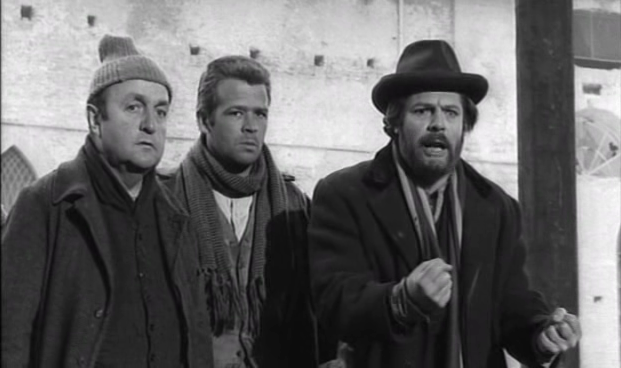
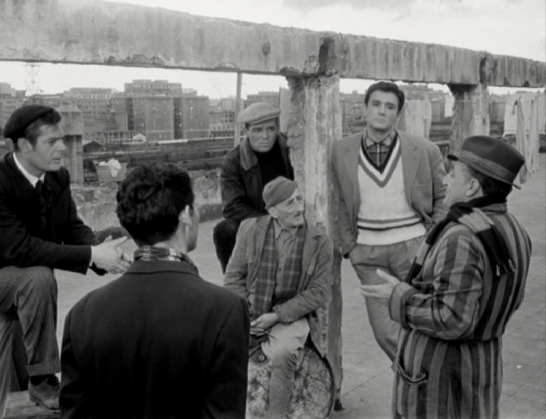
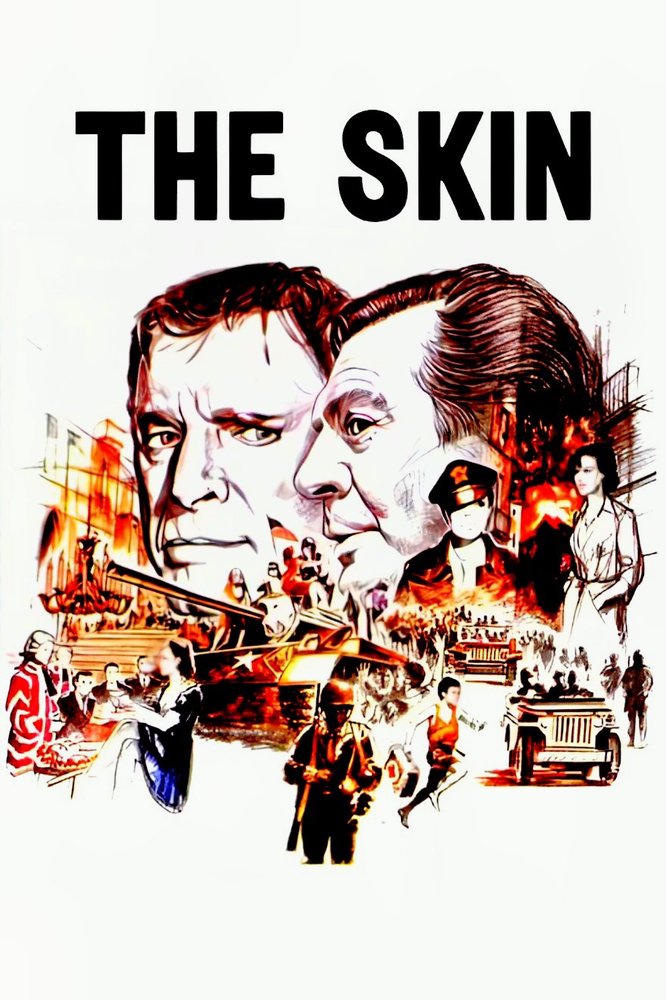
I soliti ignoti, released in English as Big Deal on Madonna Street, is a 1958 Italian production directed by Mario Monicelli and widely regarded as the film that launched the Commedia all'italiana style. Set in a poor quarter of postwar Rome, it follows a band of small-time crooks who dream of escaping their miserable circumstances through one carefully planned job, modeled on the French crime picture Rififi. Their target is a pawnshop, but the scheme keeps unraveling thanks to the gang's own incompetence, turning their efforts into something both funny and quietly tragic. Vittorio Gassman, Marcello Mastroianni, Renato Salvatori and Totò headline the cast, while Claudia Cardinale appears in a small role as a sheltered Sicilian girl watched over by her fiercely protective brother. Producers, initially unsure of the film's appeal, pushed the famous comedian Totò to the front of the poster; in the story, his veteran safecracker advises the gang rather than joining the break-in himself. The picture proved decisive for the careers of Gassman and Mastroianni, earned an Academy Award nomination for Best Foreign Language Film in 1959, and was later named among the hundred Italian films to be preserved by the Ministry of Cultural Heritage. Piero Umiliani's jazz score became equally influential.

DirectorMario Monicelli
Production companyVides Cinematografica

Reactions

You can pick up to 3 reactions.

Cast

Only cast members with a profile on this site are listed.
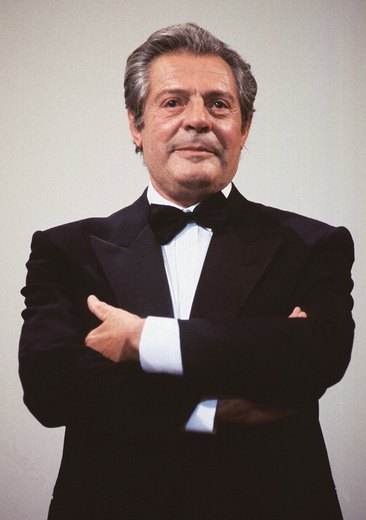
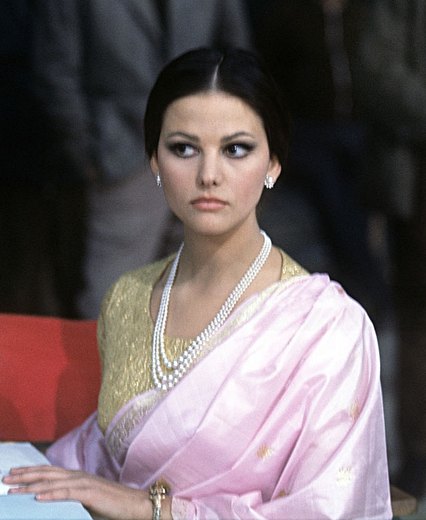
Marcello Mastroianni Marcello Mastroianni Actor · died at 72 Claudia Cardinale Claudia Cardinale Actor · died at 87 Vittorio Gassman Renato Salvatori Toto Memmo Carotenuto Carlo Pisacane Tiberio Murgia Carla Gravina Rossana Rory Nino Marchetti Gina Rovere Elena Fabrizi Gina Amendola Gustavo Serena
Through different eyes

Cinephile Looks at script, editing and directing choices; keeps a distance from formula films.

Monicelli's brilliant idea is to turn the heist-film mechanism inside out: he takes the template of a perfectly planned job like Rififi and wrecks every step through the gang's incompetence. Failure, rather than suspense, becomes the engine of the narrative. It is no accident that Commedia all'italiana is said to have been born here; beneath every mishap that makes us laugh sits the quiet tragedy of poverty. Piero Umiliani's jazz score is an important layer carrying that wistful lightness. My one reservation is that the opening stretch, introducing the gang one by one, may feel a little long by today's standards. Even so, this is a model that almost every later heist comedy owes something to.

History & Society Lens Asks about the period, the social background and what the work reflects.

The film is set in a poor quarter of postwar Rome, and that backdrop matters as much as the comedy itself. The small-time crooks' dream of changing their lives with one big job shows how narrow the legitimate ways out of poverty were in a society emerging from ruin. Claudia Cardinale's sheltered Sicilian girl, guarded by her brother, is a brief but effective reminder of the gap in tradition between Italy's north and south and of notions of family honour. Its place among the hundred Italian films chosen for preservation by the Ministry of Cultural Heritage shows it is also valued as a document of its time.

Family Viewer Asks whether the whole household can watch it; cares about humour and heart.

The heroes are thieves, but the comedy comes from incompetence, not malice. Grandparents and teenagers can laugh together. The film is in black and white and in Italian, though, so it needs subtitles. Young children may find that boring, or struggle to keep up with the reading. A good pick for family viewing with the grandparents from high-school age up.

These are not reader reviews: they are short editorial takes written from different viewer perspectives with AI assistance. Reader reviews are below.

Reviews (0)

Log in Log in to write a review.

Comments