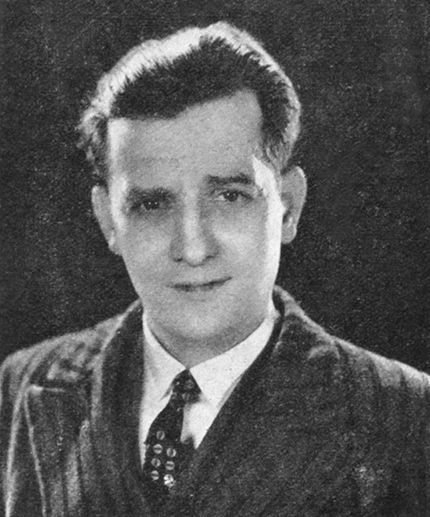
My Mother's Castle

My Mother's Castle (Le Château de ma mère)

Movie · 1990 · 15 people

Yves Robert directed My Mother's Castle (Le Château de ma mère), a French comedy drama from 1990 and the sequel to My Father's Glory, which he also released that year. Its source is the second volume of Marcel Pagnol's Souvenirs d'enfance (Memories of Childhood), published in 1957. Running about 98 minutes, it was made by Les Productions de la Guéville, produced by Alain Poiré, with a score by Vladimir Cosma.

The film continues the story of Pagnol's boyhood in Provence. The screenplay is by Jérôme Tonnerre and stays close to the book. Julien Ciamaca plays the young Marcel and Victorien Delamare plays Paul. Philippe Caubère and Nathalie Roussel play Pagnol's parents, while Didier Pain and Thérèse Liotard appear as Uncle Jules and Aunt Rose. Georges Wilson, Jean Carmet, Jean Rochefort, Michel Modo, Patrick Préjean and Paul Crauchet are also among the cast.

Passages from the original text of the novel are narrated by Jean-Pierre Darras.

DirectorYves Robert
Production companyLes Productions de la Guéville

Reactions

You can pick up to 3 reactions.

Cast

Only cast members with a profile on this site are listed.
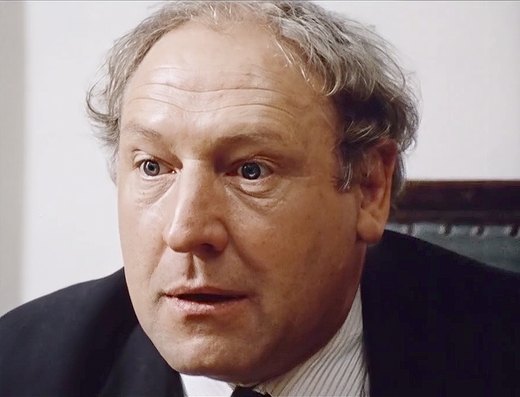
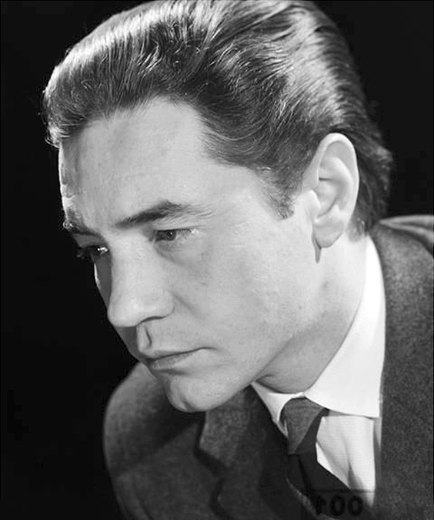
Georges Wilson Georges Wilson Film actor · died at 88 Jean-Pierre Darras Jean-Pierre Darras Film actor · died at 71 Philippe Caubère Nathalie Roussel Thérèse Liotard Didier Pain Jean Carmet Jean Rochefort Jean-Marie Juan Josy Andrieu Julien Ciamaca Michel Modo Patrick Préjean Paul Crauchet Philippe Uchan
Through different eyes

Family Viewer Asks whether the whole household can watch it; cares about humour and heart.

A film drawn from childhood memories in Provence, told through a boy's eyes. By its subject it looks fine for family viewing; grandparents, parents and school-age children can sit in front of the same screen. It may feel slow to small children, though, because it tells memories rather than an adventure. Watching the first film, My Father's Glory, released the same year, makes the story easier to follow.

Cinephile Looks at script, editing and directing choices; keeps a distance from formula films.

The second of Yves Robert's two Pagnol adaptations stands out for its faithfulness to the source. Jérôme Tonnerre's screenplay stays close to the book, and hearing passages of the original text in Jean-Pierre Darras's voice gives the film a literary frame. Vladimir Cosma's score completes that tone of remembrance. My reservation lies in that very faithfulness: the narrator's voice sometimes does the work the images should be doing, and the film ends up closer to a careful illustration than a cinematic interpretation. Watched apart from the first film, the characters also don't carry their full weight; the two make a much stronger whole together.

History & Society Lens Asks about the period, the social background and what the work reflects.

Pagnol's childhood memories can also be read as a social portrait recording the everyday life of a family in provincial France. The film centres on the wider family ties between the parents, Uncle Jules and Aunt Rose, putting kinship and belonging ahead of big historical events. That angle is interesting for seeing how memory filters an era. But telling the memories with fond nostalgia leaves the harsher sides of the period in the shade; the film looks at the past with tenderness rather than a critical eye.

These are not reader reviews: they are short editorial takes written from different viewer perspectives with AI assistance. Reader reviews are below.

Reviews (0)

Log in Log in to write a review.

Comments