A Difficult Life

A Difficult Life (Una vita difficile)

Movie · 1961 · 15 people

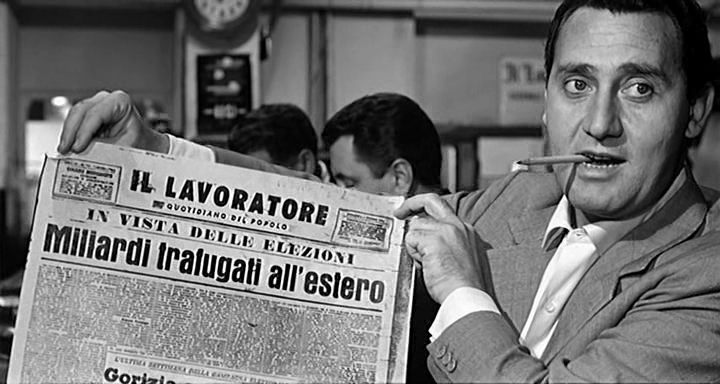
Dino Risi's comedy-drama A Difficult Life (Una vita difficile) dates from 1961 and is counted among the standout films of the commedia all'italiana, or Italian-style comedy. Rodolfo Sonego wrote the script, Dino De Laurentiis produced and Carlo Savina composed; it runs about 115 minutes. In 2008 it joined the Italian Ministry of Cultural Heritage's list of 100 Italian films to be saved, works from 1942 to 1978 said to have shaped the country's collective memory.

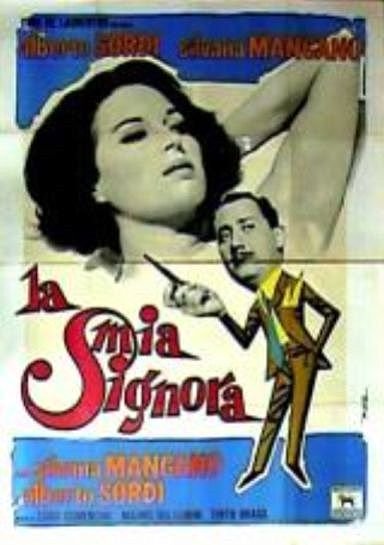
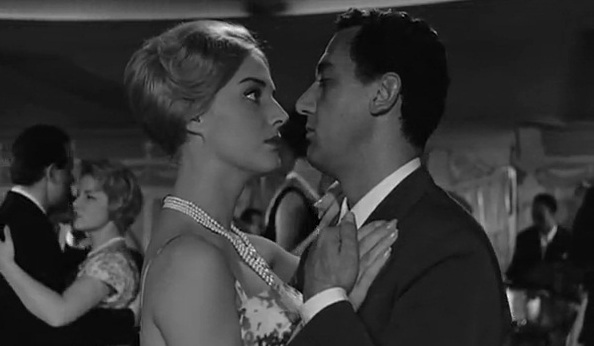
The film follows sixteen years, 1944 to 1960, through one man's eyes. Alberto Sordi plays Silvio, an idealistic journalist who believes his political activism must pay off one day. Lea Massari and Franco Fabrizi share the leads, with Silvana Mangano and Vittorio Gassman also in it. From wartime poverty and the end of fascism to the Republic and the rise of the Communist Party, Silvio struggles for democratic ideals and finally sees that Italy has changed and so must he.

It was shot in Lenno, Rome and Viareggio. Critic Jacques Lourcelles called it a small fresco of Italian life seen through a journalist's failure. It is seen as a bridge between neorealism and the cynicism of 1960s Italian comedy, and a forerunner of bittersweet panoramas like Ettore Scola's Nous nous sommes tant aimés (1974).

DirectorDino Risi

Reactions

You can pick up to 3 reactions.

Cast

Only cast members with a profile on this site are listed.
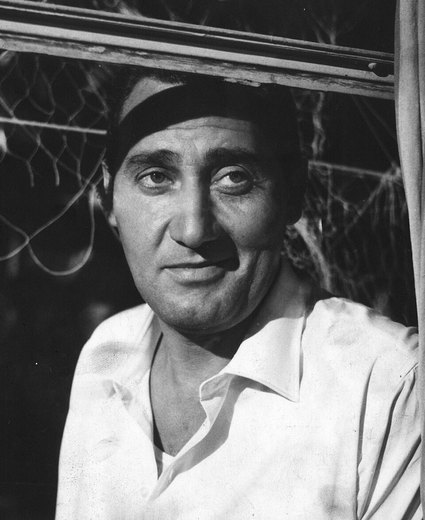
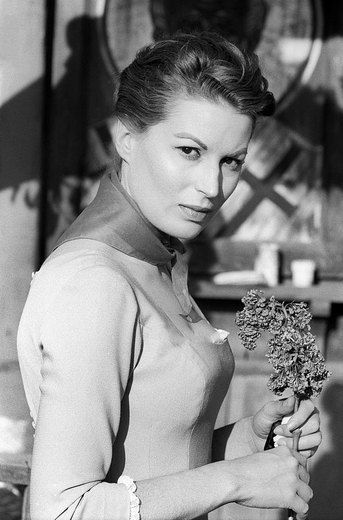
Alberto Sordi Alberto Sordi Film actor · died at 82 Silvana Mangano Silvana Mangano Actor · died at 59 Lea Massari Franco Fabrizi Claudio Gora Lina Volonghi Antonio Centa Loredana Nusciak Daniele Vargas Franco Scandurra Mino Doro Renato Tagliani Edith Peters Ennio Balbo Vittorio Gassman
Through different eyes

Cinephile Looks at script, editing and directing choices; keeps a distance from formula films.

In tying the laughter of commedia all'italiana to a historical narrative, Risi strikes a difficult balance: telling sixteen years through one man's ups and downs demands an episodic structure, and the film carries it skilfully. Sonego's script neither makes a hero of Silvio nor reduces him to a figure of fun; the comedy springs from the everyday cost of idealism. That is why its reputation as the bridge between neorealism's hopeful spirit and the cynicism of the sixties is well earned. My reservation is length: some interludes do little more than tick off the period's events in order, and the rhythm drops noticeably in the middle. Still, it is an essential link for understanding Scola's later panorama films.

History & Society Lens Asks about the period, the social background and what the work reflects.

The film fits the Italy that runs from wartime poverty and the end of fascism to the founding of the Republic and the rise of the Communist Party into the life of a single journalist. The strength of this approach is in showing how big history lands on an ordinary person's pocket, work and marriage. Silvio's eventual realisation that the country has changed and that he must change too is a sharp observation about how post-war ideals wore away in the years of prosperity. Its place on the Culture Ministry's list of films that shaped the collective memory is no surprise. It is also a thought-provoking mirror for viewers looking for similar ruptures in their own country's recent history.

Family Viewer Asks whether the whole household can watch it; cares about humour and heart.

It may start as a comedy, but this is not family entertainment. The subject is politics, the post-war years and whether a man will give up his ideals. For young children it is too long and too heavy. It can work with high-school-age teens who are interested in history, and there will be plenty to talk about afterwards. For adults it is a film that makes you laugh and think.

These are not reader reviews: they are short editorial takes written from different viewer perspectives with AI assistance. Reader reviews are below.

Reviews (0)

Log in Log in to write a review.

Comments