The Scientific Cardplayer

The Scientific Cardplayer (Lo scopone scientifico)

Movie · 1972 · 14 people

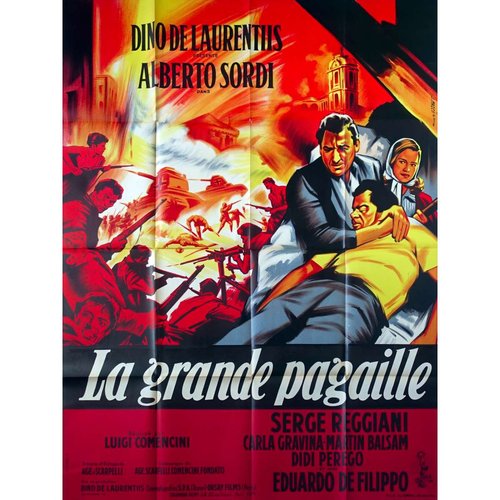
Luigi Comencini directed Lo scopone scientifico, distributed in the United States as The Scientific Cardplayer and The Scopone Game, a 1972 Italian comedy-drama. Shown in France as L'Argent de la vieille, it was produced by Dino De Laurentiis and carries the Titanus name. Rodolfo Sonego wrote the screenplay, and the film runs 113 minutes. Counted among the masterpieces of commedia all'italiana, it was added in 2008 to the Italian Ministry of Cultural Heritage's list of 100 Italian films to be saved, a hundred films said to have changed the country's collective memory between 1942 and 1978.

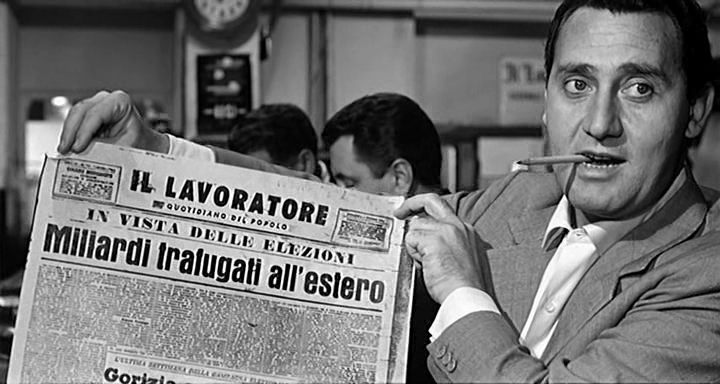
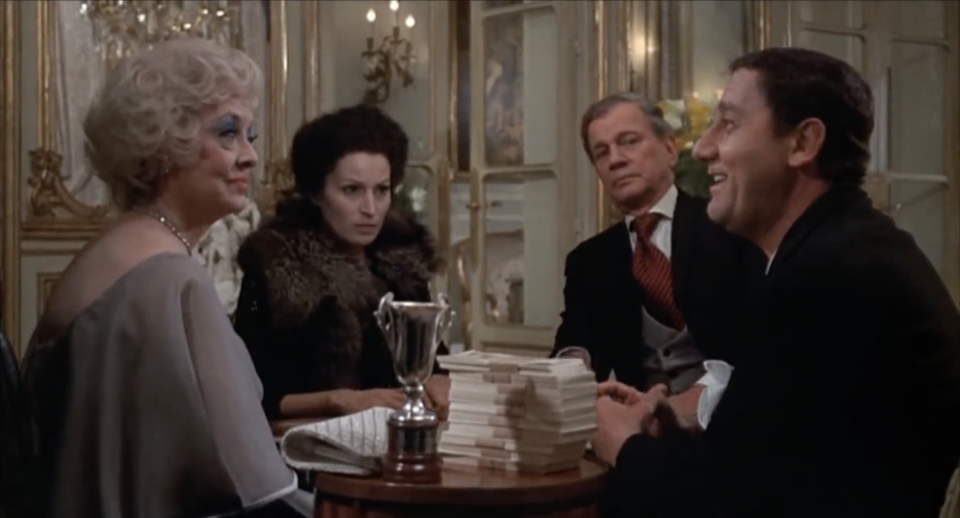
The story is set in a Roman shantytown. A rag-and-bone man and a cleaning woman go each year, at the invitation of an elderly billionaire friend, to play scopa, the classic Italian card game with her. Each time they dream that this will be the year they get rich. But the old woman seems unbeatable, and each annual meeting exposes once more the gulf between the hopes of the poor and the ruthlessness of the rich.

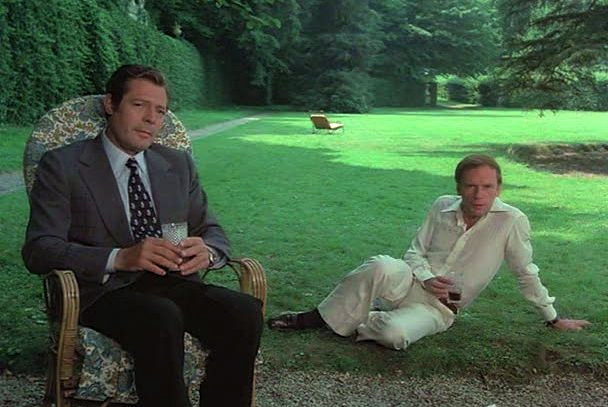
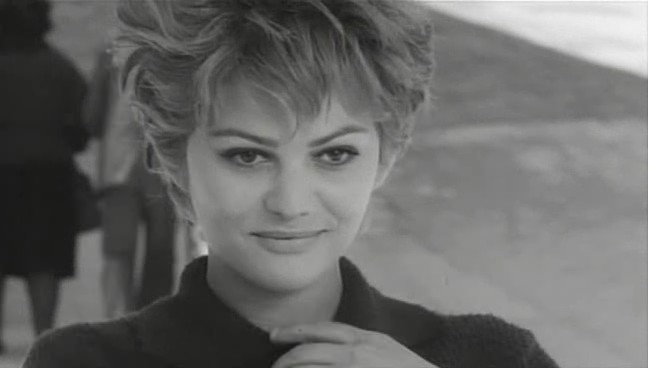
Alberto Sordi, Silvana Mangano, Bette Davis and Joseph Cotten star, with Mario Carotenuto, Domenico Modugno, Dalila Di Lazzaro and Marco Tulli also in the cast.

DirectorLuigi Comencini
Production companyTitanus

Reactions

You can pick up to 3 reactions.

Cast

Only cast members with a profile on this site are listed.
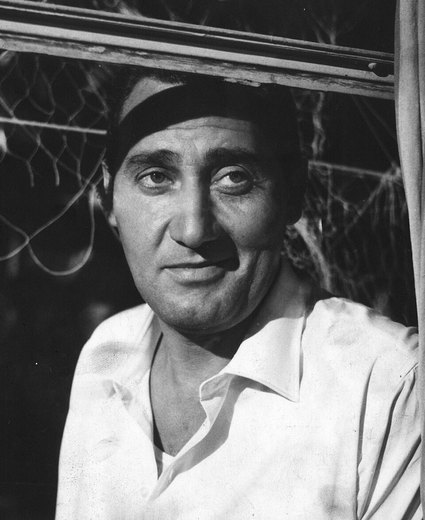
Alberto Sordi Alberto Sordi Film actor · died at 82 Silvana Mangano Silvana Mangano Actor · died at 59 Bette Davis Joseph Cotten Mario Carotenuto Domenico Modugno Franca Scagnetti Guido Cerniglia Ennio Antonelli Giselda Castrini Dalila Di Lazzaro Marco Tulli Daniele Dublino Aristide Caporale

Through different eyes

Cinephile Looks at script, editing and directing choices; keeps a distance from formula films.

Comencini draws a whole worldview out of a single recurring situation: a card table set up again every year. Rodolfo Sonego's script builds that structure as a loop of hope, play, disappointment and hope again. The balance of comedy and drama matches the best of commedia all'italiana; it makes you laugh, but the laugh has a bitter underside. Casting Bette Davis and Joseph Cotten is a bold move that seats old Hollywood stars at the same table as Rome's shantytowns. At 113 minutes it can feel long in places, since the looping structure makes repetition unavoidable. Still, it deserves its place on the list of films to be saved.

History & Society Lens Asks about the period, the social background and what the work reflects.

The film tells of the gulf between poverty and wealth through the metaphor of a card game, and it does so not as a lesson but as the natural outcome of a story. A rag-and-bone man and a cleaning woman from a Roman shantytown sit down each year at a table where the rich always set the rules of winning. What hurts most is not the losing but the hope renewed every year. It is no accident that it counts among the films said to have changed Italy's collective memory between 1942 and 1978; few works capture post-war Italy's class question with such a simple device.

Family Viewer Asks whether the whole household can watch it; cares about humour and heart.

For family viewing, neither violence nor crude language stands out; the story is about a card game and a hope. But it is a long, heavy film for small children. It has humour, yet its message is bitter: the rich always win. It is a good pick to watch with teenagers and grandparents and talk about afterwards. It suits adults who like to think, not young kids.

These are not reader reviews: they are short editorial takes written from different viewer perspectives with AI assistance. Reader reviews are below.

Reviews (0)

Log in Log in to write a review.

Comments