Beren Saat

Beren Saat

Film actor · 42 years old

Launched a solo music career with debut single "CapitaliZoo"

Biography

Profile

Age42
Birth dateFebruary 26, 1984
BirthplaceAnkara
ProfessionFilm actor
Zodiac signPisces

Filmography / Projects

Beren Saat — Biography

Born on February 26, 1984, in Ankara, Beren Saat finished secondary school at TED Ankara College and was studying at Başkent University when she placed second in the talent contest "Türkiye'nin Yıldızları," catching the eye of director Tomris Giritlioğlu and setting her on a path into professional acting. After a small part in the series Aşkımızda Ölüm Var (2004), Giritlioğlu cast her in her first lead role in Aşka Sürgün (2005-2006).

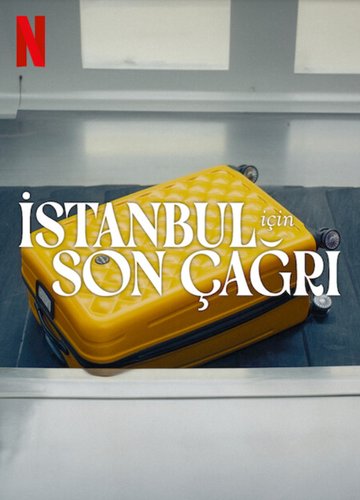
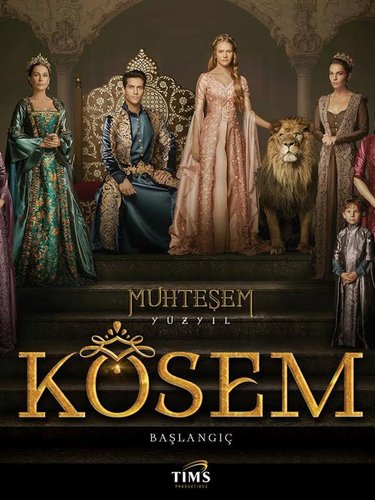
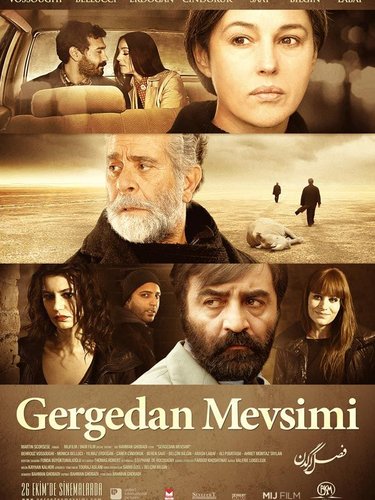
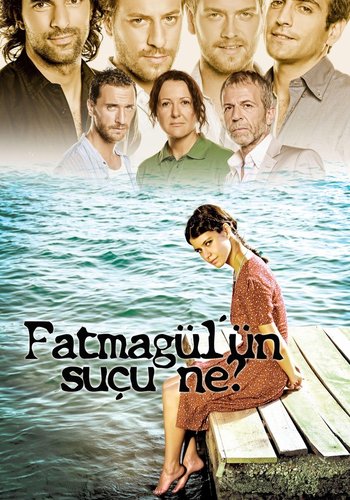
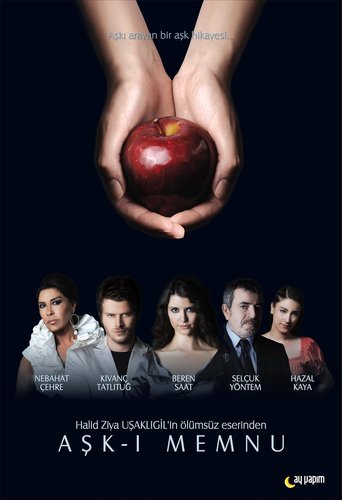
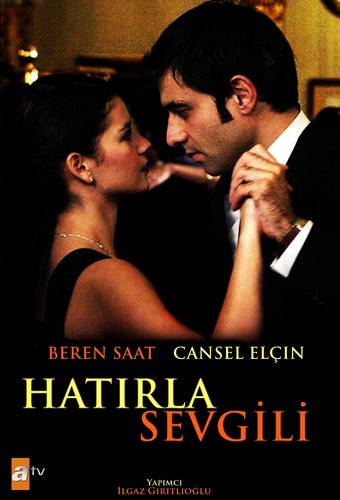
Following the role of Yasemin Ünsal in Hatırla Sevgili (2006-2008), Saat rose to wide fame playing Bihter in Aşk-ı Memnu (2008-2010), a performance that earned her two Golden Butterfly Awards. She went on to portray a rape survivor named Fatmagül in Fatmagül'ün Suçu Ne? (2010-2012), a role credited with drawing public attention to women's rights issues, and later starred as avenger Derin Çelik in İntikam (2013-2014). Her film work began with Güz Sancısı, released in 2009, followed by Gecenin Kanatları (2009), Gergedan Mevsimi (2012) and Benim Dünyam (2013). She then took on the title role of Kösem Sultan in the historical series Muhteşem Yüzyıl: Kösem (2015-2016), starred in the Netflix series Atiye (The Gift) from 2019 to 2021, and appeared in the Netflix film Last Call For Istanbul in 2023.

Named Actress of the Year on Radikal newspaper's "2010 Damgasını Vuranlar" list and Woman of the Year by GQ Turkey in 2013, Saat was reportedly Turkey's highest-earning actress between 2008 and 2014. She has been married to singer Kenan Doğulu since 2014, and in February 2026 she stepped into music herself, releasing her debut single "CapitaliZoo" under the name "Beren" and describing singing, dancing and acting as parts of a single creative whole for her.

Reactions

You can pick up to 3 reactions.

Their work through different eyes

AI-assisted editorial takes on this person's screen work, written from different viewer perspectives. They are not reader comments; those are below.

Series Binger A series devotee tracking character arcs, cast chemistry and season pacing.

Beren Saat's best-known series roles are often women carrying the same heavy load: Fatmagül in Fatmagül'ün Suçu Ne?, attacked one night by four men and pushed by the families into marriage, and Derin Çelik in İntikam, who learns of her father's innocence and sets out for revenge. Both series fit her into the mold of the suffering or avenging heroine, and as episodes pile up the tone of that mold becomes open to repetition. That makes Atiye a valuable break: the painter whose life is shaken by a symbol found at Göbeklitepe shows her outside melodrama, in a mysterious, fantastical frame.

Cinephile Looks at script, editing and directing choices; keeps a distance from formula films.

Beren Saat's film work opens onto riskier choices than the mass-audience storytelling of her series. In Güz Sancısı, Tomris Giritlioğlu builds the political tension of the 1950s from Yılmaz Karakoyunlu's novel, and Saat's Elena stands in the middle of that period; it is the soundest first step. Uğur Yücel's Benim Dünyam takes her into the part of Ela, a girl who grows up cut off from the world around her; it is work that has to be built with the body, very different from the dialogue-heavy acting of her series. In Bahman Ghobadi's Gergedan Mevsimi, drawn from a poet's years of prison and exile, she plays the family's daughter, and it is the one chance in her filmography to see her in a foreign director's film language.

History & Society Lens Asks about the period, the social background and what the work reflects.

Beren Saat's roles show, one by one, the places where women were cornered in different periods of Turkey. Yasemin Ünsal in Hatırla Sevgili carries a love that ties two opposing families together through the political turmoil running from the late 1950s to 1980. Bihter in Aşk-ı Memnu is a young woman who, after losing her father, marries a much older, wealthy man and moves into his mansion on the Bosphorus. Fatmagül'ün Suçu Ne? is the harshest link in that chain: in a series about a woman who is attacked and then forced into marriage, her Fatmagül is remembered as a performance that raised awareness of women's rights.

Comments