Don't Touch the White Woman!

Don't Touch the White Woman! (Touche pas à la femme blanche !)

Movie · 1974 · 3 people

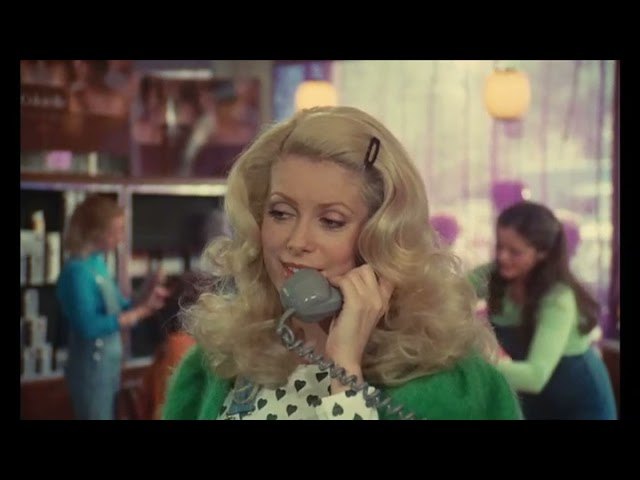
Touche pas à la femme blanche ! (Don't Touch the White Woman!) is a 1974 French-Italian co-production, directed by Marco Ferreri and co-written with Rafael Azcona. A parody of the Western, it is a satire of both cinema and politics, and counts among the very few Westerns made in France. It runs about 108 minutes and drew modest audience interest.

It moves the Battle of the Little Bighorn into the middle of Paris. Real figures such as General Custer, Buffalo Bill and Sitting Bull appear, and in a world where Richard Nixon is president, advisers meddle with how the war is told in the media. The heroes wear Wild West costumes, but the story is set in Paris in 1973, where the vast pit left by the demolition of the old Les Halles pavilions stands in for the prairie. Marcello Mastroianni plays Custer, Michel Piccoli Buffalo Bill, Philippe Noiret Terry and Catherine Deneuve Marie-Hélène, alongside Ugo Tognazzi and Darry Cowl.

Ferreri shot with light equipment and a small crew a few weeks after finishing La Grande Bouffe, bringing back that film's male ensemble. Showing both the genocide of Native Americans and the pushing of working-class people out of city centers, the film also takes aim at the Vietnam War and American militarism.

DirectorMarco Ferreri

Reactions

You can pick up to 3 reactions.

Cast

Only cast members with a profile on this site are listed.

Through different eyes

Cinephile Looks at script, editing and directing choices; keeps a distance from formula films.

Marco Ferreri's film is a daring parody that drops the Western into the middle of Paris and mocks both cinema and politics. Staging the Battle of the Little Bighorn in 1973 Paris, in the huge pit left by the demolition of the old Les Halles pavilions, is a cinematic manifesto in itself: a building site in place of the prairie, a modern city in Wild West costume. Mastroianni's Custer, Piccoli's Buffalo Bill and Deneuve's presence, together with the male ensemble carried over from La Grande Bouffe, give the film a playful energy. Shooting with light equipment and a small crew explains its near-improvised feel. But the satire often repeats the same idea, and over roughly 108 minutes the allegory struggles to build dramatic tension. It is no surprise that audience interest stayed modest.

History & Society Lens Asks about the period, the social background and what the work reflects.

Ferreri sets the genocide of Native Americans beside the pushing of working-class people out of city centres, drawing a striking parallel. The pit opened by the demolition of the Les Halles pavilions is more than a set; it stands for a changing Paris and for displaced people. Advisers meddling with how the war is told in the media, in a world where Richard Nixon is president, amount to an open critique of the Vietnam War and American militarism. Turning real historical figures such as Custer, Buffalo Bill and Sitting Bull into parody brings forward the question of who tells history, and how. An intriguing document for anyone wanting to understand the political mood of the 1970s, though the allegory is at times too blunt and close to sloganeering.

Action & Thriller Fan Puts pace, tension and set pieces first; little patience for slow drama.

On paper it is a Western: cowboy costumes, General Custer, the Battle of the Little Bighorn. But anyone expecting action will be let down. This is parody and satire, with political jabs in front rather than genre thrills. The idea of restaging the battle in a building-site pit in Paris is fun, but the pace is slow. If you are after tension, skip it; if you are open to odd experiments, give it a go.

These are not reader reviews: they are short editorial takes written from different viewer perspectives with AI assistance. Reader reviews are below.

Reviews (0)

Log in Log in to write a review.

Comments