City of Women

City of Women (La città delle donne)

Movie · 1980 · 4 people

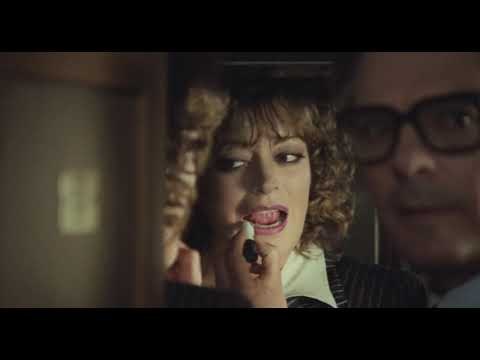
Federico Fellini is behind the 1980 Italian-French fantasy comedy-drama City of Women (La città delle donne, known in Turkish as Kadınlar Kenti), which he wrote with Bernardino Zapponi and Brunello Rondi. It was shown out of competition at the 33rd Cannes Film Festival and runs about 140 minutes. Daniel Toscan du Plantier produced and Luis Bacalov composed the music.

The hero, Snàporaz (Marcello Mastroianni), is first seen on a train journey. He catches a bottle slipping from the hands of the woman opposite, meets her eyes and follows her out of the compartment. When she abruptly steps off the train and walks away, he loses her and ends up in a hotel filled entirely with women, where a large feminist gathering is under way. What follows is a journey where dream and reality blur: Snàporaz drifts between male and female realms toward a reckoning with his attitude to women and with his wife.

Fellini's familiar outrageous, dreamlike and artistic imagery fills the film. The cast includes Bernice Stegers as the woman on the train, Dominique Labourier as a feminist, and Ettore Manni, Donatella Damiani, Rosaria Tafuri, Loredana Solfizi and Gabriella Giorgelli. It was also shown at the 2013 Fellini Days in Ankara; its subject is women, desire and the male outlook.

DirectorFederico Fellini

Reactions

You can pick up to 3 reactions.

Cast

Only cast members with a profile on this site are listed.

Through different eyes

Cinephile Looks at script, editing and directing choices; keeps a distance from formula films.

City of Women is a textbook case of Fellini's way of blending dream and reality. An ordinary exchange of glances on a train draws Snàporaz into a hotel full of women and from there into a surreal journey; this is a structure that moves through images, spaces and transitions rather than plot. Marcello Mastroianni carries that drift with graceful bewilderment, and Luis Bacalov's music feeds the dreamlike mood. Over roughly 140 minutes, though, the links between episodes loosen, and at times the film drowns in the abundance of its own images. It is hard to rank among Fellini's strongest work, yet for anyone who loves his world it is a stop not to be skipped.

History & Society Lens Asks about the period, the social background and what the work reflects.

Made in 1980, City of Women places a large feminist gathering at the heart of its story and puts one man's view of women at the centre. Snàporaz stumbling into that gathering turns the film into a mirror of the arguments about relations between women and men. Yet it tells that argument through the eyes of a bewildered man rather than the women, which for a viewer today makes it both an interesting document and a debatable choice. It offers rich material for anyone thinking about desire and the male and female gaze, but it is worth noting that the female characters often remain figures rather than people.

Family Viewer Asks whether the whole household can watch it; cares about humour and heart.

This is not a film to sit down and watch with the family. It is about women, desire and how men see women. It is full of dreamlike, strange and unusual scenes. It runs about 140 minutes, which is both long and confusing for children. It suits adults and viewers who enjoy art films. For teenagers, only if they have a special interest in cinema.

These are not reader reviews: they are short editorial takes written from different viewer perspectives with AI assistance. Reader reviews are below.

Reviews (0)

Log in Log in to write a review.

Comments