Pus

Haze (Pus)

Movie · 2010 · 3 people

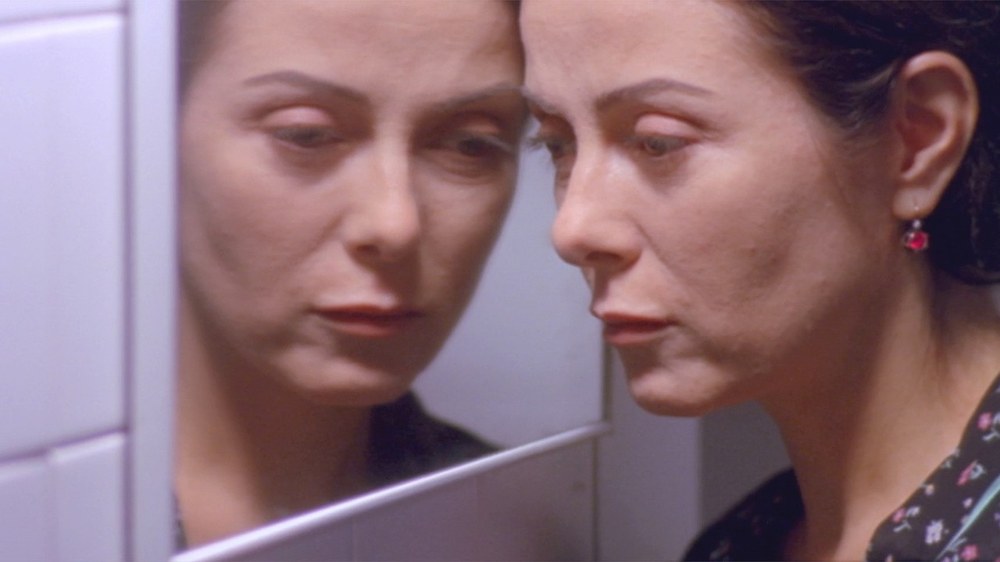
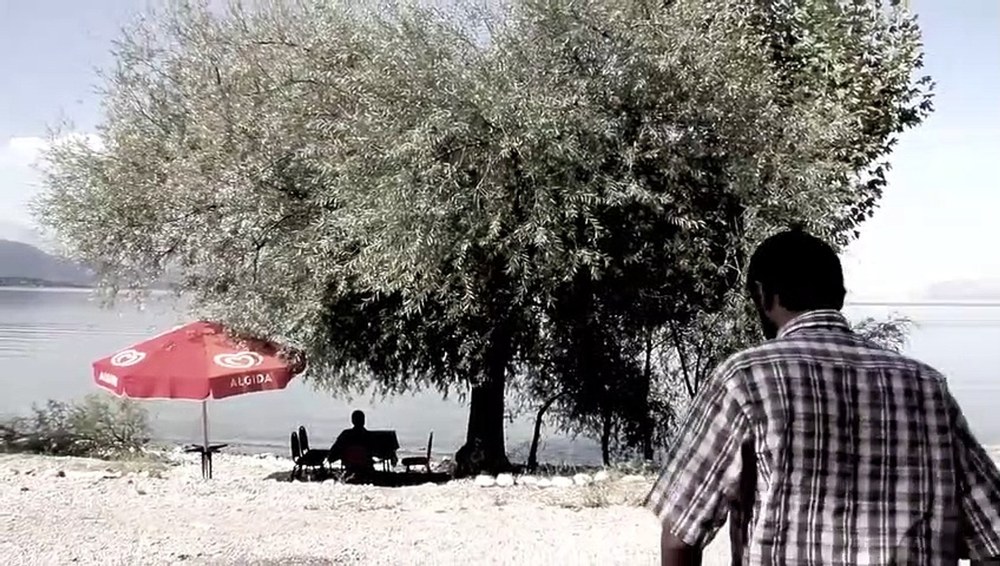
Tayfun Pirselimoğlu wrote and directed Pus, his third feature and a Turkish drama from 2010. It premiered at the 60th Berlin International Film Festival (February 11-21, 2010) and reached Turkish cinemas on May 28, 2010. Abroad it is known as Haze.

The story follows Reşat, who lives with his mother in the outskirts of Istanbul. Played by Ruhi Sarı, he is a withdrawn, odd young man who gets by on bootleg DVD work and almost never speaks to his mother. Only the girl next door and the hope of owning a motorbike interest him. Fond of pointless petty theft, Reşat takes a package left by Celal, a friend of his boss. When Celal is murdered the same day, the question of what the package holds drags Reşat into a dark chain of events. Besides Ruhi Sarı, the cast includes Serkan Keskin, Bahar Yanılmaz and Mehmet Avcı.

The film tries to capture the slow, quiet tempo of life on the city's edge. One critic noted that a 24-page script had been stretched to about 110 minutes, argued that the characters do not behave like real people from such neighborhoods, and saw the film as an attempt to tell a Zeki Demirkubuz-style story through Nuri Bilge Ceylan-style cinema. Audience ratings were low as well.

DirectorTayfun Pirselimoğlu
Haze (Pus) Haze (Pus)

Reactions

You can pick up to 3 reactions.

Cast

Through different eyes

Cinephile Looks at script, editing and directing choices; keeps a distance from formula films.

Pus, which premiered in Berlin, wears its auteur ambitions openly: taciturn characters, a slow, quiet pace and a wish to capture the rhythm of life on the city's margins. Ruhi Sarı's withdrawn Reşat is a face that can carry emptiness with very few words. But even if the pace is deliberate, a running time of about 110 minutes exposes the limits of a thin script; it is no accident that one critic pointed to the 24-page screenplay. The noir skeleton built around a stolen package sparks curiosity, yet the silence too often repeats itself instead of creating meaning. The comparison with Demirkubuz and Ceylan is understandable, but the film reaches neither the intensity of the one nor the visual poetry of the other.

History & Society Lens Asks about the period, the social background and what the work reflects.

Pus tries to portray Istanbul's poorer outskirts without prettifying them, through the daily life of a young man scraping by. Work in the pirated DVD trade, a son who barely speaks to his mother, small hopes pinned on the girl next door and a motorbike he dreams of owning: the right ingredients for a portrait of a life stuck on the city's edge. His pointless petty thefts can even be read as a kind of silent rebellion. Yet, as one critic noted, the characters behave less like real people from such neighbourhoods than like constructed figures, which weakens the film's claim to social observation. A sincere attempt at life on the margins, but debatable as a record of its time.

Action & Thriller Fan Puts pace, tension and set pieces first; little patience for slow drama.

A mysterious stolen package, a man killed the same day... the setup promises suspense. But instead of turning that spark into a fast-moving hunt, Pus plays out as a slow, quiet drama. Reşat's withdrawn nature seeps into the film itself; between the long silences the pace never really picks up. For anyone wanting tension and action, it's a real test of patience. Festival-film fans may find something else in it.

These are not reader reviews: they are short editorial takes written from different viewer perspectives with AI assistance. Reader reviews are below.

Reviews (0)

Log in Log in to write a review.

Comments