Mafioso

Mafioso

Movie · 1962 · 5 people

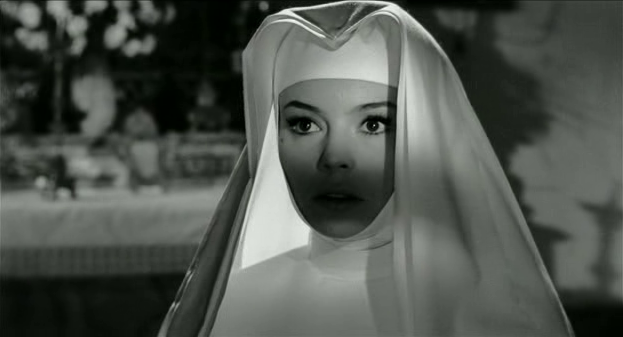
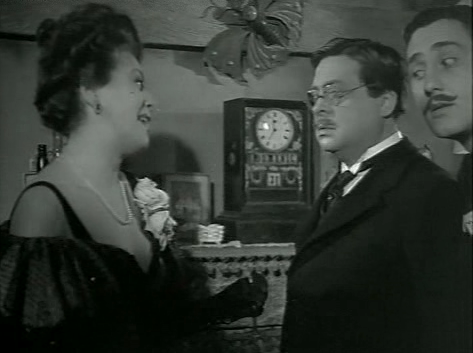
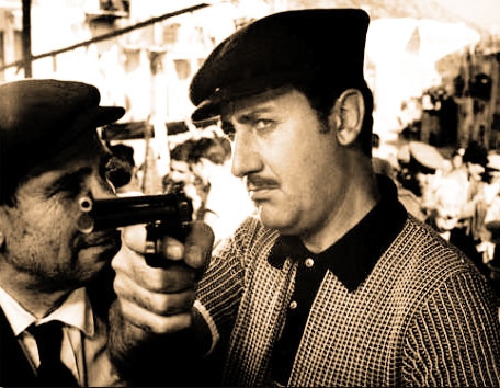
Alberto Lattuada made the Italian black comedy Mafioso (also known in France as L'Homme de la mafia) in 1962. It treats the Mafia with a smile that slowly gives way to darkness. Running about 98 minutes, it stars Alberto Sordi, with Norma Bengell, Gabriella Conti and Ugo Attanasio also in the cast. The film won the Best Film award at the San Sebastian Film Festival.

Sordi plays Nino, the manager of a factory in Milan. Born in Sicily, Nino has built a new life in the north with a wife and family. When he takes his wife on a holiday to his Sicilian home town, he meets the warm yet distant traditional world of his relatives. The Mafia, the real power in the town, sees his visit as an opportunity and asks him to take on a killing. Caught between modern city life and old Sicilian ties, he finds that a comic homecoming is turning into a dangerous trap.

The screenplay was written jointly by Rafael Azcona, Marco Ferreri and Agenore Incrocci, from a story by Bruno Caruso. In 2008 the film was added to the Italian Ministry of Cultural Heritage's list of 100 Italian films to be saved, films said to have changed the collective memory of the country between 1942 and 1978.

DirectorAlberto Lattuada

Reactions

You can pick up to 3 reactions.

Cast

Only cast members with a profile on this site are listed.
Through different eyes

Cinephile Looks at script, editing and directing choices; keeps a distance from formula films.

Mafioso's real achievement is its shift in tone: it approaches the Mafia with a smile and slowly lets that smile give way to darkness. A story that opens as a comic homecoming and turns into a dangerous trap aims for black comedy's hardest task, unsettling the audience while making them laugh. Names like Rafael Azcona and Marco Ferreri on the screenplay hint at the tone of this bitter humour. Alberto Sordi's Nino, a man caught between the orderly life he built in the north and old ties in the south, carries the film's tension. Viewers used to today's pace may find the opening stretch among the relatives slow, but that slowness lays the ground for the darkness to come.

History & Society Lens Asks about the period, the social background and what the work reflects.

The film fits the deep divide between Italy's north and south into one man's holiday trip. Nino, a Sicilian who has become a factory manager in Milan, is a vivid example of the double identity that internal migration creates: he has built a modern life in the city but cannot cut his ties to home. Showing the Mafia as the real power in the town invites reflection on how traditional bonds can turn into authority. The dilemma of people who move to the big city yet stay tied to their home town will feel familiar to Turkish viewers too. Its place since 2008 on the list of 100 Italian films to be saved shows how this theme sits in Italy's collective memory.

Family Viewer Asks whether the whole household can watch it; cares about humour and heart.

It starts out like a comedy but heads somewhere dark. The Mafia asking the hero to carry out a killing is at the centre of the story. It is not suitable for young children; teenagers and adults can watch it. Themes like family ties and longing for home may interest older relatives too, but its humour is dark and bitter and not for everyone.

These are not reader reviews: they are short editorial takes written from different viewer perspectives with AI assistance. Reader reviews are below.

Reviews (0)

Log in Log in to write a review.

Comments