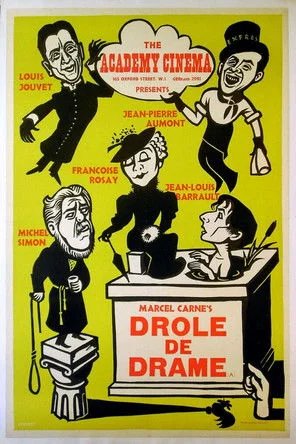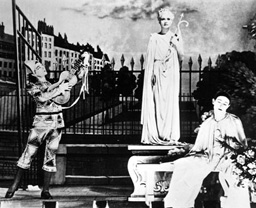
Les Enfants du Paradis

Children of Paradise (Les Enfants du Paradis)

Movie · 1945 · 3 people

Marcel Carné directed the French romantic drama Les Enfants du Paradis (Children of Paradise) in 1945, working from a screenplay by the poet Jacques Prévert. Running about three hours in two parts, it is counted a masterpiece of poetic realism and one of few large French productions made under the occupation. The title refers to the "paradis", a theatre's highest and cheapest gallery.

The story is set in 1830s Paris, on the theatre street nicknamed the Boulevard du Crime for the bloody melodramas staged there. Four men love the beautiful, free-spirited Garance (Arletty), each differently: the mime Baptiste Debureau (Jean-Louis Barrault), the actor Frédérick Lemaître (Pierre Brasseur), the criminal Lacenaire (Marcel Herrand) and an aristocrat, the Comte de Montray. Debureau never manages to confess his feelings, while the actress Nathalie, who loves him, schemes against Garance and Lacenaire's crime tangles matters further.

Shooting began in August 1943 in Nice and ended in 1944 at Pathé's Paris studios. It opened in March 1945. The screenplay was nominated for Best Original Screenplay at the 19th Academy Awards. François Truffaut said he would give up all his own films to have directed it, and a 1995 poll of 600 French critics and professionals named it the best French film ever.

DirectorMarcel Carné
Production companyPathé

Reactions

You can pick up to 3 reactions.

Cast

Only cast members with a profile on this site are listed.
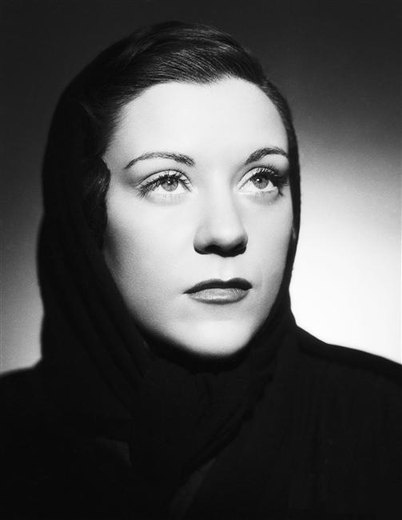
Through different eyes

Yeşilçam Nostalgic A viewer raised on the classics, looking for warm storytelling and strong acting.

Some films grow more precious with age, and Les Enfants du Paradis is one of them. Written by the poet Jacques Prévert, this love story is woven around four men who each love Garance in a different way. Baptiste, the mime who can never bring himself to confess his feelings, wrings the heart, much like the unspoken loves of Yeşilçam we hold so dear. Arletty's Garance is both free and melancholy. Let the nearly three-hour length frighten no one; this film, named after a theatre's cheapest gallery, reminds us where the heart of cinema beats.

Cinephile Looks at script, editing and directing choices; keeps a distance from formula films.

The partnership of Carné and Prévert is perhaps poetic realism at its most mature. The two-part structure stages the Boulevard du Crime of the 1830s like one vast set, and the tension between theatre and life, between mime and the spoken word, becomes the film's formal core. Jean-Louis Barrault's withdrawn Baptiste and Pierre Brasseur's self-assured Frédérick Lemaître form a deliberate contrast. Completing a production this large under the occupation, with a shoot that began in Nice and ended at Pathé's Paris studios, is an achievement in itself. The roughly three hours do drag in some transitions, and the dialogue is at times too literary. Even so, Truffaut's admiration and its top place in the 1995 poll are easy to understand.

Action & Thriller Fan Puts pace, tension and set pieces first; little patience for slow drama.

Let me be honest: about three hours, two parts and plenty of dialogue make a real test for anyone who wants pace. This is not an action film; the tension comes from love and jealousy, not from weapons. Still, when the criminal Lacenaire's crime stirs things up, the story suddenly comes alive. If you are not a classics fan, splitting it over two evenings is the smart move.

These are not reader reviews: they are short editorial takes written from different viewer perspectives with AI assistance. Reader reviews are below.

Reviews (0)

Log in Log in to write a review.

Comments