The Phantom of Liberty (Le Fantôme de la liberté)

Movie · 1974 · 5 people

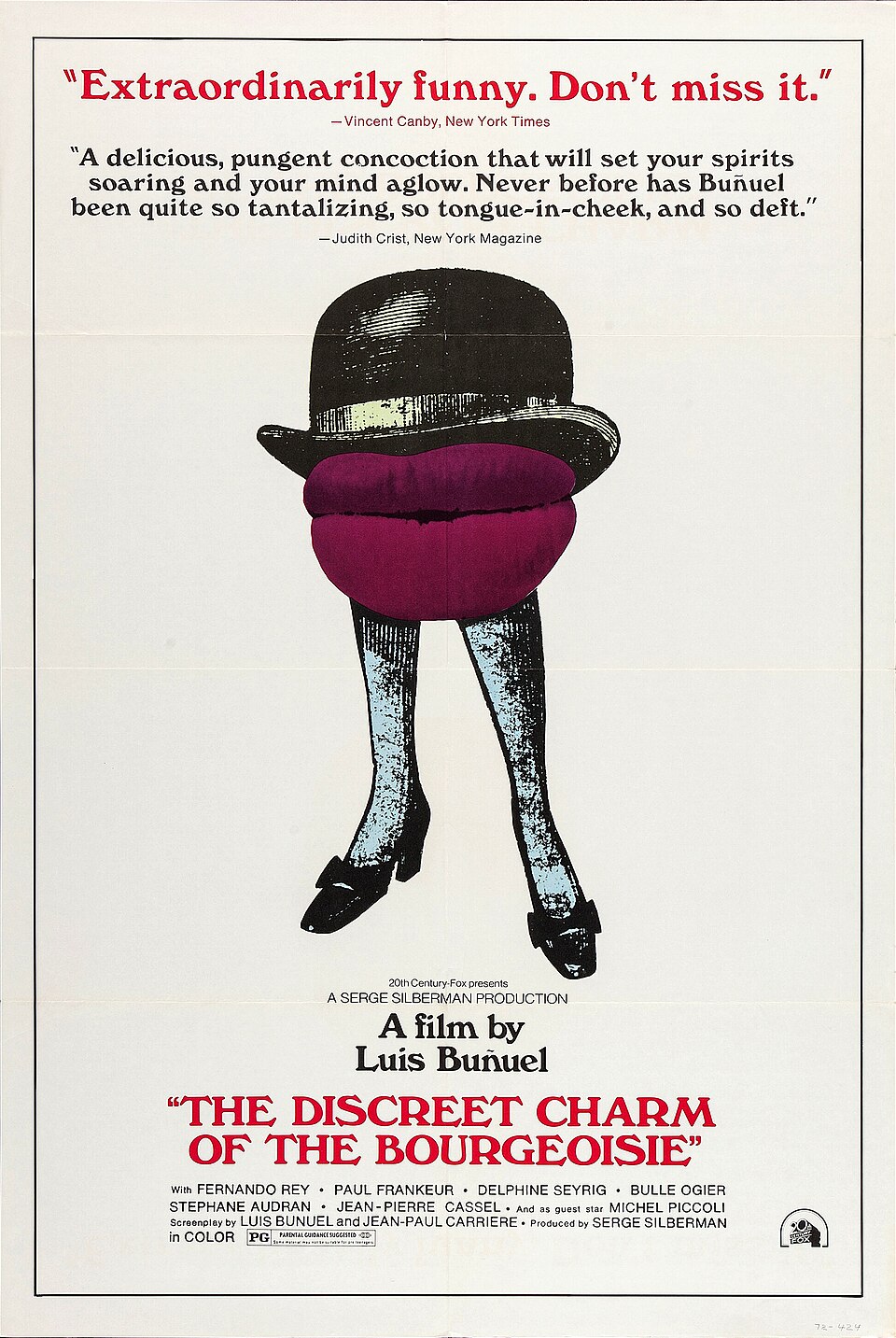
Le Fantôme de la liberté (The Phantom of Liberty) is a surrealist, satirical dark comedy made in 1974 by the Spanish director Luis Buñuel as a French-Italian co-production. It was his 31st film and the penultimate of his career. He wrote the script with his long-time partner Jean-Claude Carrière, and Serge Silberman produced. Buñuel later described it as the final part of a loose trilogy on the search for truth, with The Milky Way and The Discreet Charm of the Bourgeoisie. The title alludes to the opening line of the Communist Manifesto about a spectre haunting Europe.

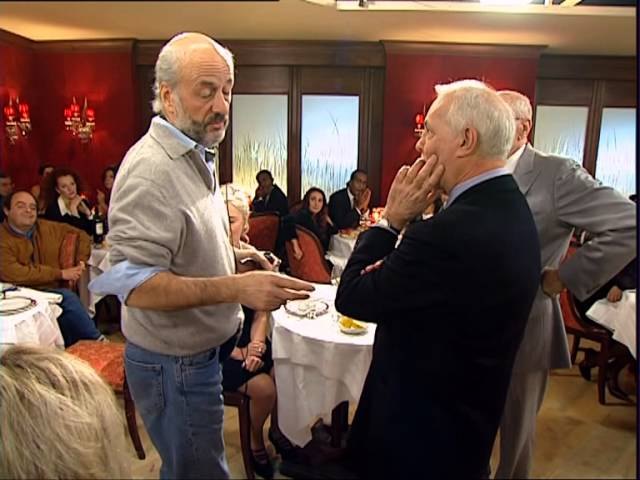
There is no straight plot. The film is split into fourteen chapters, each handed to the next by a character moving into a different situation, and the story draws on a tale by a Spanish Romantic poet. One of its best-remembered scenes shows people sitting on toilets around a dinner table. The increasingly outlandish chain of incidents targets family, church, army and bourgeois manners, testing assumptions about how stable social rules and reality are.

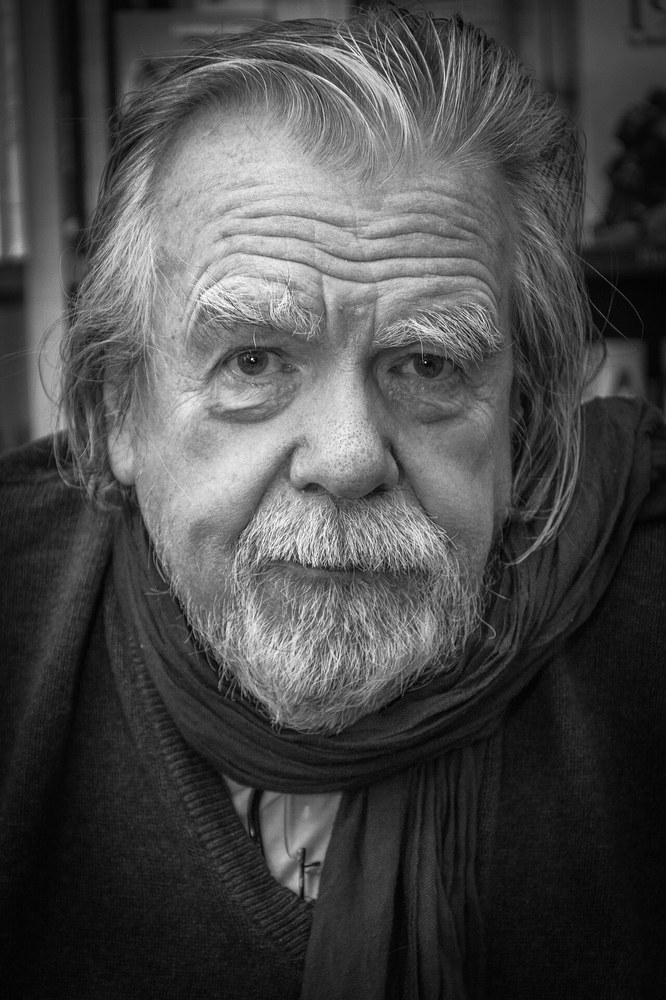
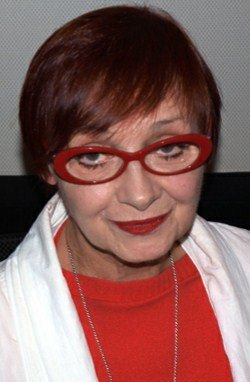
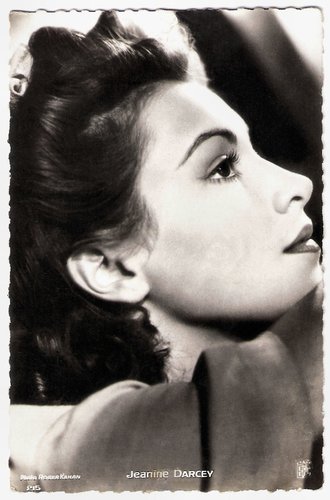
The large cast includes Adriana Asti, Julien Bertheau, Jean Rochefort, Michel Piccoli, Adolfo Celi, Michael Lonsdale, Jean-Claude Brialy, Monica Vitti and Milena Vukotic. Critics received it warmly and it is counted among Buñuel's best films.

DirectorLuis Buñuel
Production companyGreenwich

Reactions

You can pick up to 3 reactions.

Cast

Only cast members with a profile on this site are listed.
Through different eyes

Cinephile Looks at script, editing and directing choices; keeps a distance from formula films.

Buñuel's penultimate film deliberately refuses a straight plot: fourteen chapters, each handed on to the next as a character moves into a different situation. That relay-race construction is the real invention of the script he wrote with Jean-Claude Carrière; the narrative keeps frustrating the viewer's expectation of cause and effect. The scene of people sitting on toilets around a dinner table sums up in a single image how arbitrary social rules are. A large cast including Michel Piccoli, Monica Vitti and Jean-Claude Brialy passes through in brief but sharp roles. Still, the structure is inevitably uneven: some chapters are brilliant, while others remain ideas that never quite open up on screen. It is not as unified as The Discreet Charm of the Bourgeoisie.

History & Society Lens Asks about the period, the social background and what the work reflects.

The film takes its title from the opening line of the Communist Manifesto about a spectre haunting Europe, and the reference is no idle one. Buñuel takes aim in turn at family, church, army and bourgeois manners; each chapter reminds us that the social order we take as natural is really a bundle of habits. In that sense the film can be read as one of the most ironic expressions in 1970s cinema of distrust towards institutions. On the other hand, the surrealist idiom sometimes turns the critique into a joke and blunts its edge. Viewers looking for a concrete portrait of the period may come away empty-handed.

Family Viewer Asks whether the whole household can watch it; cares about humour and heart.

This is not a film to sit down to with the family. There's no clear story, and the scenes link up in strange ways. There are off-putting images, like people sitting on toilets at a dinner table. Children won't follow any of it, and even grandparents may be left baffled. It's for adults who enjoy art-house cinema.

These are not reader reviews: they are short editorial takes written from different viewer perspectives with AI assistance. Reader reviews are below.

Reviews (0)

Log in Log in to write a review.

Comments