Tricycle (Üç Tekerlekli Bisiklet)

Tricycle (Üç Tekerlekli Bisiklet)

Movie · 1962 · 15 people

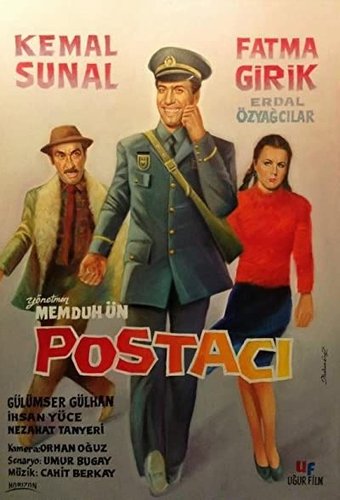
Turkish drama Üç Tekerlekli Bisiklet (Tricycle) was made in black and white in 1962. Its production story is as notable as the plot: Lütfi Ö. Akad began shooting but walked away before it was finished, and Memduh Ün completed it. Produced by Nusret İkbal for Be-Ya Film, it was named Best Film at the first film festival held by the İzmir International Fair in 1965, where Sezer Sezin received the Best Actress award.

At the heart of the story is Hacer, a washerwoman played by Sezer Sezin, who has had no news of her husband for three years and lives with her small son. A young man wanted for murder, played by Ayhan Işık, takes refuge in her home, wounded. The cast also includes Senih Orkan, Saadettin Erbil, Reha Yurdakul, Osman Alyanak and Asım Nipton.

The screenplay was written by Vedat Türkali under the pen name "Hüsamettin Gönenli", drawing on a work by Orhan Kemal. Mustafa Yılmaz and Çetin Gürtop share the cinematography, and Ün also edited the film. By his memoir's account, Akad left with two days of shooting remaining: Ayhan Işık's allotted days had run out, and he found the three days offered to him not enough. The few remaining street chases and shootouts, along with the big closing fight, fell to Ün.

DirectorÖmer Lütfi Akad, Memduh Ün
Production companyBe-Ya Film

Reactions

You can pick up to 3 reactions.

Cast
Ayhan Işık Film actor · died at 50 Ali Sezer Sezin Reha Yurdakul Saadettin Erbil Senih Orkan Asım Nipton Muazzez Arçay Osman Alyanak Osman Alyanak Actor · 1911 – 1991 Ayla Kaya Nuri Genç Mehmet Ali Akpınar Haydar Karaer Niyazi Vanlı Hayri Esen Hakkı Haktan

Through different eyes

Yeşilçam Nostalgic A viewer raised on the classics, looking for warm storytelling and strong acting.

A story drawn from Orhan Kemal's world and written by Vedat Türkali: one of Yeşilçam's soundest veins runs through it. A wounded fugitive taking refuge with a washerwoman who has had no word from her husband in three years suits the plain but intense drama of those years perfectly. Sezer Sezin's Best Actress award in İzmir was no accident; the heart of the story beats in her Hacer. The black-and-white images deepen the sadness of a story knotted inside a poor home.

Cinephile Looks at script, editing and directing choices; keeps a distance from formula films.

The film's backstory shows on screen. Akad walked away with two days of shooting left, and the street chases, shootouts and big closing fight fell to Memduh Ün. The result is an inward-looking drama built on a refuge, with action scenes shot by another hand added at the end, and in my view the gap between the two directors' sensibilities is felt in that shift. Türkali's solid screenplay still holds the film together. Even as an unfinished Akad work it is a valuable example of the social-realist turn of its time, but it should not be watched expecting a unified auteur film.

History & Society Lens Asks about the period, the social background and what the work reflects.

At the centre of the story is a washerwoman whose husband has been missing for three years and who is trying to stand on her own feet with her small son. In the early 1960s this was a far from rare portrait of poor women's labour and of mothers left alone. As in other stories drawn from Orhan Kemal, the characters are neither wholly good nor wholly bad; they are trying to survive within their circumstances. A wounded young man wanted for murder seeking refuge in this home brings two people from the margins of society under one roof. The film sits close to the social-realist line of its day, which tried to show poverty without decoration.

These are not reader reviews: they are short editorial takes written from different viewer perspectives with AI assistance. Reader reviews are below.

Reviews (0)

Log in Log in to write a review.

Comments