The Woman Next Door

The Woman Next Door (La Femme d'à côté)

Movie · 1981 · 6 people

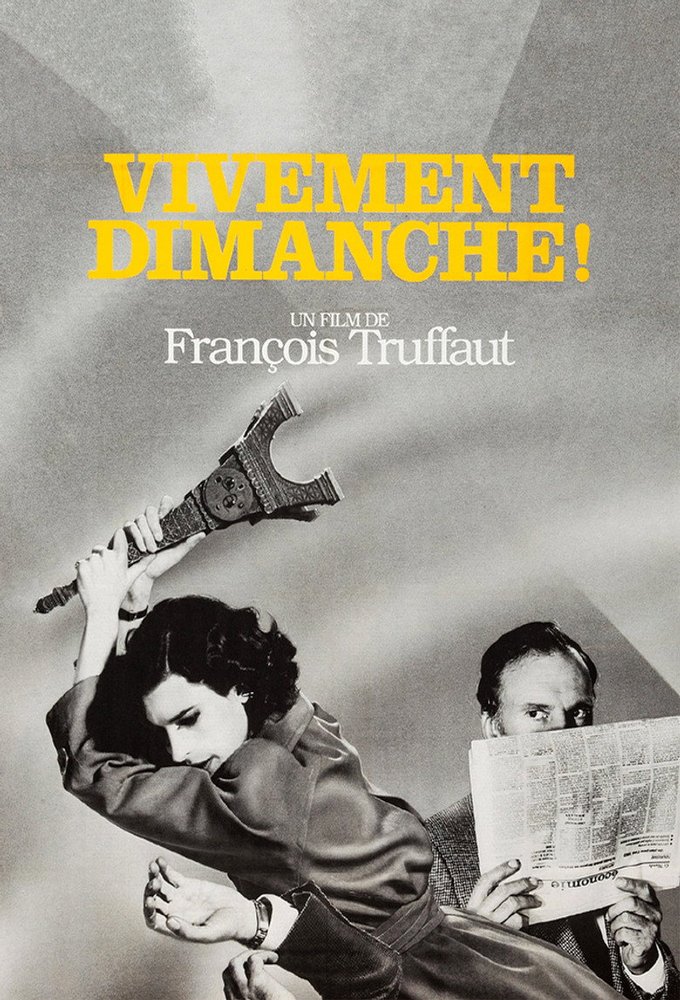
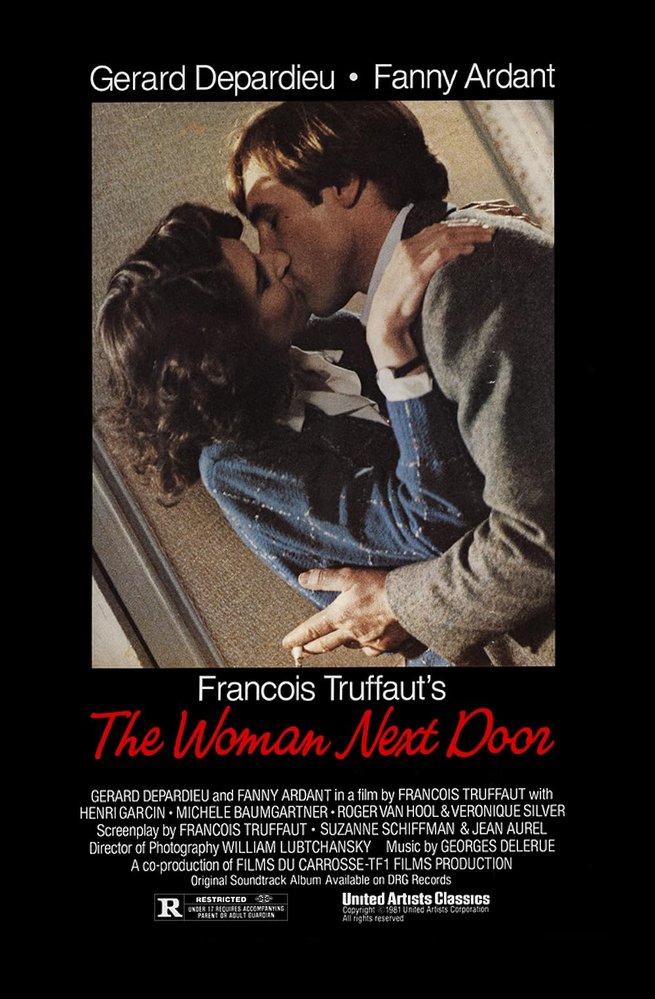
Directed by François Truffaut from a script he wrote with Suzanne Schiffman and Jean Aurel, the romantic drama from France The Woman Next Door (French La Femme d'à côté) was released in 1981. Its story echoes the medieval legend of Tristan and Iseult, moved into a circle of young middle-class people in a provincial city. Truffaut made no serious film after it, only the lighter Vivement dimanche!, and in France it drew 1,087,600 admissions, placing 39th among that year's highest earners.

Bernard Coudray (Gérard Depardieu) lives near Grenoble with his wife and young son. One day Philippe and Mathilde Bauchard move in next door, and Bernard is startled to find that Mathilde (Fanny Ardant) was his lover years ago. Both are stunned by the coincidence, but their passion soon flares up again. The old lovers' affair becomes an obsession that threatens both marriages; Mathilde sinks into emotional breakdown and the romance turns fatal. Henri Garcin plays Philippe and Michèle Baumgartner plays Bernard's wife Arlette; Philippe Morier-Genoud, Véronique Silver and Roger Van Hool are also in the cast.

One viewer writes that the film again shows Truffaut's habit of telling stories with plain but aesthetic touches, staying realistic and never drifting into fantasy.

DirectorFrançois Truffaut

Reactions

You can pick up to 3 reactions.

Cast

Only cast members with a profile on this site are listed.

Fanny Ardant Fanny Ardant Actor · 77 years old Philippe Morier-Genoud Philippe Morier-Genoud Actor · 82 years old Gérard Depardieu Henri Garcin Véronique Silver Roger Van Hool

Through different eyes

Cinephile Looks at script, editing and directing choices; keeps a distance from formula films.

Truffaut's last serious film moves the fatal passion of the Tristan and Iseult legend into the ordinary middle-class homes of a provincial town, and that contrast is its real strength. Setting a great love tragedy against an everyday backdrop of neighbourliness and married routine makes its destructiveness visible instead of romanticising passion. A story that begins by chance and turns into obsession suits Truffaut's plain but careful style well. Still, the plot rests on a coincidence to some degree: the former lover moving in right next door is a melodramatic premise the viewer has to accept from the outset. For those who do, the film is a mature study in the anatomy of passion.

History & Society Lens Asks about the period, the social background and what the work reflects.

The film looks beneath the orderly surface of middle-class marriage in the French provinces of its day. In this small world, where two couples live side by side, a passion from the past collides with respectability and family order. Mathilde's slide into emotional breakdown is also telling: the film makes a woman's mental health pay the heaviest price for passion. That is a pattern common in stories of the period, and today's viewers may well question the choice. Even so, it is an interesting period portrait of the pressures of marriage, neighbourliness and keeping up appearances.

Family Viewer Asks whether the whole household can watch it; cares about humour and heart.

This film is not suitable for children. It's about two married people rekindling an old love, which turns into an obsession that threatens both marriages. There is passion, infidelity and a severe emotional breakdown, and it's clear early on that the story is heading somewhere dark. It's one for adults to watch on their own. For a family evening, pick something else.

These are not reader reviews: they are short editorial takes written from different viewer perspectives with AI assistance. Reader reviews are below.

Reviews (0)

Log in Log in to write a review.

Comments