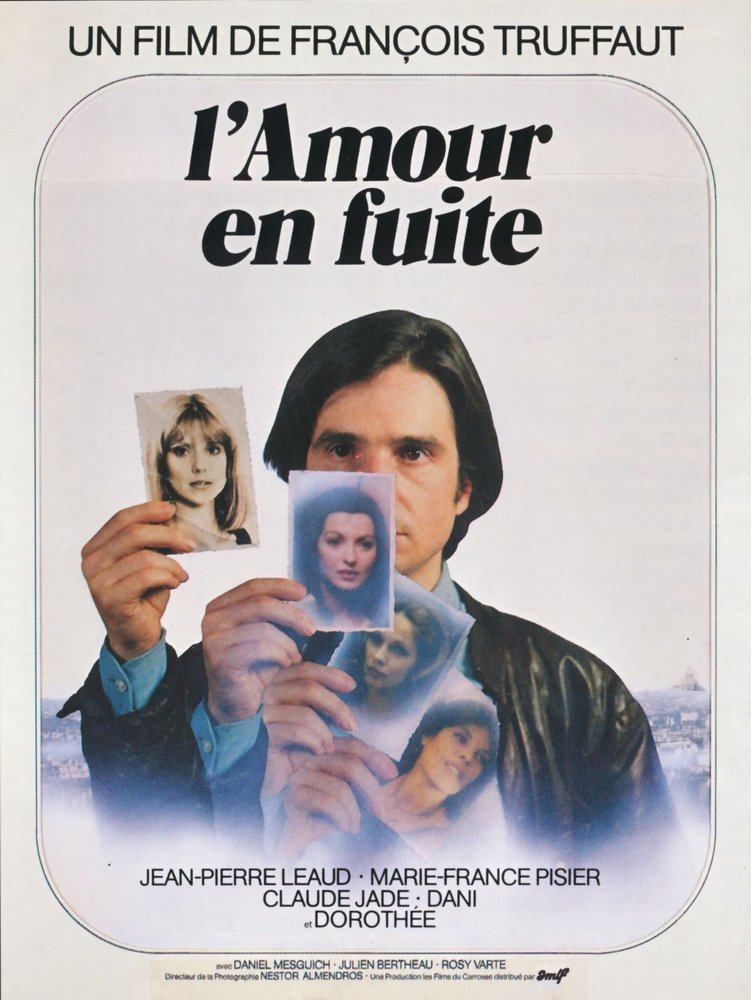
L'amour en fuite

Love on the Run (L'amour en fuite)

Movie · 1979 · 10 people

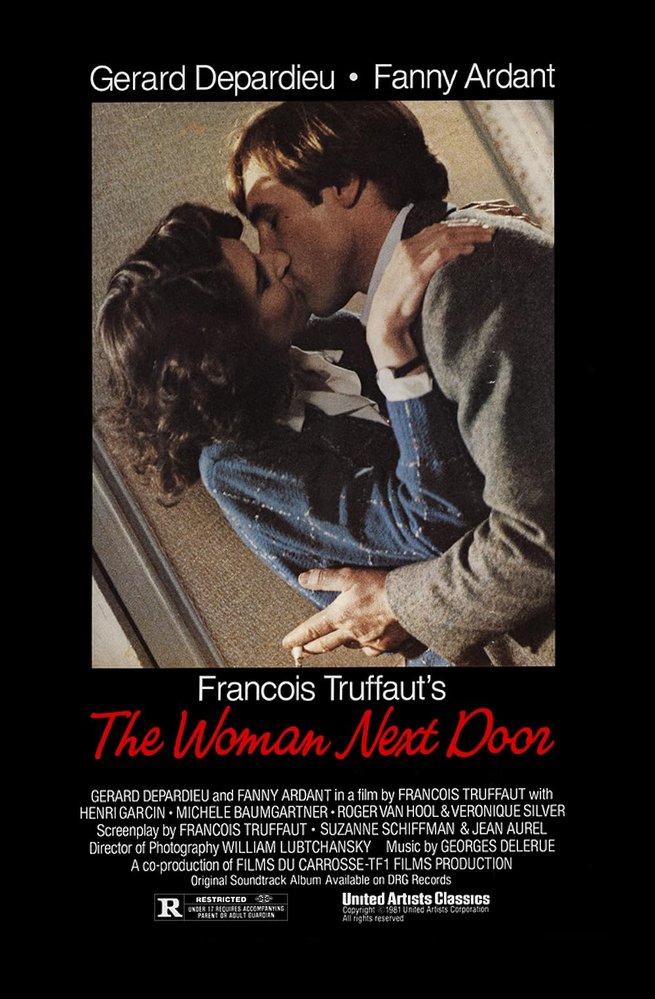
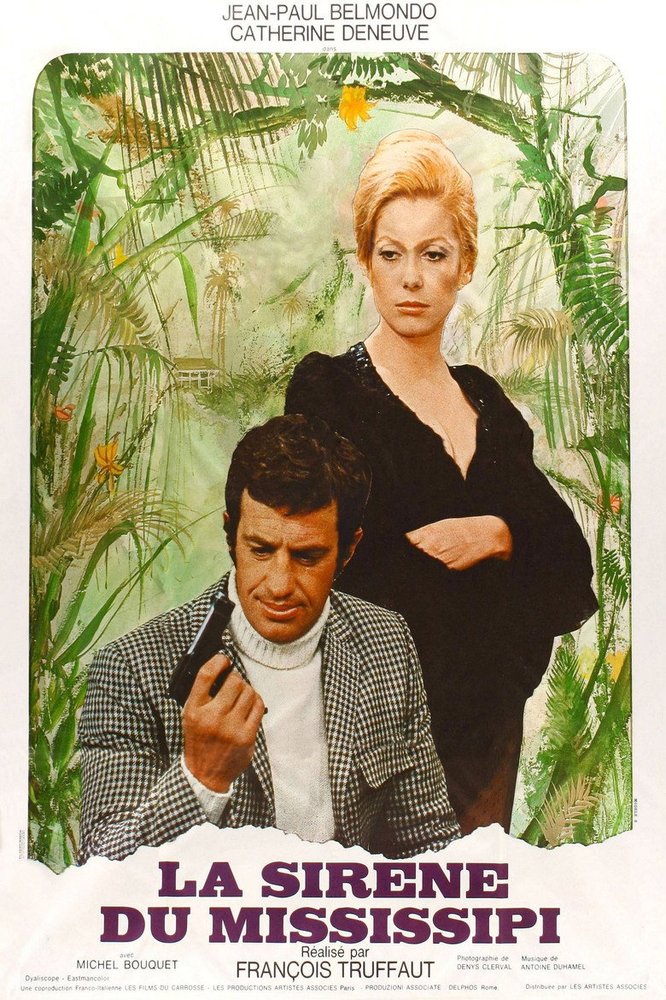
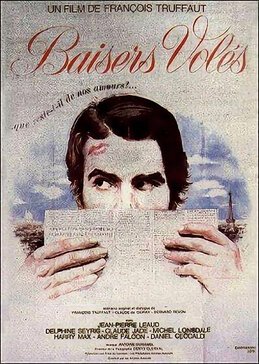
L'amour en fuite (Love on the Run) is François Truffaut's 1979 romantic comedy-drama and the fifth and last film about his character Antoine Doinel. The cycle began with the semi-autobiographical Les Quatre cents coups and continued with Antoine et Colette (1962), Baisers volés (1968) and Domicile conjugale (1970). Jean-Pierre Léaud plays Doinel once more. The film was entered into the 29th Berlin International Film Festival.

Doinel is now halfway up life's ladder. He has a musically gifted son in primary school, a soon-to-be ex-wife, Christine (Claude Jade), and a girlfriend, Sabine (Dorothée), a record-shop clerk he communicates with as badly. A past he cannot escape and lies he cannot give up keep following him. When his first love Colette (Marie-France Pisier) returns, old chapters reopen. Dani (as Liliane) and Daniel Mesguich also appear.

The story is told nonlinearly. Much of the film consists of flashbacks built from scenes of the earlier films, retracing the journey of Antoine and Christine, making it a reminder for the series' admirers and an affectionate salute to the earlier work. Truffaut, Marie-France Pisier and Jean Aurel wrote the script and Georges Delerue composed the music. It mixes colour and black-and-white and runs about 89 minutes.

DirectorFrançois Truffaut
Production companyLes Films du Carrosse

Reactions

You can pick up to 3 reactions.

Cast

Only cast members with a profile on this site are listed.

Daniel Mesguich Daniel Mesguich Stage actor · 74 years old Jean-Pierre Léaud Jean-Pierre Léaud Film actor · 82 years old Marie-France Pisier Claude Jade Dani Dorothée Julien Bertheau Jean-Pierre Ducos Alain Ollivier Julien Dubois
Through different eyes

Cinephile Looks at script, editing and directing choices; keeps a distance from formula films.

Closing Truffaut's Antoine Doinel cycle, this film is an unusual farewell to a character journey spread across five films. Its nonlinear structure, built from scenes of the earlier entries, makes the passage of time visible on Léaud's face, something few other films could offer. But that same choice is also its weak spot: the flashbacks take up so much room that the new story often feels like a compilation. Doinel's inability to let go of his lies is familiar, yet it adds nothing new to the character. For anyone who doesn't know the cycle this is no place to start; for the series' admirers it is a touching salute.

History & Society Lens Asks about the period, the social background and what the work reflects.

Made at the end of the 1970s, the film presents divorce, a broken-up family and wavering relationships not as tragedy but as an ordinary part of modern life. Doinel, caught between a soon-to-be ex-wife, a son in primary school and a new girlfriend, is a typical figure of an era in which marriage had lost its old certainties. The return of his first love makes you think about how heavy the past can weigh on this generation. The film follows that change without judging it, though the women's stories risk staying in the shadow of Doinel's point of view.

Family Viewer Asks whether the whole household can watch it; cares about humour and heart.

This is a film for adults rather than children. It is built around divorce, lies and old loves. The story moves through flashbacks and is not easy to follow; teens who don't know the earlier films in the series may lose the thread. It can be a quiet evening's choice for grown-ups who love romantic French cinema.

These are not reader reviews: they are short editorial takes written from different viewer perspectives with AI assistance. Reader reviews are below.

Reviews (0)

Log in Log in to write a review.

Comments