
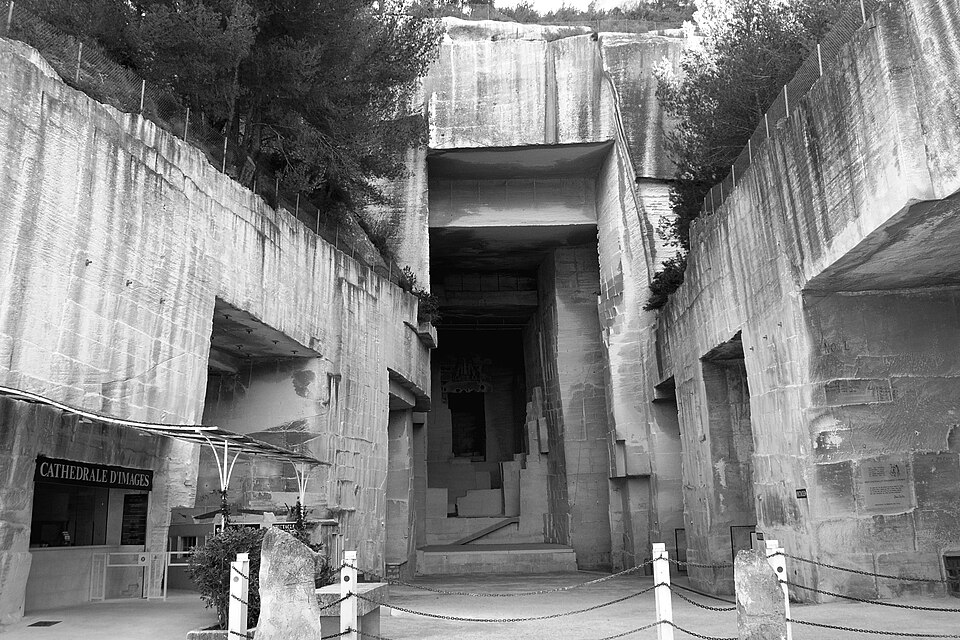
Testament of Orpheus
Written and directed by Jean Cocteau, Le Testament d'Orphée (Testament of Orpheus), a 1960 French experimental film, closes his "Orphic Trilogy," following The Blood of a Poet (1930) and Orphée (1950). Shot largely in black and white with brief bursts of color, it stars Cocteau himself, playing an 18th-century poet.
The narrative depicts the death and resurrection of the poet: struck by a bullet, Cocteau's alter ego rebounds into another time. Life and death, present and future, mythological beings and imaginary creatures, anxieties and fantasies intermingle without chronological order, forming the poet-filmmaker's testament. In one celebrated moment, Cocteau walks past his own double and turns to look back at himself — a gesture read by critics as a retrospective on his entire body of work.
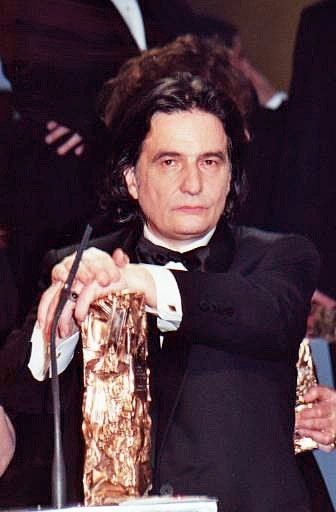
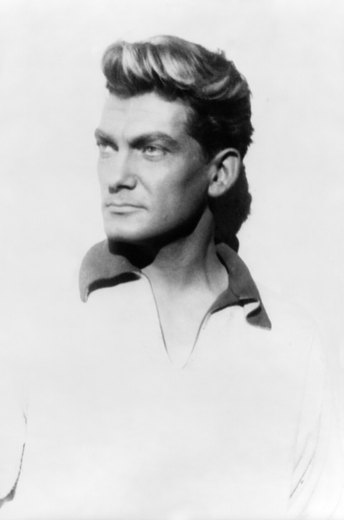
The film features cameo appearances by Jean Marais, Jean-Pierre Léaud, Charles Aznavour, Yul Brynner, and Pablo Picasso. Photographer Lucien Clergue, introduced to Cocteau by Picasso, documented the production; his stills were published as a book in 2001. The film received a BAFTA nomination for best film.
| Director | Jean Cocteau |
|---|
Reactions
You can pick up to 3 reactions.
Comments (0)