Soltane Ghalbha

King of Hearts

Movie · 1968 · 4 people

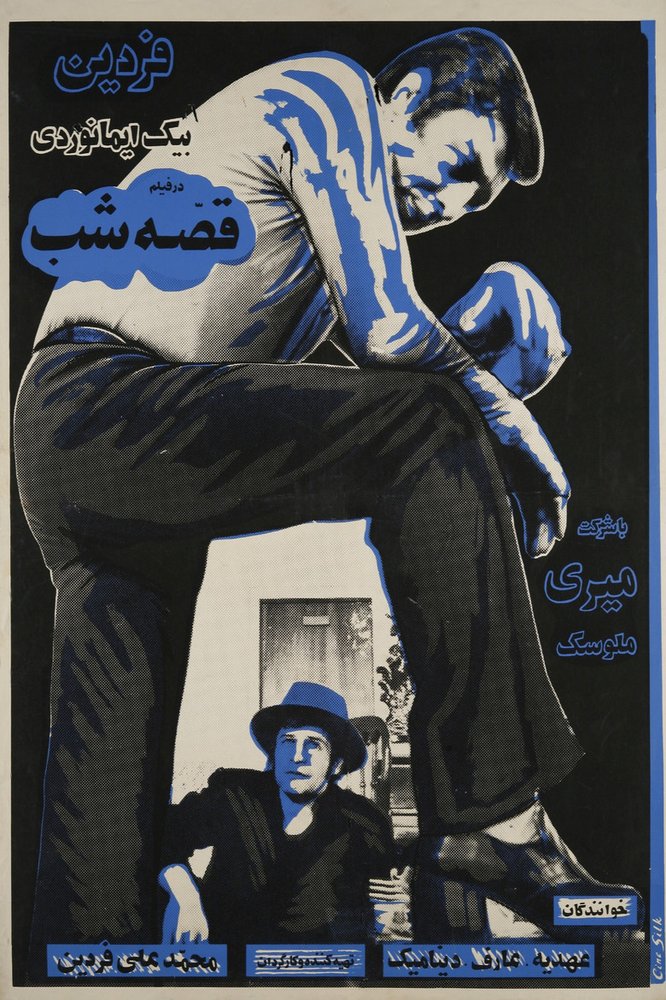
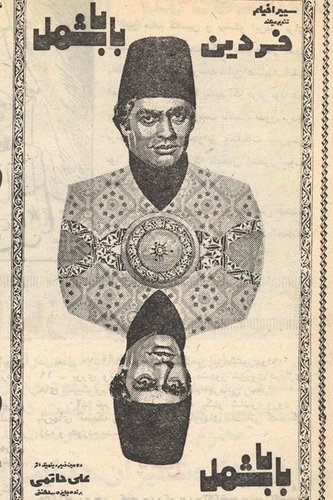
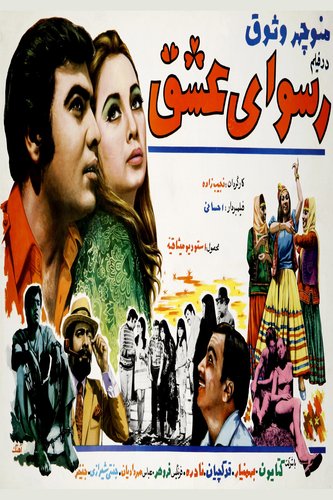
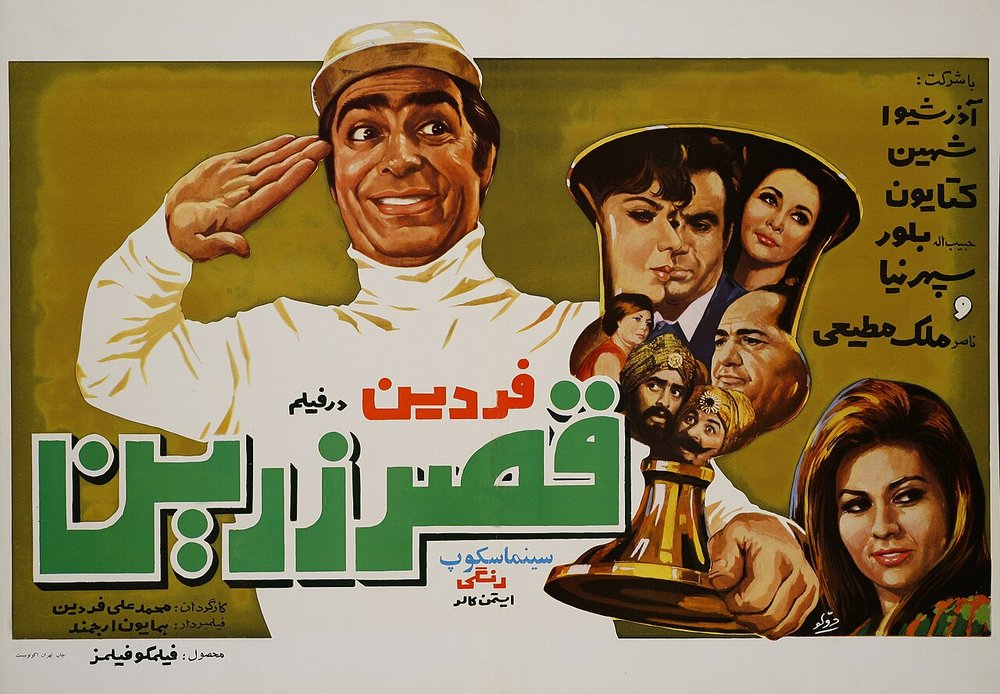
Released in 1968, the Iranian melodrama Soltane Ghalbha has a title that means "King of Hearts". Blending musical, romantic and dramatic strands, it was made by Missaghieh Studio and runs about 135 minutes. Mohammad-Ali Fardin sits in the director's chair and also takes the lead; he co-wrote the screenplay with Habibollah Kasmai. Often counted among the most widely remembered titles of Iranian cinema, it was the country's highest-grossing film of 1347 in the Iranian calendar (1968), the year of its release.

Alongside Fardin the cast features Azar Shiva and Victoria Nerssisian, while Leila Forouhar appears at a very young age. Humayun Tebrizyan, Mohammadtaghi Kohanmouei and Gholamhossein Bahmanyar are also among the players. Music shapes the whole film: pianist Anoushiravan Rohani composed the songs and wrote their lyrics. The singing parts of the on-screen actors were performed by Aref Arefkia and Ahdieh, who also dubbed the leads.

The film's reach extended beyond Iran. Its main song was re-recorded in Turkey by Emel Sayın, and its music was reused in many Turkish productions. Closely tied to Fardin's stardom, it is regarded as a key example for anyone trying to understand the popular Iranian cinema of its day.

DirectorMohammad-Ali Fardin
Production companyMissaghieh Studio

Reactions

You can pick up to 3 reactions.

Cast

Only cast members with a profile on this site are listed.

Through different eyes

Yeşilçam Nostalgic A viewer raised on the classics, looking for warm storytelling and strong acting.

That its main song was re-recorded in Turkey by Emel Sayın says plenty about how far this film's feeling travelled. Fardin stands both behind and in front of the camera in a melodrama that blends love, sorrow and song with a warmth recalling Yeşilçam at its most heartfelt. Anoushiravan Rohani's songs are its true heart. There is a curious sense of kinship in watching a neighbouring cinema draw on the very same emotions. For viewers unafraid of tears and happy to surrender to a good song, it is a film that lingers.

Cinephile Looks at script, editing and directing choices; keeps a distance from formula films.

The way into Soltane Ghalbha is to see it as a star vehicle: Fardin directs, co-writes and leads, and the whole film is built around his screen presence. Its mix of musical, romantic and dramatic strands lays bare the formula of the popular cinema of its day. The song sequences set the rhythm, but a running time of about 135 minutes dilutes that rhythm at times, and the dramatic tension tends to scatter between numbers. With other artists supplying the leads' singing and speaking voices, the performances are also hard to judge on their own terms. Still, for anyone studying Iranian popular cinema and its star system, it is an essential document, significant more for its bond with audiences than for any artistic daring.

History & Society Lens Asks about the period, the social background and what the work reflects.

Being Iran's highest-grossing film of 1968, the year 1347 in the Iranian calendar, makes Soltane Ghalbha a window onto the audience taste of its time. This mix of music, romance and melodrama shows what Iran's popular cinema offered a mass audience in those years. Most striking is how the film crossed borders: its main song was re-recorded in Turkey by Emel Sayın, and its music was reused in many Turkish productions. It is a fine example of how close an emotional world the two countries' popular cultures shared back then. So closely tied to Fardin's stardom, it also prompts reflection on how a film industry organised itself around a single star.

These are not reader reviews: they are short editorial takes written from different viewer perspectives with AI assistance. Reader reviews are below.

Reviews (0)

Log in Log in to write a review.

Comments