La Cage aux Folles 3: The Wedding

La Cage aux Folles 3: The Wedding

Movie · 1985 · 8 people

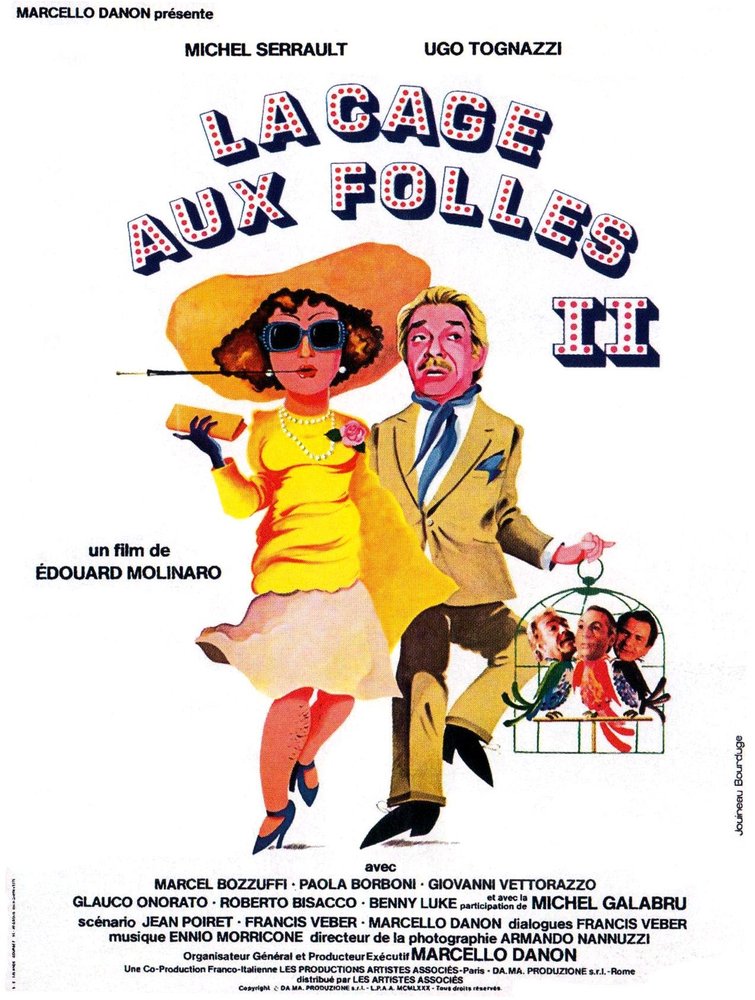
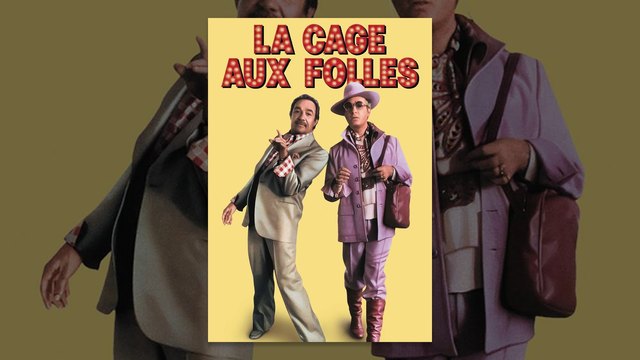
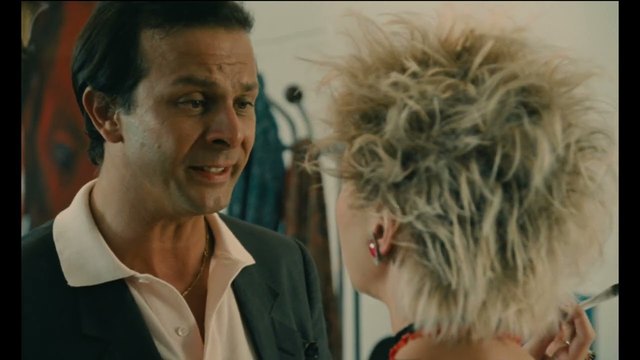
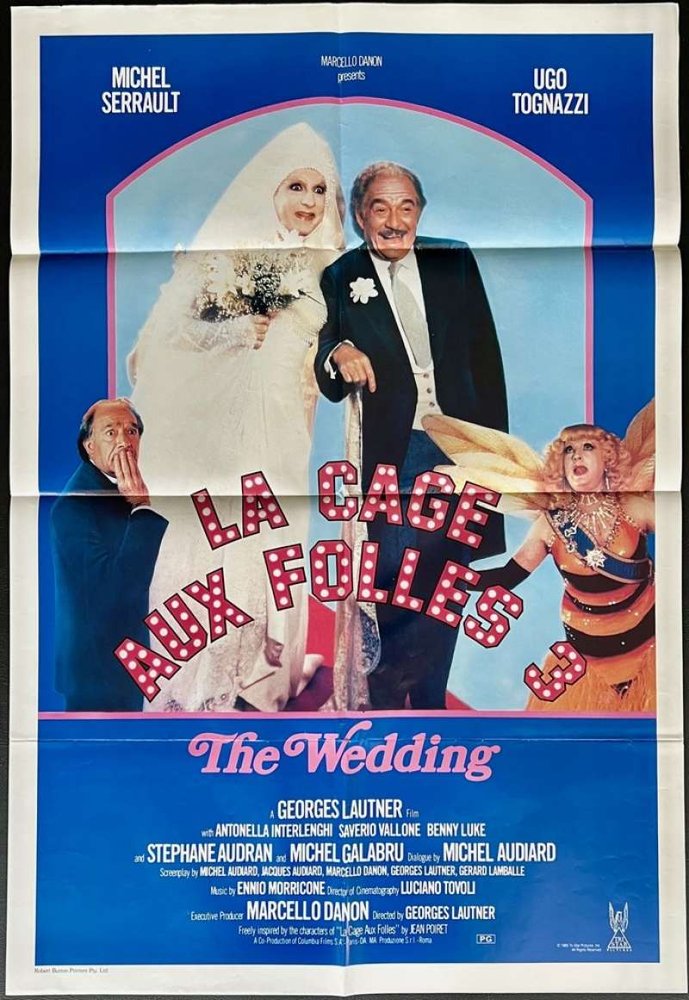
The third and last La Cage aux Folles film, about an older gay couple, closed a run often described as a successful trilogy. Titled La Cage aux Folles 3: The Wedding in English and La Cage aux folles 3 – “Elles” se marient in French, it is a French-Italian comedy from 1985. Shot in French, it runs 87 minutes.

Édouard Molinaro directed the first two films, while Georges Lautner took over for the third. Lautner wrote the screenplay with Michel Audiard and Christine Carère. Familiar faces from the series, Michel Serrault, Ugo Tognazzi and Michel Galabru, are back in the cast, joined by Antonella Interlenghi, Stéphane Audran, Saverio Vallone, Benny Luke and Umberto Raho.

The film opened in France on 20 November 1985. In Germany it reached cinemas on 30 January 1986, its VHS release followed on 19 August, and it was first shown on television on Sat.1 on 8 April 1991. In Italy it was released as Matrimonio con vizietto, and in Germany as Ein Käfig voller Narren – Jetzt wird geheiratet.

DirectorGeorges Lautner

Reactions

You can pick up to 3 reactions.

Cast

Only cast members with a profile on this site are listed.

Michel Serrault Michel Serrault Actor · died at 79 Michel Galabru Michel Galabru Film actor · died at 93 Ugo Tognazzi Antonella Interlenghi Saverio Vallone Benny Luke Stéphane Audran Umberto Raho

Through different eyes

Cinephile Looks at script, editing and directing choices; keeps a distance from formula films.

A change of director for the trilogy's final chapter makes it impossible not to ask where the series' spirit has gone. Georges Lautner takes over the balance Molinaro built in the first two films, and Michel Audiard's presence among the writers raises hopes for dialogue-driven comedy. The reunion of Serrault, Tognazzi and Galabru is the film's firmest footing: the characters are familiar now and need no introduction. But that familiarity also sets a limit. The classic problem of third instalments is felt here too; the idea is repeated rather than renewed, and the comedy is far from the fresh surprise of the first film. For fans of the series, a familiar farewell.

History & Society Lens Asks about the period, the social background and what the work reflects.

In the mid-eighties, sustaining a series centred on an older gay couple across three films was remarkable for mainstream European comedy. La Cage aux Folles presents the couple not as side characters or a one-off joke but as a family audiences had grown attached to over the years. The word “Elles”, set in quotation marks in the French title, sums up the series' humour of playing with gender roles. Seen today, some of the jokes may seem to lean on stereotypes; yet in its own time, bringing these characters to the screen as beloved heroes can be read as a sign of change in itself.

Family Viewer Asks whether the whole household can watch it; cares about humour and heart.

This is not a film to watch on its own. It is the third in the series and much more fun if you know the characters. If you have not seen the first two, I would start with those. In my view the comedy speaks mostly to adults; the jokes come from the dialogue and the characters' ways. It is not a good pick for small children, but it can be enjoyed with grown-ups who love the series.

These are not reader reviews: they are short editorial takes written from different viewer perspectives with AI assistance. Reader reviews are below.

Reviews (0)

Log in Log in to write a review.

Comments