Vengo

Vengo

Movie · 2000 · 9 people

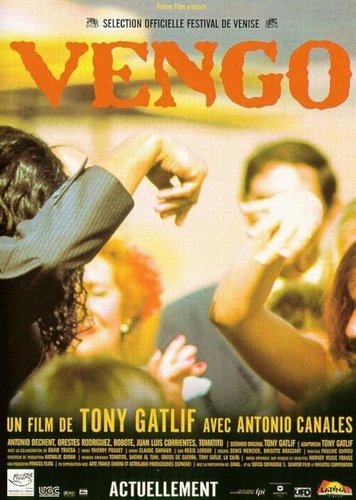
France, Spain, Germany and Japan co-produced Vengo, a musical drama from 2000. Tony Gatlif directed it and wrote the screenplay with David Trueba. The film is about two Andalusian gypsy families locked in an age-old struggle for power and a blood feud, with flamenco song and dance serving almost as the narrative's backbone. It screened at the Istanbul Film Festival in 2001 and received a special jury prize.

At the centre is Caco: proud, handsome, a good family man and respected in his community. The death of his beloved daughter shakes him to the core; he often visits her grave and turns his protective instinct toward his nephew Diego. Diego's father, Caco's brother, is in hiding for having killed a member of the Caravaca family. The Caravacas are powerful too; they seek revenge, and when Caco refuses to betray his brother they threaten to kill Diego. Caco realises the cycle of death has to be broken somehow, but how to do it while protecting everyone he loves is unclear.

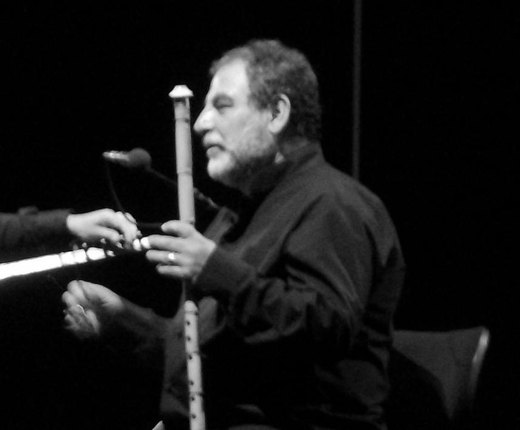
Antonio Canales plays Caco and Antonio Dechent plays Primo Alejandro. The cast also includes Tomatito, Cheikh Ahmad Al-Tûni, La Paquera de Jerez and the Turkish ney player Kudsi Ergüner, with a performance by Maria del Carmen Salazar ("La Caita").

DirectorTony Gatlif

Reactions

You can pick up to 3 reactions.

Cast

Only cast members with a profile on this site are listed.
Kudsi Ergüner Kudsi Ergüner Composer · 74 years old Antonio Canales Antonio Dechent Tomatito Cheikh Ahmad Al-Tûni La Paquera de Jerez Gemma Mónika Juhász Miczura La Caita
Through different eyes

Cinephile Looks at script, editing and directing choices; keeps a distance from formula films.

Gatlif uses flamenco here not as decoration but as the backbone of the narrative; the song and dance scenes carry the plot's emotional weight instead of ornamenting it. It is a bold choice and the film's greatest strength. The same choice carries a risk, though: the blood-feud story sometimes recedes behind the music, and the dramatic tension can seem diffuse to viewers who expect a conventional narrative structure. Adding Kudsi Ergüner's ney alongside the flamenco is an interesting move that keeps the film's musical world from being confined to a single tradition. The special jury prize at the Istanbul Film Festival shows the blend struck a chord there too.

History & Society Lens Asks about the period, the social background and what the work reflects.

Vengo looks at how family ties, honour and blood feud intertwine in Andalusian gypsy communities. Caco's refusal to betray his brother lays bare the tension between individual conscience and loyalty to family, a conflict that will not feel foreign to Turkish viewers who know what a blood feud means. The film's value lies not in judging the cycle of violence from outside but in showing the social pressure that sustains it and how hard it is to break. With music standing out as the community's shared memory, the culture becomes the story itself rather than a backdrop.

Family Viewer Asks whether the whole household can watch it; cares about humour and heart.

This is a heavy film for family viewing, especially with children. A father's loss of his daughter, a blood feud and death threats sit right at the heart of the story. For teenagers and adults, the music and dancing can make it worthwhile. It suits grown-ups who love flamenco or are curious about other cultures; for little ones, pick another film.

These are not reader reviews: they are short editorial takes written from different viewer perspectives with AI assistance. Reader reviews are below.

Reviews (0)

Log in Log in to write a review.

Comments