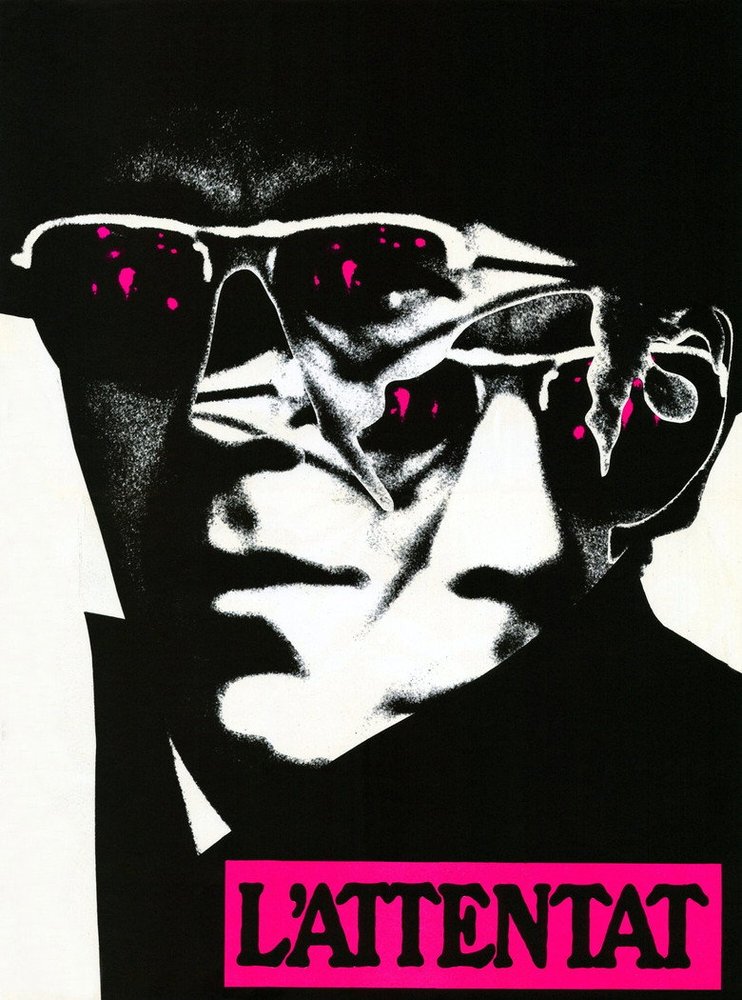
The Common Man

The Common Man (Dupont Lajoie)

Movie · 1975 · 3 people

French drama Dupont Lajoie, known internationally as The Common Man, was directed by Yves Boisset. Shot in 1974 and released in 1975, it runs about 100 minutes, with Jean Carmet in the lead. Entered in the competition of the 25th Berlin International Film Festival, it won the Silver Bear - Special Jury Prize there.

Besides Carmet, the cast includes Isabelle Huppert, Jean-Pierre Marielle, Jacques Villeret, Jean Bouise, Pino Caruso, Ginette Garcin, Henri Garcin, François Cadet, Jacques Chailleux, Jacques Ramade, Jean-Claude Rémoleux, Jean-Jacques Delbo and Michel Peyrelon. Jean-Pierre Bastid wrote the screenplay with Boisset, and Sofracima produced. In the same year Bastid and Michel Martens turned the story into a novel of the same name.

The film travelled under different titles: Rape of Innocence in the United States, Crónica de una violación in Spanish, Monsieur Dupont in Germany (on television with the added subtitle "Incident on the Côte d'Azur") and, for its Soviet release, a title meaning "It Happened on a Holiday". Its German broadcasts began on 11 October 1976 on ZDF and on 30 March 1985 on East German television's first channel. It also took two further awards at the Berlin festival.

DirectorYves Boisset
Production companySofracima

Reactions

You can pick up to 3 reactions.

Cast

Only cast members with a profile on this site are listed.
Through different eyes

Cinephile Looks at script, editing and directing choices; keeps a distance from formula films.

Yves Boisset's Dupont Lajoie is a tough drama that plays on the ordinariness its international title stresses. With Jean Carmet in the lead and names such as Isabelle Huppert, Jean-Pierre Marielle and Jacques Villeret around him, the cast gathers the strong acting tradition of 1970s French cinema. Its Silver Bear - Special Jury Prize at the 25th Berlin International Film Festival suggests its aim of treating a disturbing subject seriously found recognition. The American title, Rape of Innocence, is a plain warning of how hard the film goes. Subjects like this can easily slide into exploitation; watching where the film draws that line should be the real measure of any judgement.

History & Society Lens Asks about the period, the social background and what the work reflects.

The stress on the common man in the international title suggests a film that looks for evil not in monsters but in everyday people. The German TV subtitle and the title of its Soviet release point to events taking place on holiday, on the Côte d'Azur; that an innocent stretch of time like a holiday becomes the setting for something dark is a social question in itself. Shot in 1974 and released in 1975, the film was turned into a novel that same year. Its television broadcasts in West Germany in 1976 and East Germany in 1985 show that the story found viewers on both sides of the Cold War.

Family Viewer Asks whether the whole household can watch it; cares about humour and heart.

This is not a film to sit down and watch with the family. Its American title is Rape of Innocence, and its Spanish title also names a rape, so the subject is heavy. I don't consider it suitable for children or teenagers. For adults it may be a serious, award-winning drama. But if you want something everyone can watch together after dinner, pick another film.

These are not reader reviews: they are short editorial takes written from different viewer perspectives with AI assistance. Reader reviews are below.

Reviews (0)

Log in Log in to write a review.

Comments