Stavisky

Stavisky

Movie · 1974 · 4 people

In 1974 Alain Resnais directed the French-Italian biographical drama Stavisky. It tells the story of Alexandre Stavisky, a financier and embezzler who stood at the centre of a major political scandal in 1930s France, and of the circumstances behind his mysterious death in 1934. The screenplay was written by the Spanish author Jorge Semprún. The film was nominated for the Palme d'Or at Cannes, and Charles Boyer won awards for his performance at both Cannes and the New York Film Critics Circle.

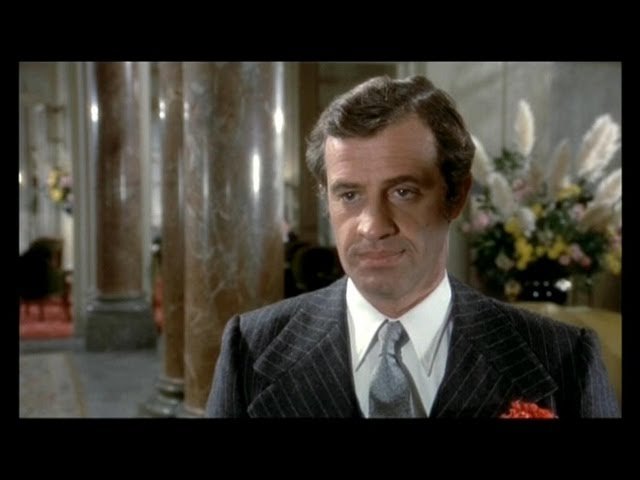
Jean-Paul Belmondo plays Stavisky, with Anny Duperey as his wife Arlette. The story follows the collapse of a man who lived lavishly and built a fortune on fraudulent deals worth millions. The affair that erupted after his death became known as the Stavisky Affair: fatal riots broke out in Paris, two prime ministers resigned and the government of the Third Republic changed. The cast also includes François Périer, Michael Lonsdale, Claude Rich, Gérard Depardieu and Niké Arrighi.

The film was shot in French and runs about two hours. Its music was composed by Stephen Sondheim; together with Resnais's direction and Semprún's script, it carries a real scandal and the atmosphere of its era to the screen.

DirectorAlain Resnais

Reactions

You can pick up to 3 reactions.

Cast

Only cast members with a profile on this site are listed.

Through different eyes

Cinephile Looks at script, editing and directing choices; keeps a distance from formula films.

Alain Resnais treats Stavisky not as a routine rise-and-fall story but as something set inside the atmosphere of an era. By focusing on the circumstances around a lavish life's collapse and a mysterious death, Jorge Semprún's screenplay turns the biopic into a portrait of its time. Jean-Paul Belmondo channels his familiar energy into the glitter of a charming swindler, which makes it believable that so many people were won over. Stephen Sondheim's score builds an elegant bridge between the sparkle and the rot beneath it, and Charles Boyer's award-winning turn at Cannes shows the strength of the ensemble. At about two hours it drags in places, and its detached style will not draw everyone in; but this is an ambitious film that thinks about a real scandal through both mood and form.

History & Society Lens Asks about the period, the social background and what the work reflects.

The film centres on a real scandal that shook 1930s France. The fortune Alexandre Stavisky built on fraudulent deals worth millions says more than one man's trickery: it shows how fragile the ties between money, politics and reputation can be. The Stavisky Affair that erupted after his death led to fatal riots in Paris, the resignation of two prime ministers and a change of government in the Third Republic. That background lends real weight beneath the film's glamorous surface. It is instructive for anyone curious about the period, though it is worth knowing going in that you are watching one man's downfall more than the political aftermath.

Action & Thriller Fan Puts pace, tension and set pieces first; little patience for slow drama.

A real fraud scandal, a mysterious death and Belmondo in the lead: on paper it sounds thrilling. But don't expect a tension-pumping crime film. For me its roughly two hours lean far too heavily on atmosphere and dialogue, and anyone after pace may find it heavy going. If you love history and politics, give it a shot; if you want a fast con-man caper, look elsewhere.

These are not reader reviews: they are short editorial takes written from different viewer perspectives with AI assistance. Reader reviews are below.

Reviews (0)

Log in Log in to write a review.

Comments