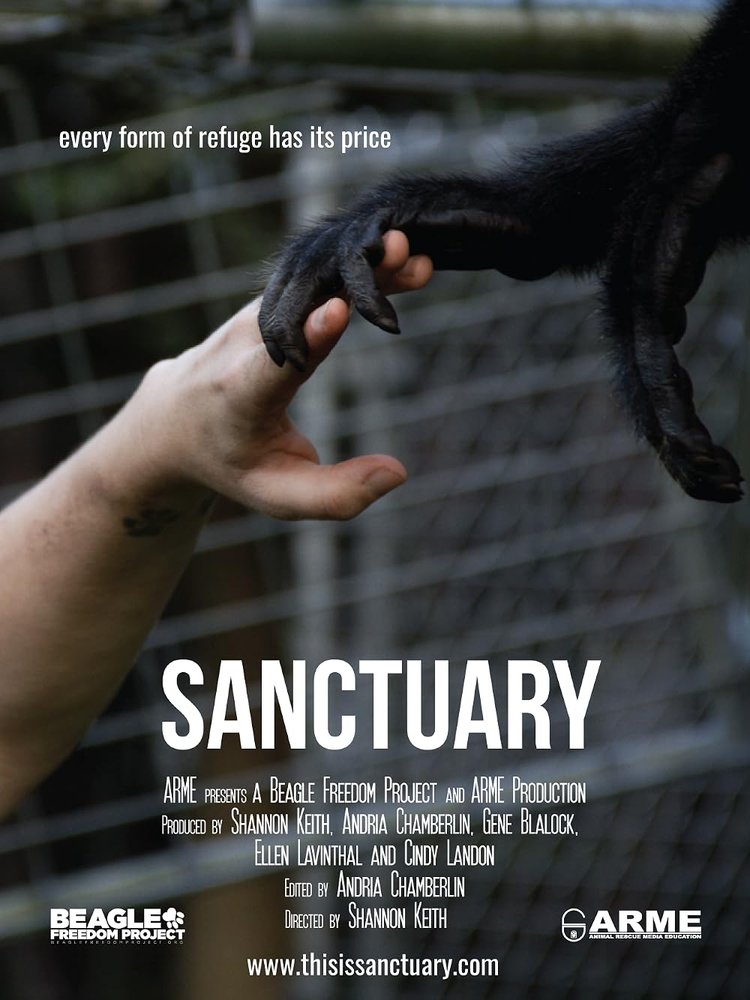
Sanctuary

Sanctuary (Freistatt)

Movie · 2015 · 12 people

Marc Brummund directed Sanctuary, titled Freistatt in German, a 2015 German drama, and wrote the screenplay with Nicole Armbruster. Through one personal story, the film deals with the degrading and violent methods used in church-run children's homes in the late 1960s. It rests on the testimony of a former ward of a diaconal institution. Filming took place around the Freistatt centre where the events happened, backed by the von Bodelschwingh foundations in Bethel, which ran it in 1968.

The story is set in the summer of 1968. Fourteen-year-old Wolfgang, in conflict with his stepfather, is placed by the youth office in a Christian educational institution at Freistatt. There a military-style order rules: staff are called "brother", the boys do hard labour in a peat bog, and the whole group is punished when one breaks a rule. Wolfgang refuses to bow to the house father, Brockmann, and pays for his escape attempts with beatings and hunger. Louis Hofmann plays Wolfgang; the cast includes Katharina Lorenz, Uwe Bohm, Alexander Held, Stephan Grossmann and Max Riemelt.

The film premiered at the Max Ophüls Preis festival, where it won the audience award and the youth jury prize, and it opened in cinemas on 25 June 2015. It was among eight films on Germany's shortlist for its Best Foreign Language Film submission at the 88th Academy Awards; the choice went to Labyrinth of Lies.

DirectorMarc Brummund

Reactions

You can pick up to 3 reactions.

Cast

Only cast members with a profile on this site are listed.
Uwe Bohm Uwe Bohm Actor · died at 60 Louis Hofmann Katharina Lorenz Alexander Held Stephan Grossmann Max Riemelt Anna Bullard-Werner Langston Uibel Megan Gay Hans Peter Korff Katharina Schütz Hendrik von Bültzingslöwen

Through different eyes

History & Society Lens Asks about the period, the social background and what the work reflects.

Sanctuary makes the degrading and violent methods of church-run children's homes in the late 1960s visible through a single boy's story. Setting it in the summer of 1968 is a reminder of how recent this order was. That a youth office could send a boy in conflict with his stepfather to an institution run on military discipline shows a mindset in which state and church chose to discipline children rather than protect them. It matters, too, as an act of reckoning, that the film rests on a former ward's testimony and that the foundations which ran the institution at the time supported the shoot.

Cinephile Looks at script, editing and directing choices; keeps a distance from formula films.

Brummund chooses to tell his material without turning it into sensation; the oppression is built less through individual acts of violence than through the workings of the system itself, such as punishing the whole group when one boy breaks a rule. That approach is the film's greatest strength. Its weakness is a predictable structure: the rebellious boy, the escape attempts and their price. It rarely leaves the familiar loop of institution dramas, and a sense of repetition sets in as it goes on. The audience award and the youth jury prize show it speaks a language that reaches a wide audience, but formally it is a safe film that avoids risk.

Family Viewer Asks whether the whole household can watch it; cares about humour and heart.

It is based on real testimony and it is harsh. A boy being punished with beatings and hunger for trying to escape is not suitable for younger children. It can be watched with teenagers over fifteen, and it may even be a good opening for a conversation about children's rights and violence in institutions. Just know what you're getting into beforehand.

These are not reader reviews: they are short editorial takes written from different viewer perspectives with AI assistance. Reader reviews are below.

Reviews (0)

Log in Log in to write a review.

Comments