Leopar

The Leopard (Le Guépard)

Movie · 1963 · 15 people

Luchino Visconti directed The Leopard (Italian: Il Gattopardo) in 1963, an Italian-French period drama. It adapts Giuseppe Tomasi di Lampedusa's novel of the same name (1958, posthumous). It won the Palme d'Or at Cannes in May 1963 and earned an Oscar nomination for costume design. With over 3.5 million tickets in France and nearly 13 million overall, it ranks among the most-watched Italian films.

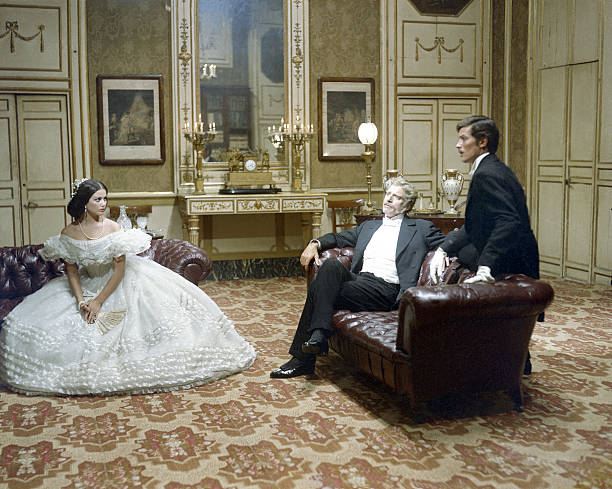
The story is set in Sicily in 1860, during Italian unification (the Risorgimento). Don Fabrizio, Prince of Salina (Burt Lancaster), is uneasy at the pace of change around him. His nephew Tancredi (Alain Delon) marries Angelica (Claudia Cardinale), the daughter of a rich merchant, and thus helps the family adapt. At a lavish ball, the prince grasps that the middle class's rise is unstoppable. Paolo Stoppa, Rina Morelli, Romolo Valli, Serge Reggiani and Terence Hill also appear, and the film runs about three hours.

Giuseppe Rotunno shot it, Nino Rota scored it, and Titanus and Pathé co-produced. Visconti, born into the aristocracy, later joined the Communist Party, and the tale of a fading class is said to echo his own. In 2008 the film was placed on Italy's list of 100 films to be saved, and it has inspired directors such as Scorsese, Coppola and Cimino.

DirectorLuchino Visconti
Production companyTitanus

Reactions

You can pick up to 3 reactions.

Cast

Only cast members with a profile on this site are listed.
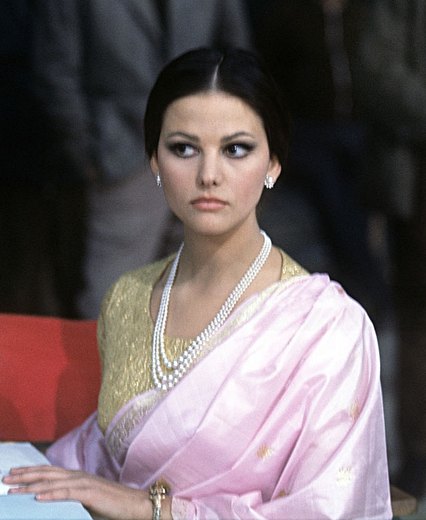
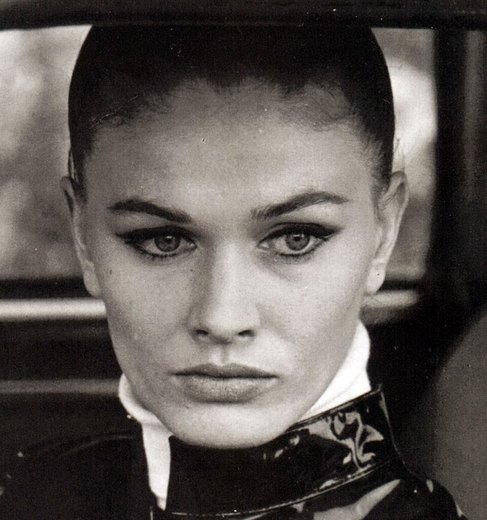
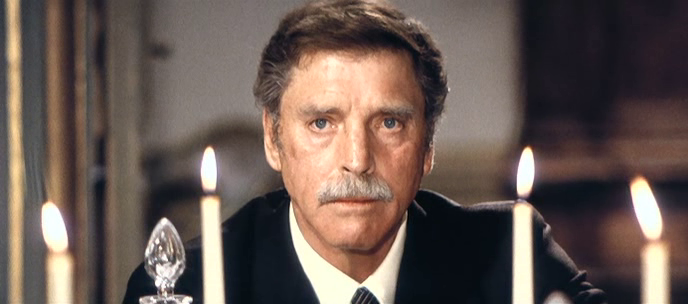
Claudia Cardinale Claudia Cardinale Actor · died at 87 Ida Galli Ida Galli Film actor · born 1939 Burt Lancaster Alain Delon Paolo Stoppa Rina Morelli Romolo Valli Terence Hill Pierre Clémenti Lucilla Morlacchi Giuliano Gemma Ottavia Piccolo Anna Maria Bottini Lola Braccini Marino Masè
Through different eyes

Cinephile Looks at script, editing and directing choices; keeps a distance from formula films.

Visconti's film is held up as an example of how a large-scale period drama can be made with an art-house sensibility, and the Palme d'Or at Cannes bears that out. Giuseppe Rotunno's images and Nino Rota's score manage to place the collapse of a class beneath a lavish surface. The grand ball, where the prince grasps that change cannot be stopped, serves as the film's dramatic centre and gives meaning to its slow rhythm. Still, the film is long and moves slowly; it speaks to viewers who want atmosphere and mood more than plot, and can be tiring for anyone expecting a brisk story. Having inspired directors such as Scorsese and Coppola shows how its influence has carried across generations.

History & Society Lens Asks about the period, the social background and what the work reflects.

The film portrays 1860 Sicily, as Italian unification takes shape, through the window of the aristocracy, reading a historical transformation through one family's effort to adapt. Tancredi's marriage to Angelica, a rich merchant's daughter, is almost a symbol of how the old nobility came to terms with the rising middle class. That Visconti, born into the aristocracy and later a member of the Communist Party, could look at this decline both from inside and from a critical distance takes the film somewhere more complex than a nostalgic lament. For viewers unfamiliar with the Risorgimento, some of the political background may seem to hang in the air at first.

Family Viewer Asks whether the whole household can watch it; cares about humour and heart.

A long, slow-moving period drama; it will be hard to hold small children's attention to the end. Watching it with high-school teenagers who like history can be a good idea, though, since it offers a nice chance to talk about Italian unification. For grown-ups, the costumes, the ball and the music are a feast in themselves. Splitting it into two sittings is the easiest way.

These are not reader reviews: they are short editorial takes written from different viewer perspectives with AI assistance. Reader reviews are below.

Reviews (0)

Log in Log in to write a review.

Comments