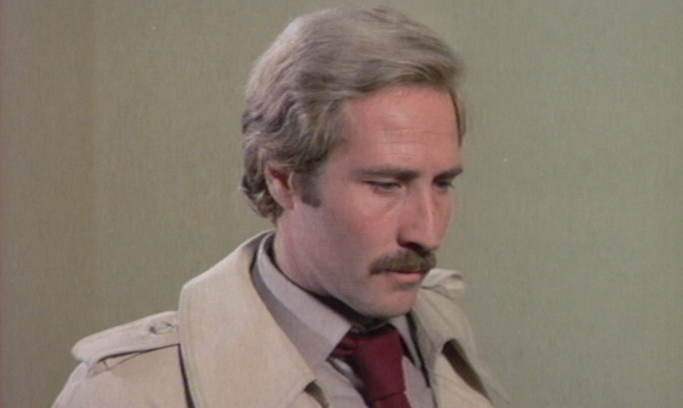
Violent Rome
Photo: Wikimedia Commons · Marino Girolami (director) / Fausto Zuccoli (cinematographer) · CC BY-SA 4.0

Violent Rome (Roma violenta)

Movie · 1975 · 15 people

Roma violenta (Violent Rome) is a 1975 Italian poliziottesco, a hard-edged police and crime film, blending crime, thriller and action. Marino Girolami directed it from a screenplay by Vincenzo Mannino. The film, about 86 minutes long, was a big commercial success in Italy and made Maurizio Merli a star. It is also the first entry in the Commissioner Betti trilogy, which was completed by two sequels in 1976.

At its centre is Commissioner Betti, played by Merli, a police officer hardened by the death of his brother in a deadly robbery. He wants to fight crime without compromise, but soon after, the shooting of a young man on a bus in the middle of the city reopens his old wound. Eager to punish the guilty without delay, Betti uses hasty, heavy-handed methods that finally cost him his post. Thrown off the force, he joins a committee of citizen vigilantes who share his anger at criminals going unpunished. Alongside Merli, the cast includes Richard Conte, Silvano Tranquilli, Ray Lovelock, John Steiner and Daniela Giordano.

The film stood out for its uncompromising, realism-minded violence and for a police figure given to tough talk on security. In Germany it was released as Verdammte, Heilige Stadt and in France as Rome violente.

DirectorMarino Girolami

Reactions

You can pick up to 3 reactions.

Cast

Only cast members with a profile on this site are listed.
Daniela Giordano Daniela Giordano Actor · died at 75 Benito Stefanelli Actor · died at 71 Maurizio Merli Richard Conte Silvano Tranquilli Ray Lovelock John Steiner Consalvo Dell'Arti Luciano Rossi Maria Rosaria Riuzzi Franca Scagnetti John Bartha Mario Novelli Attilio Dottesio Benito Pacifico
Through different eyes

Action & Thriller Fan Puts pace, tension and set pieces first; little patience for slow drama.

A solid way into poliziottesco, the hard-edged Italian police films of the seventies. Commissioner Betti's no-compromise attitude is the engine here; the film runs on anger and doesn't hang about. The violence is heavy, so know that going in. If that suits you, this is the first part of a trilogy, and the two sequels are an easy next step.

History & Society Lens Asks about the period, the social background and what the work reflects.

The film is an interesting period document of how crime and a sense of insecurity can turn into a political language. A commissioner thrown off the force joining a committee of citizens angry that criminals go unpunished strikes me as far too sympathetic to the idea of taking justice into your own hands. It portrays frustration with slow-moving law and seems to feed that anger rather than question it. The tough-talking police figure reflects the anxieties of the time, but offers a one-sided answer to a complicated problem. Worth watching, then, with some critical distance.

Cinephile Looks at script, editing and directing choices; keeps a distance from formula films.

Marino Girolami doesn't invent the genre's rules, but he applies them tightly: a hard, realism-minded atmosphere of violence and a structure that loads the whole story onto one angry man. That structure is both the film's strength and its weakness. The loss of Betti's brother remains almost the only explanation for who he is; in my view the script only grazes moral complexity and has little interest in questioning its hero's methods. Still, its big commercial success in Italy and the way it made Maurizio Merli a star are no accident: a figure who set the template for the films that followed is born here. Important for anyone curious about the genre's history, limited for anyone looking for depth.

These are not reader reviews: they are short editorial takes written from different viewer perspectives with AI assistance. Reader reviews are below.

Reviews (0)

Log in Log in to write a review.

Comments