Süper Jandarma
Photo: Wikimedia Commons · Rolf Gebhardt · CC BY-SA 3.0

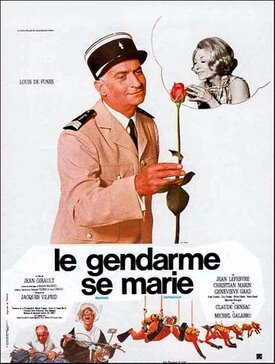
The Gendarme and the Extra-Terrestrials (Le Gendarme et les Extra-terrestres)

Movie · 1979 · 15 people

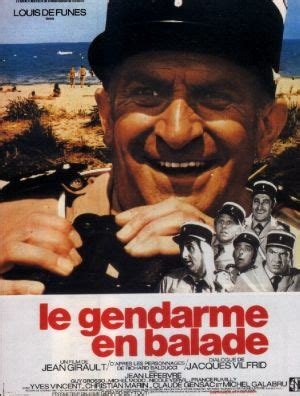
Jean Girault directed the 1979 French science-fiction comedy The Gendarme and the Extra-Terrestrials (Le Gendarme et les Extraterrestres, Turkish title Süper Jandarma). It is the fifth of six films about the gendarmes of Saint-Tropez and brings Louis de Funès back as Ludovic Cruchot nine years after Le Gendarme en balade (1970). With 6.2 million admissions in France it was the country's biggest hit of 1979.

The story pits Cruchot and the Saint-Tropez brigade against aliens who have come to study the Earth. They can take human form but are mechanical inside; the chaotic gendarmes have to stop their invasion. The brigade features Michel Galabru, Guy Grosso and Michel Modo, who have been in the series since the first film, along with newcomers Maurice Risch and Jean-Pierre Rambal. Maria Mauban plays Cruchot's wife Josépha in place of the unavailable Claude Gensac.

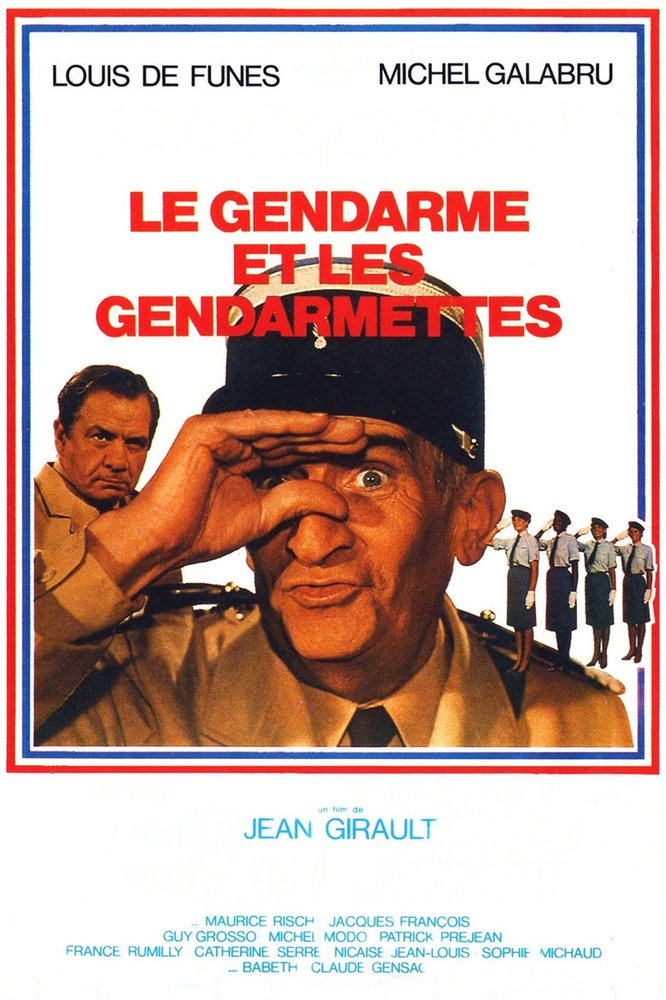
The film was the series' first venture into science fiction, a genre rare in French cinema, and it was shaped by the late-1970s science-fiction revival. Critics were harsh, yet it was a commercial triumph: 5.12 million tickets were sold in Germany, a French record there for over thirty years. The next and final film in the series is Le Gendarme et les Gendarmettes.

DirectorJean Girault

Reactions

You can pick up to 3 reactions.

Cast

Only cast members with a profile on this site are listed.

Michel Galabru Michel Galabru Film actor · died at 93 Pierre Repp Pierre Repp Actor · died at 76 Louis de Funès Maurice Risch France Rumilly Guy Grosso Michel Modo Jacques François Henri Génès Lambert Wilson Antoine Marin Carlo Nell Jacqueline Jefford Jean-Pierre Rambal Jean-Roger Caussimon
Through different eyes

Family Viewer Asks whether the whole household can watch it; cares about humour and heart.

A story that pits bewildered gendarmes against aliens grabs children's attention straight away. Creatures that pass for humans but are machines inside come across as a funny idea rather than a frightening one. Grandparents may well know Louis de Funès and the Saint-Tropez gendarmes already, so three generations can meet over the same film. In my view it is an easy family comedy from primary-school age up.

Cinephile Looks at script, editing and directing choices; keeps a distance from formula films.

Turning to science fiction after a nine-year break reads like an attempt to catch the late-1970s sci-fi wave, but here the genre feels less like a story idea than an excuse to move familiar gags onto a new set. Machines that can take human form promise a rich game of identity, of who is real and who is a copy. In my view the script leans on the usual station-house comedy routines instead of exploring that, so the critics' harsh response is understandable. Then again, being France's most-watched film of the year shows how solid the formula's bond with audiences was. The gulf between critics and box office is a more interesting subject than the film itself.

History & Society Lens Asks about the period, the social background and what the work reflects.

The film sums up late-1970s French popular cinema well: a picture the critics savaged still drew over 6 million admissions in France and over 5 million in Germany. It is a reminder that cinema was still a shared mass entertainment then, and that a star-driven series could travel across borders. That the German figure stayed unbeaten by any French film for more than thirty years is striking too. Given that comedy is the hardest genre to export, it says something that a uniformed, muddled gendarme squad felt familiar outside France. Perhaps poking fun at authority is a language every society understands.

These are not reader reviews: they are short editorial takes written from different viewer perspectives with AI assistance. Reader reviews are below.

Reviews (0)

Log in Log in to write a review.

Comments