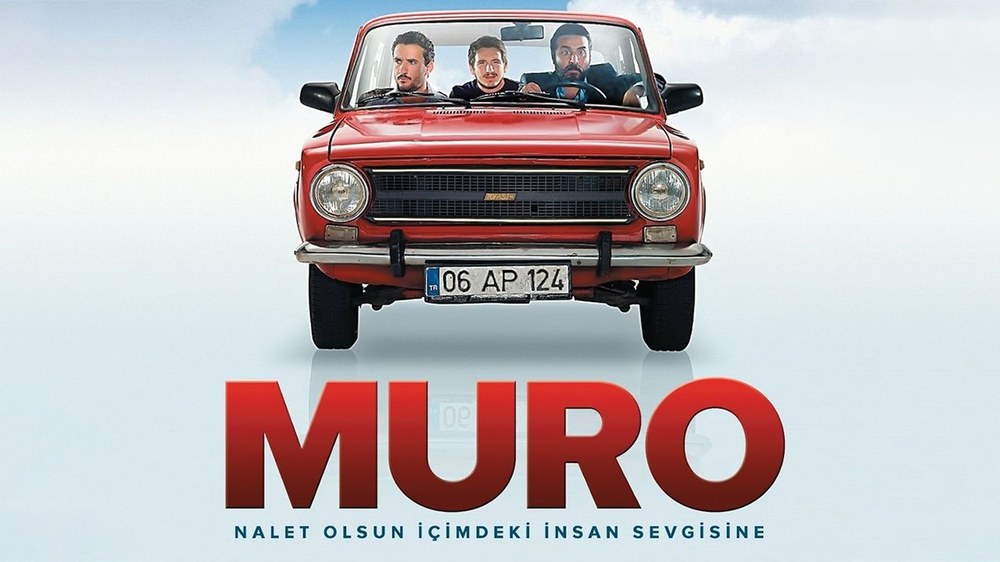
Muro: Nalet Olsun İçimdeki İnsan Sevgisine

Muro: Damn the Humanist Inside (Muro: Nalet Olsun İçimdeki İnsan Sevgisine)

Movie · 2008 · 3 people

Zübeyr Şaşmaz directed the 2008 Turkish comedy Muro: Damn the Humanist Inside for Pana Film. It is an offshoot of the Valley of the Wolves universe and brings to the screen Muro, a character from the series Valley of the Wolves: Ambush. It is a parody of revolutionaries. It opened across Turkey on 5 December 2008 and became the third highest-grossing Turkish film of the year.

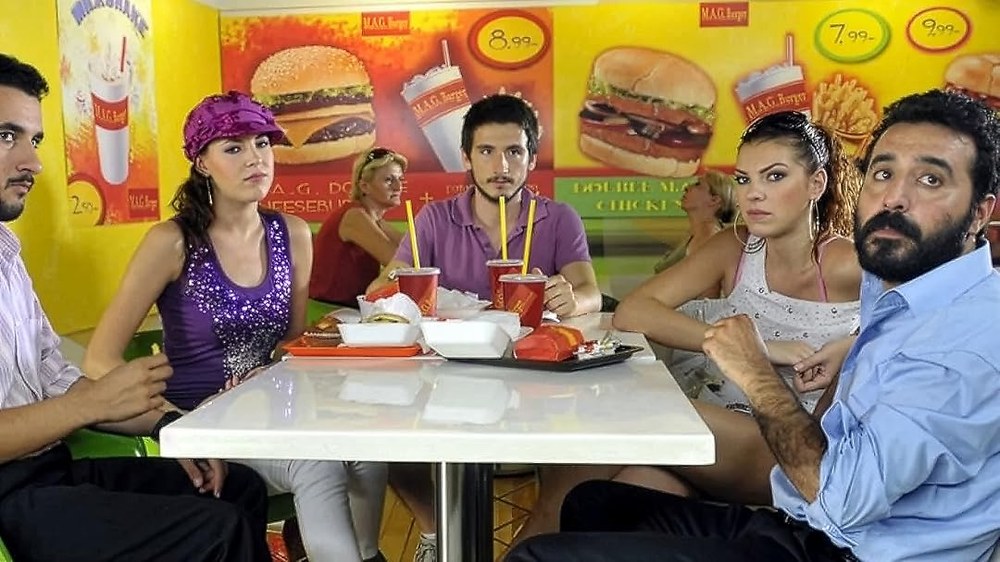
Mustafa Üstündağ plays Muro, a caricatured leftist, with Şefik Onatoğlu as his friend Çeto. After years in prison on an organisation charge, the pair go back to their home village to start the revolution there. A surprise awaits them: while they were locked up, the village headman had married both of them to Russian women. To pursue their revolution they must find the wives and divorce them, so they head to Istanbul and land in a large illegal organisation run by an old friend. Evrim Alasya, Daria Litvinova and Nataliya Bondarenko also appear.

The screenplay is credited to Cüneyt Aysan and Raci Şaşmaz. Muro's revolutionary jargon and quarrels with Çeto made him memorable on television, and his catchphrase "Damn the humanist inside me!" gave the film its title. Critics found the film weak, yet fans of the series took to the character and filled the cinemas.

DirectorZübeyir Şaşmaz
Production companyPana Film
Muro: Damn the Humanist Inside (Muro: Nalet Olsun İçimdeki İnsan Sevgisine) Muro: Damn the Humanist Inside (Muro: Nalet Olsun İçimdeki İnsan Sevgisine) Muro: Damn the Humanist Inside (Muro: Nalet Olsun İçimdeki İnsan Sevgisine)

Reactions

You can pick up to 3 reactions.

Cast

Through different eyes

Cinephile Looks at script, editing and directing choices; keeps a distance from formula films.

Muro shows plainly how hard it is to move a character who shines in short scenes on a series to the centre of a feature film. The revolutionary jargon and the bickering with Çeto may land on television, but a cinema film needs more than that: a solid dramatic structure. In my view the story that leads to Istanbul in pursuit of the Russian wives runs like loosely linked sketches, and the parody idea leans on repeated jokes instead of going deeper. So it is no surprise that critics found the film weak. Its box-office success is better explained by affection for the character than by any cinematic quality; the film makes more sense as a gift to the show's fans.

History & Society Lens Asks about the period, the social background and what the work reflects.

The film turns a familiar figure from Turkey's recent political history, the leftist who leaves prison intent on starting the revolution from his village, into a caricature. The humour draws on how familiar this figure's jargon still is to a wide audience. In my view, though, the parody hardly asks why that generation took that path or what the years in prison meant; it uses the character purely as comic material. The return to the village, the headman's decisions and the illegal organisation in Istanbul offer ground for social satire, but that ground is not used enough. Still, the audience's fondness for the character shows how politics has become a subject of everyday humour.

Family Viewer Asks whether the whole household can watch it; cares about humour and heart.

It is made to get laughs, but it is not really a family comedy. The story involves prison, an illegal organisation and humour full of political jokes; young children will miss most of them. Teenagers and adults who watched the series will have more fun. If you do not know Valley of the Wolves, the character's jokes may fall flat. Let the grown-ups take a look before the whole family watches.

These are not reader reviews: they are short editorial takes written from different viewer perspectives with AI assistance. Reader reviews are below.

Reviews (0)

Log in Log in to write a review.

Comments