Köksüz

Rootless (Köksüz) (translated)

Movie · 2013 · 12 people

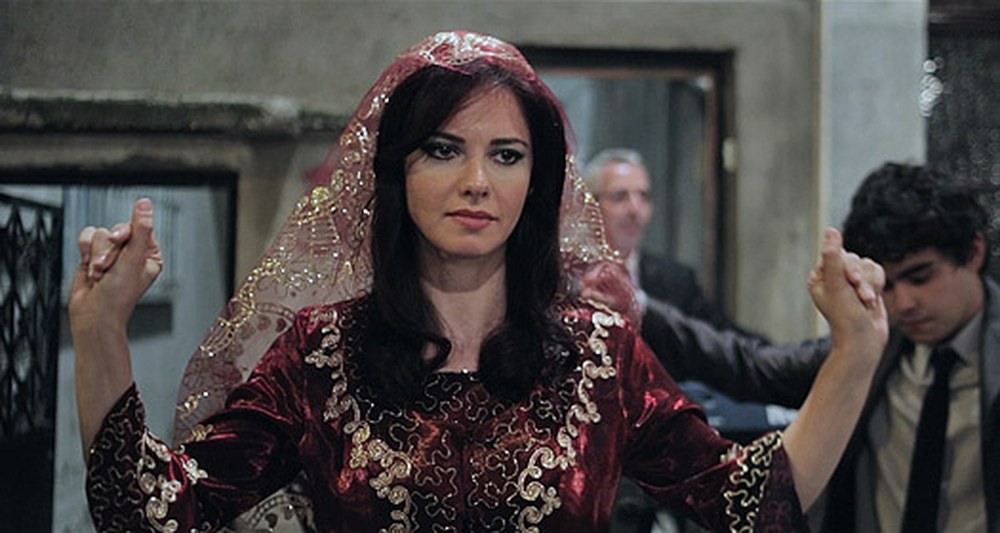
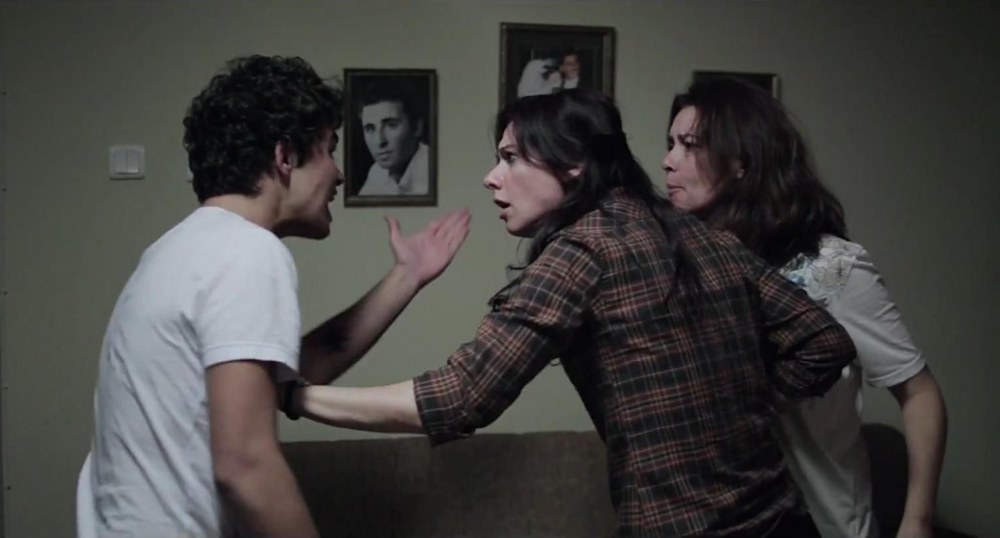
Deniz Akçay's first feature, Köksüz (Rootless), is an 81-minute Turkish drama completed in 2013. It follows four people who cannot become a family again after a loss and drift apart. The director describes it as the story of people who cannot find a role of their own and clumsily carry the ones others assign them. It opened on 14 March 2014 through M3 Film.

Nurcan is left alone with three children after her husband dies. Her elder daughter Feride has to take the father's place at home, and Nurcan, in need of support, places the whole burden on her, almost as if she were a husband. İlker, seventeen and devoted to his late father, reacts to his sister taking charge by quickly pulling away. The youngest, Özge, a teenager who can reach neither mother nor sister, is forgotten and keeps trying to be noticed. When Feride, worn down by the load, takes Gülağa's marriage proposal as a way out, the balance of the household changes.

Lale Başar plays Nurcan, Ahu Türkpençe is Feride, Sekvan Serinkaya is Gülağa, Savaş Alp Başar is İlker, Melis Ebeler is Özge and Mihriban Er is Gülten. Ahmet Bayer and Deniz Tortum shot it, Ruşen Dağhan edited, Haluk Ünlü was art director and Mukadder Özal designed the costumes.

DirectorDeniz Akçay Katıksız
Rootless (Köksüz) Rootless (Köksüz) Rootless (Köksüz)

Reactions

You can pick up to 3 reactions.

Cast

Lale Başar Lale Başar Actor · 62 years old Ahu Türkpençe Ahu Türkpençe Actor · 49 years old Savaş Alp Başar Sekvan Serinkaya Mihriban Er Melis Ebeler Hatice Lütfiye Dinçer Mert Bostancı Hakan Onat İbrahim Erkan Murat Emir Eren Ufuk Hakan Eren

Through different eyes

Cinephile Looks at script, editing and directing choices; keeps a distance from formula films.

Köksüz picks a bold focus for a debut: grief is handled less through plot than through roles shifting inside the home. The director's own description, people clumsily carrying roles that others assign them, also explains the film's structure; the bond between mother and elder daughter is pushed into a strange position somewhere between parent and spouse, and in my view that is the film's strongest idea. The short running time keeps it tight, but the same brevity makes it hard to give four characters equal depth; İlker's withdrawal and Özge's struggle to be noticed risk staying sketches beside the central relationship.

History & Society Lens Asks about the period, the social background and what the work reflects.

The film offers a sharp look at how the empty place in a patriarchal household is filled after the father dies. The mother loading the whole burden onto her elder daughter and treating her almost as a spouse shows family gender roles being redistributed regardless of who the people are. The son's reaction to the new order reflects the same hierarchy. Feride seeing a marriage proposal as a way out is a reminder that for women marriage is often less a choice than an escape hatch. A quiet but socially dense family portrait.

Family Viewer Asks whether the whole household can watch it; cares about humour and heart.

A film about grief, a family falling apart and a heavy burden. Not a subject for young children. For parents of teenagers, though, it can be thought-provoking. The youngest being forgotten and trying to get noticed is something that easily goes unseen in busy families. One to watch and talk over with adults and older teens.

These are not reader reviews: they are short editorial takes written from different viewer perspectives with AI assistance. Reader reviews are below.

Reviews (0)

Log in Log in to write a review.

Comments