Kiralık Katil

Le Samouraï

Movie · 1967 · 15 people

Jean-Pierre Melville wrote and directed Le Samouraï (released in Turkey as Kiralık Katil), a Franco-Italian neo-noir crime film from 1967. It stands out for its calm, stylized telling. It sold about 1.9 million tickets in France and earned positive reviews, with praise for Melville's script and atmosphere and for Alain Delon's performance.

Delon plays Jef Costello, a solitary, tight-lipped professional hitman in Paris. He plans the killing of a nightclub owner with his usual care, but witnesses see his face at the scene, among them the club's pianist Valérie. Costello is then caught between a police superintendent (François Périer) who closes in on him and the threat of the people who hired him. Nathalie Delon (Jane Lagrange) and Cathy Rosier (Valérie) complete the main cast. The title reflects the hero's samurai-like solitude, devotion to his work and loyalty to his word.

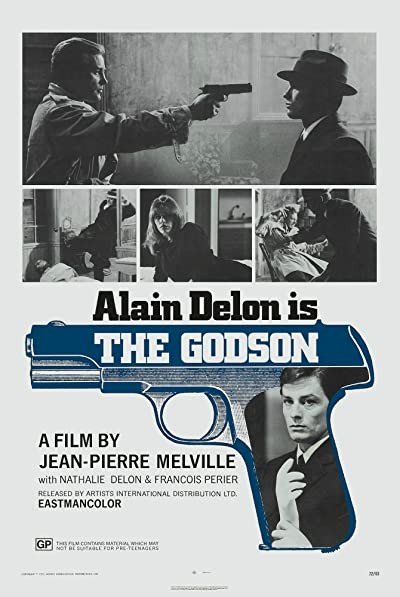
Melville adapted the script with Georges Pellegrin from Joan McLeod's novel The Ronin. Henri Decaë shot it and François de Roubaix wrote the music. A dubbed version reached the United States in 1972 as The Godson. John Woo's The Killer and Jim Jarmusch's Ghost Dog nod to it.

DirectorJean-Pierre Melville
Production companyFida Cinematografica

Reactions

You can pick up to 3 reactions.

Cast

Only cast members with a profile on this site are listed.
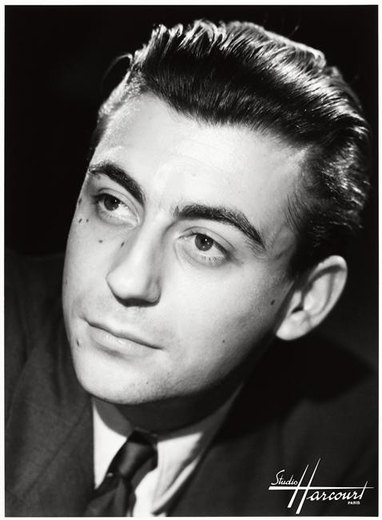
François Périer François Périer Film actor · died at 82 Michel Boisrond Michel Boisrond Film director · died at 81 Alain Delon Nathalie Delon Cathy Rosier Catherine Jourdan André Thorent Carlo Nell Gaston Meunier Georges Billy Jacques Deschamps Jacques Léonard Jean Gold Maurice Magalon Robert Favart
Through different eyes

Cinephile Looks at script, editing and directing choices; keeps a distance from formula films.

Melville takes every tool of the genre, the hitman, the police, the witnesses, and pares them down to an almost abstract form. The film's calm, stylised storytelling deliberately refuses the speed expected of a crime film; tension comes not from action but from ritual and silence. Henri Decaë's cinematography and François de Roubaix's score build the texture of this cold world. Alain Delon's taciturn Jef Costello is a fine example of how acting can work by withholding. It is no accident that its influence reaches John Woo's The Killer and Jim Jarmusch's Ghost Dog: Le Samouraï is the original mould for a pattern that would be copied many times.

Yeşilçam Nostalgic A viewer raised on the classics, looking for warm storytelling and strong acting.

Measured against the classics, this film shows the subtle art of saying much with few words. To an eye used to Yeşilçam's talkative, high-emotion melodramas, that silence may at first feel cold; this is not a warm-hearted story but a portrait of solitude. The fact that the hero is a hired killer may also keep at arm's length a viewer who looks for a moral centre. Even so, his devotion to his work and loyalty to his word make him kin to the honourable loner the old films loved. François de Roubaix's score and the film's atmosphere are the kind that win over film lovers of every generation.

Action & Thriller Fan Puts pace, tension and set pieces first; little patience for slow drama.

If 'hitman movie' makes you expect gunfire and chases, be warned: Le Samouraï is slow on purpose. The scenes are calm, the dialogue sparse, the pace unhurried. Underneath that calm, though, is the tension of a man caught between the police and the people who hired him. It demands patience, and anyone used to today's fast thrillers may struggle. For those curious about the genre's roots, it is required viewing.

These are not reader reviews: they are short editorial takes written from different viewer perspectives with AI assistance. Reader reviews are below.

Reviews (0)

Log in Log in to write a review.

Comments