
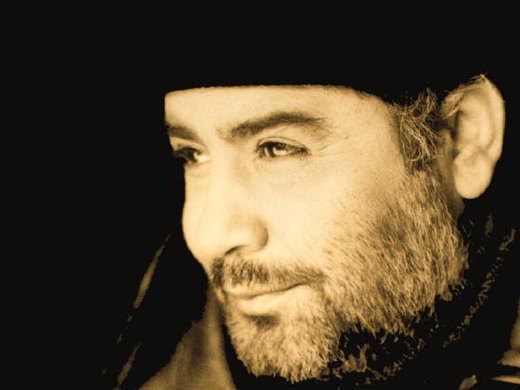
Ahmet Kaya
Singer · died at 43
Profile
| Age | died at 43 |
|---|---|
| Birth date | October 28, 1957 |
| Birthplace | Malatya |
| Died | November 16, 2000 |
| Profession | Singer, Composer, Poet, Musician |
| Zodiac sign | Scorpio |
| Uyruk | Türk |
| Ölüm Nedeni | Kalp krizi |
| Ölüm Yeri | Paris (15. bölge) |
| Channel | http://www.ahmetkaya.com/ |
Ahmet Kaya — Biography
Ahmet Kaya (28 October 1957, Malatya - 16 November 2000, Paris) was a Turkish singer, composer, lyricist and musician. He became one of the best-known representatives in Turkey of the current known as özgün müzik and protest music, and his albums are among the country's best-selling records.
His family moved from Adıyaman to Malatya in 1956; he was born there as the fifth child of a Kurdish father from Adıyaman and a Turkish mother from Erzurum. He grew up in a household that struggled financially and attended primary school in Malatya. In a documentary about his life he said that he was introduced to music at the age of six, through a bağlama given to him by his father.
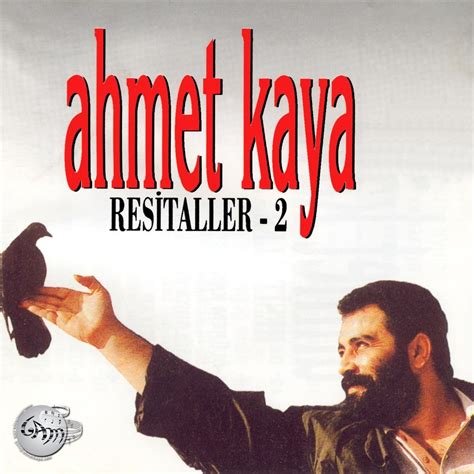
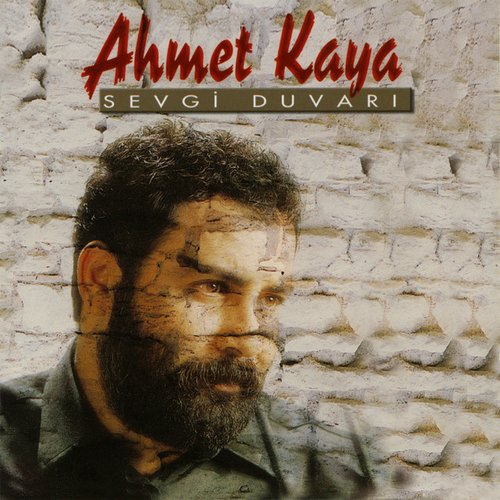
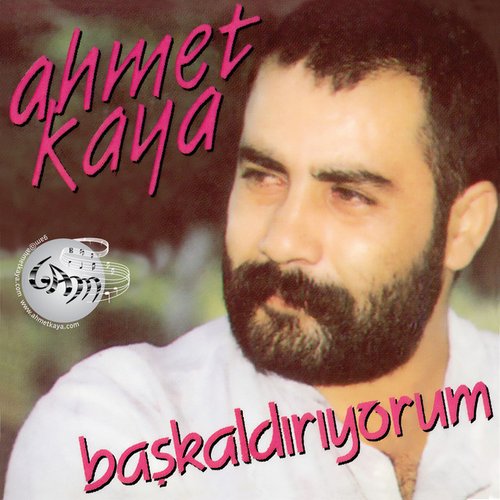
He began his musical career in the mid-1980s. His first album, Ağlama Bebeğim, was released in 1985, followed the same year by Acılara Tutunmak and then by Şafak Türküsü (1986), An Gelir (1986), Yorgun Demokrat (1987), Başkaldırıyorum (1988) and İyimser Bir Gül (1989). During the 1990s he reached a very wide audience with the albums Sevgi Duvarı (1990), Başım Belada (1991), Dokunma Yanarsın (1992), Tedirgin (1993), Şarkılarım Dağlara (1994), Beni Bul (1995), Yıldızlar ve Yakamoz (1996) and Dosta Düşmana Karşı (1998); his live recordings Resitaller 1 and Resitaller 2 appeared in the same period.
He was also involved with cinema and television. He acted in the films Nisan Bitti (1986) and Bay E (1995) and in the series Aynalar (1996), and he composed the music for the films Tatar Ramazan (1990) and Tatar Ramazan: Sürgünde (1992).
In February 1999, while receiving the "Musician of the Year" award at a ceremony attended by Turkey's best-known singers, he announced that he wanted to sing a song in Kurdish, and the statement drew wide attention. According to press reports the ceremony ended in disorder; following his statement the artist became the subject of intense public debate and of legal proceedings opened against him. After these events he left Turkey, settled in Paris and spent the last years of his life there. He died of a heart attack in the 15th arrondissement of Paris on 16 November 2000, at the age of 43.
His political stance was a matter of public debate throughout his career; sources report that he described himself as a socialist democrat and a defender of human rights, and that in his later years he turned towards texts advocating a rapprochement between the Turkish and Kurdish peoples. Albums such as Hoşçakalın Gözüm... (2001), Biraz da Sen Ağla (2003) and Ülkemde Son Turnem (2010) were released after his death, and his songs have continued to be loved by listeners of different generations. He has been awarded the Presidential Grand Award for Culture and Arts.
Photos
Reactions
Filmography / Projects
- 1990 Tatar Ramazan (müzik)
- 1992 Tatar Ramazan in Exile (Tatar Ramazan: Sürgünde) (translated) (müzik)
- 1995 Mr. E (Bay E) (translated) (oyuncu)
- 1996 Mirrors (Aynalar) (translated) (oyuncu)
Comments (0)