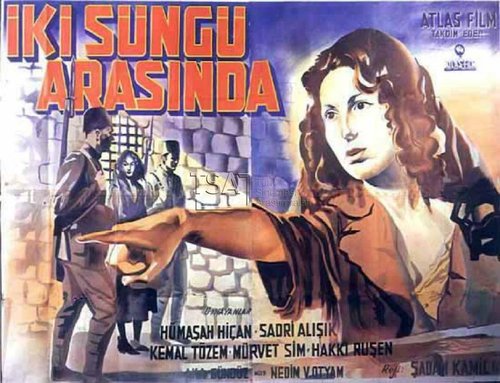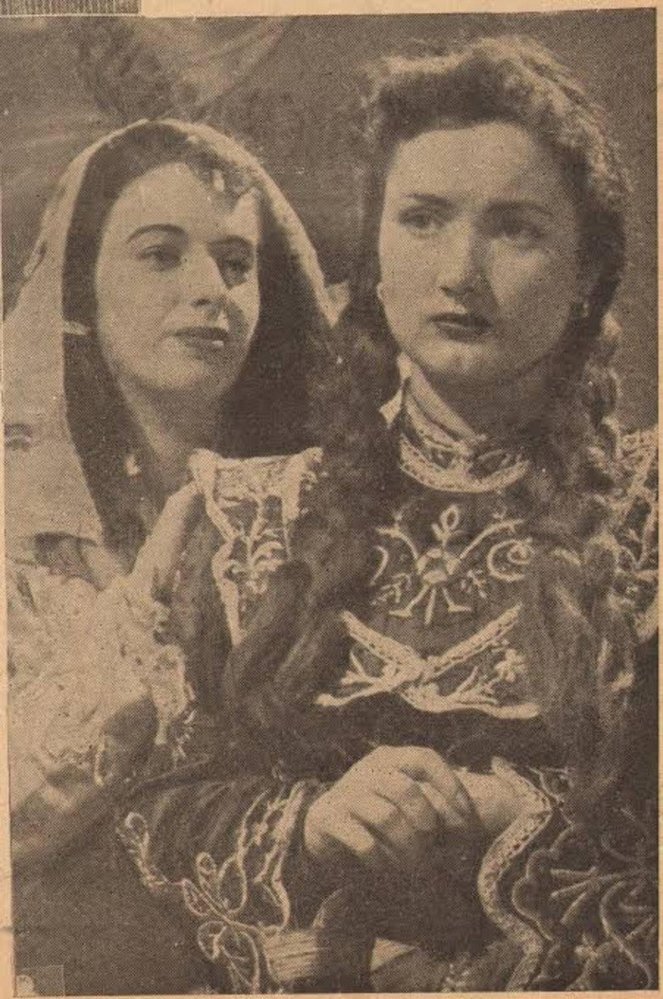
Toros Çocuğu

Child of Taurus (Toros Çocuğu) (translated)

Movie · 1946 · 8 people

Turkish drama Toros Çocuğu (The Taurus Child) was shot in black and white in 1946. It is adapted from Şevki Yazman's novel of the same name, and Yazman also wrote the screenplay. Şadan Kâmil directed, Halil Kamil produced and Ha-Ka Film made the picture. The music was composed by Artaki Candan.

The story is said to follow a young man who comes back to Turkey after studying in Europe and tries to be of use to his homeland. Besides Cahit Irgat and Orhan Elmas, the cast includes Mustafa Bilgetekin, Nevin Aypar, Müfit Kiper, Ahmet Güldürür, Vedat Karaokçu and Yaşar Özsoy. Bilgetekin plays Ömer, Aypar plays Esma, Elmas plays Memiş, Kiper plays Barut Ali, Güldürür plays Hacı Mehmet and Özsoy plays Şerif.

The film was made in a year when directors from the stage were entering Turkish cinema in growing numbers. Their films often carried a strong theatrical influence, while imported Egyptian Arabic-language films shaped tastes as well. Being adapted from a novel places Toros Çocuğu among the literary-source productions of the period.

DirectorŞadan Kâmil
Production companyHa-Ka Film

Reactions

You can pick up to 3 reactions.

Cast
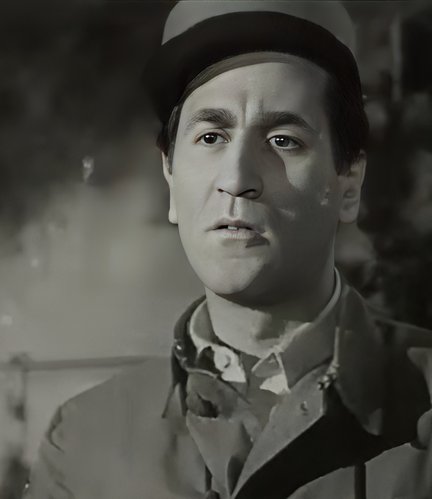
Cahit Irgat Cahit Irgat Actor · died at 56 Orhan Elmas Orhan Elmas Film director · died at 75 Nevin Aypar Mustafa Bilgetekin Müfit Kiper Yaşar Özsoy Vedat Karaokçu Ahmet Güldürür
Through different eyes

Yeşilçam Nostalgic A viewer raised on the classics, looking for warm storytelling and strong acting.

The young man who studies in Europe and comes home to be of use to his country is an idealistic hero type we meet often in the stories of those years. To today's eye he may look naive, but in my view his goodwill and sense of duty still have value. That the novelist wrote the screenplay himself suggests the heart of the story was preserved. The score being by Artaki Candan is another draw for anyone whose ear knows old Turkish films. For those with the patience for black-and-white frames, it is a small but sincere keepsake from our cinema's early years.

History & Society Lens Asks about the period, the social background and what the work reflects.

The figure of the young man who studies in Europe and returns to serve his country is a familiar reflection of the early Republican generations' ideal of development and enlightenment. In that sense Toros Çocuğu has value as a document of how the educated individual's duty to the homeland was imagined. 1946 was a time when directors from the theatre were multiplying in Turkish cinema and Egyptian Arabic-language films were shaping ideas of what cinema was; literary adaptations in that climate can also be read as an effort to tell homegrown stories. The tension between the provinces and Europe, tradition and renewal, is still debated today.

Cinephile Looks at script, editing and directing choices; keeps a distance from formula films.

Having the novelist Şevki Yazman write the screenplay himself cuts both ways for an adaptation. It guarantees fidelity to the text, but a novelist tends to cling to every stop on the page, which can get in the way of the selectiveness cinema demands. Add the stage-bound approach of the period's theatre-trained directors, and it would be no surprise for the film to come across today as one driven by dialogue, with the camera kept in the role of witness. That does not make it worthless; it simply means setting expectations correctly. For anyone curious about early Turkish literary adaptations, Toros Çocuğu is an example that shows the limits and the ambitions of those years together.

These are not reader reviews: they are short editorial takes written from different viewer perspectives with AI assistance. Reader reviews are below.

Reviews (0)

Log in Log in to write a review.

Comments