The Young Girls of Rochefort

The Young Girls of Rochefort (Les Demoiselles de Rochefort)

Movie · 1967 · 15 people

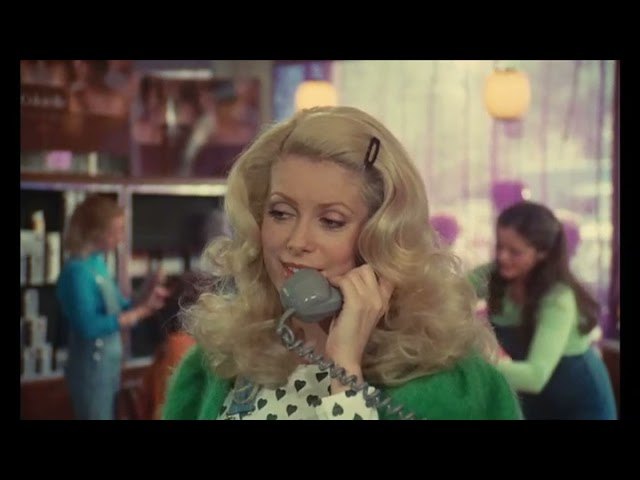
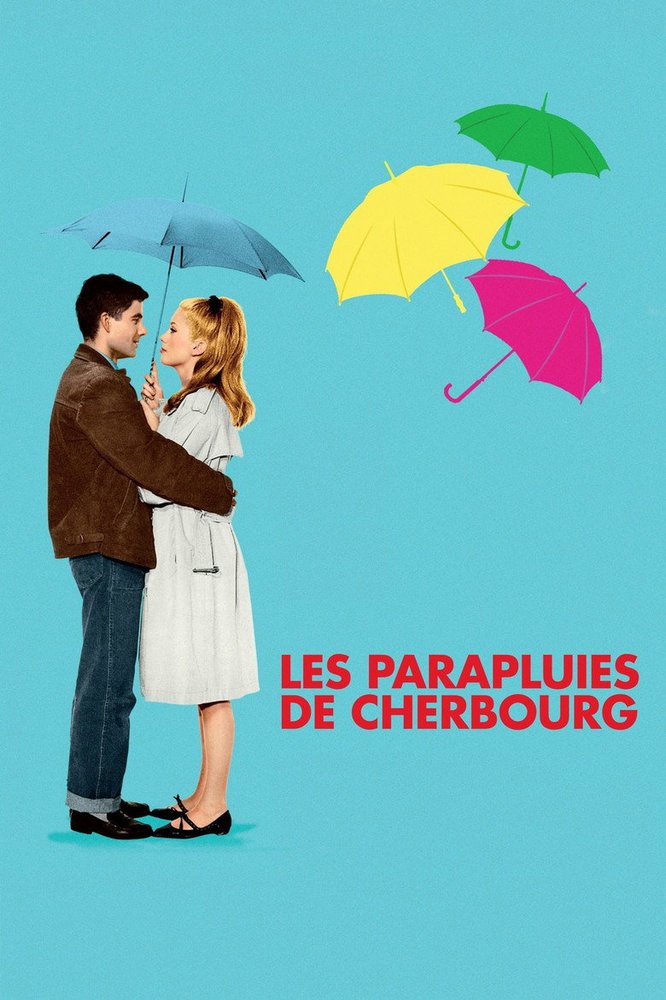
Jacques Demy paid tribute to golden-age Hollywood musicals with a musical comedy of his own, written and directed in France in 1967: The Young Girls of Rochefort (original title Les Demoiselles de Rochefort). After The Umbrellas of Cherbourg, it was his second film with composer Michel Legrand and Catherine Deneuve.

The story centres on twin sisters living with their mother in the town of Rochefort; one teaches piano, the other dance. Real-life sisters Catherine Deneuve and Françoise Dorléac play the twins Delphine and Solange Garnier, with Danielle Darrieux as their mother Yvonne. Two strangers arrive and upend the sisters' lives: Maxence, a young artist in town for his military service, and Simon, a Parisian businessman hoping to meet his lover. Also in the cast: Gene Kelly (as Andy Miller), George Chakiris, Michel Piccoli and Jacques Perrin.

Legrand wrote the music to Demy's lyrics; Norman Maen choreographed the dances. Among the best-known numbers are "Chanson des Jumelles" and Maxence's song, the latter later reworked as "You Must Believe in Spring". The film drew 1.32 million admissions in France, was nominated at the 41st Academy Awards for musical scoring and won the 1967 Max Ophüls Prize. A French stage musical adapted by Alain Boublil followed in 2003.

DirectorJacques Demy

Reactions

You can pick up to 3 reactions.

Cast

Only cast members with a profile on this site are listed.

Catherine Deneuve Catherine Deneuve Film actor · 83 years old Henri Crémieux Henri Crémieux Actor · died at 83 Françoise Dorléac George Chakiris Jacques Perrin Michel Piccoli Gene Kelly Danielle Darrieux Grover Dale Anne Germain Christiane Legrand Claude Parent Claudine Meunier Don Burke Geneviève Thénier
Through different eyes

Cinephile Looks at script, editing and directing choices; keeps a distance from formula films.

Demy doesn't imitate golden-age Hollywood musicals here; he rebuilds them in the streets of a French provincial town. The vivid colour palette, the sung dance numbers and Legrand's score bind the film into a single sense of rhythm, and casting Gene Kelly reads as a deliberate signature on the tribute. The script, though, runs the love searches of the twins, Maxence and Simon on parallel tracks, and as the editing cuts back and forth between them the story feels more like it is idling than heading anywhere. In my view the second half starts repeating the same idea. Still, few musicals trust their form this much or treat their genre with this much affection.

History & Society Lens Asks about the period, the social background and what the work reflects.

The film holds an optimistic mirror up to 1960s provincial France. One twin teaches piano, the other dance: they are drawn as young women who earn their own living and don't see their future only in marriage. The outsiders who arrive also capture the mobility of the period, a young artist doing his military service and a businessman from Paris. The provinces here are a place of encounters, not confinement. That optimism is of course a deliberate stylisation; anyone looking for the social tensions of the era won't find much of them beneath the colourful surface, but as a record of a generation's hopes for itself the film is worth having.

Family Viewer Asks whether the whole household can watch it; cares about humour and heart.

A colourful, cheerful musical full of songs, and nothing in the summary points to violence or heavy themes. The story does revolve around grown-ups looking for love, though, and small children may struggle to follow that part. If you watch it with subtitles, reading along with the songs can be tiring for primary-school kids. For musical-loving children of middle-school age and the adults with them, it makes a pleasant family evening.

These are not reader reviews: they are short editorial takes written from different viewer perspectives with AI assistance. Reader reviews are below.

Reviews (0)

Log in Log in to write a review.

Comments