Si Versailles m'était conté...

Royal Affairs in Versailles (Si Versailles m'était conté...)

Movie · 1954 · 15 people

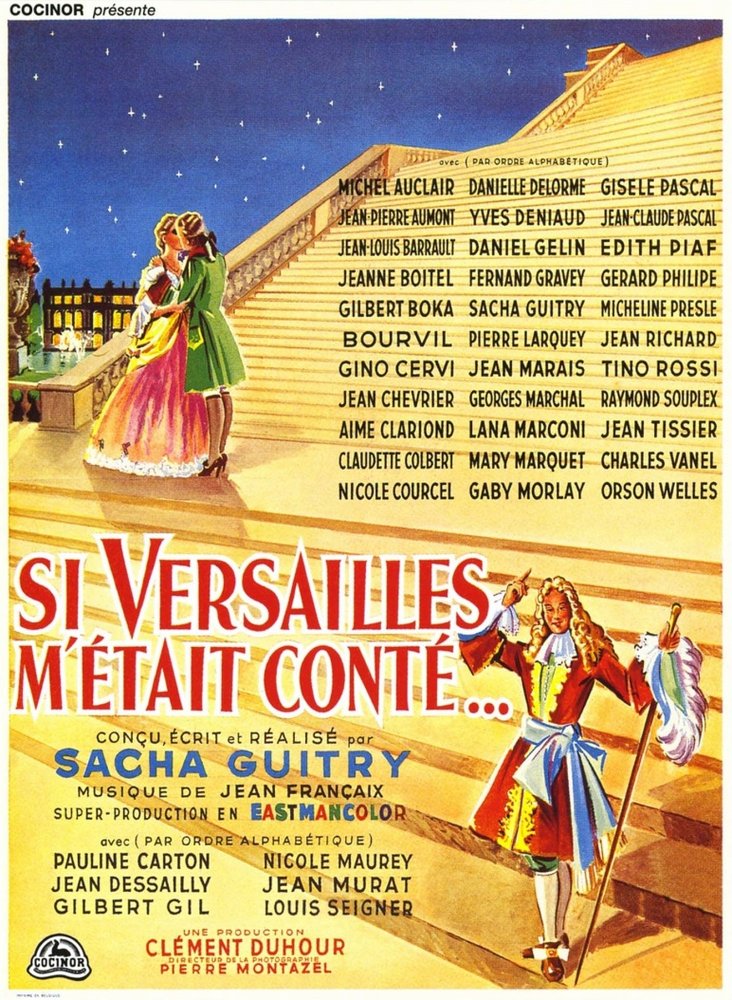
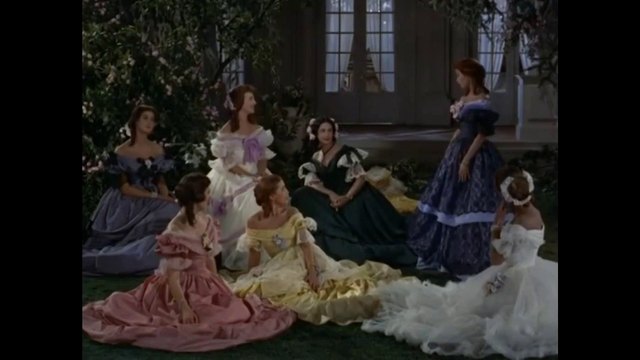
Si Versailles m'était conté... is a 1954 French-Italian historical film written and directed by Sacha Guitry. English-speaking audiences know it as Royal Affairs in Versailles, and in Germany it was shown as Versailles – Könige und Frauen. Running about 165 minutes, it is counted among France's first major colour productions and is regarded as one of Guitry's most ambitious late works.

The film follows the Palace of Versailles from its beginnings to the present, telling it in episodes through portraits of the people who lived within its walls. Its cast is its main attraction: many of the best-known French actors of the day appear in short parts, among them Jean Marais, Édith Piaf, Claudette Colbert, Jean-Pierre Aumont, Jean-Louis Barrault, Bourvil, Gino Cervi, Danièle Delorme, Daniel Gélin, Fernand Gravey, Gaby Morlay, Gisèle Pascal and Jean-Claude Pascal, with Guitry himself listed too. One important part went to an unknown: Louis XVI is played by Gilbert Bokanowski (credited as Gilbert Boka), in reality the film's production manager, cast for his strong resemblance to the king.

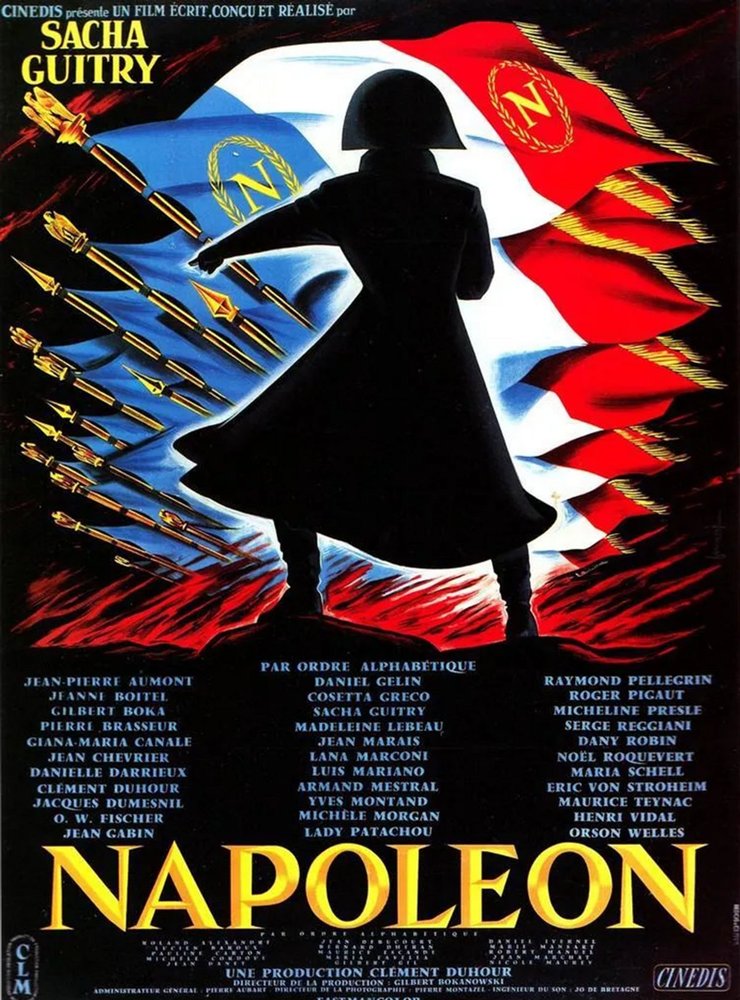
It is the first of three Guitry productions on similar themes, followed by Napoléon in 1955 and Si Paris nous était conté in 1956.

DirectorSacha Guitry

Reactions

You can pick up to 3 reactions.

Cast

Only cast members with a profile on this site are listed.
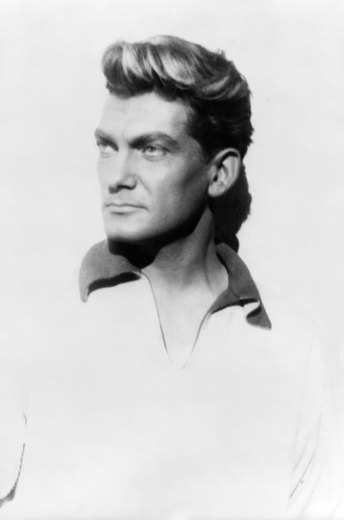
Jean Marais Jean Marais Actor · died at 84 Jacques Varennes Jacques Varennes Actor · died at 63 Michel Auclair Jean-Pierre Aumont Jean-Louis Barrault Bourvil Gino Cervi Claudette Colbert Danièle Delorme Daniel Gélin Fernand Gravey Sacha Guitry Gaby Morlay Gisèle Pascal Jean-Claude Pascal
Through different eyes

Cinephile Looks at script, editing and directing choices; keeps a distance from formula films.

Guitry's ambitious late work chooses to tell the story of a palace, from its beginnings to the present, as a string of portraits, and that choice is both its strength and its weakness. As one of France's first major colour productions, its visual splendour has historical value. But the structure, with the era's stars passing through in short parts one after another, at times turns from a narrative into a parade, leaving no room for characters to deepen. Casting the production manager as Louis XVI for his resemblance to the king, rather than a trained actor, sums up Guitry's approach: history staged as a tableau more than as drama. The episodic construction makes the length keenly felt. Still, for anyone curious about film history it is an essential document.

History & Society Lens Asks about the period, the social background and what the work reflects.

The film chooses to tell French history from inside the walls of a palace, and that sets its point of view from the outset. History flows through portraits of the people who lived there, while the wider society outside naturally stays in the background. In that sense the film feels more like a celebration of heritage than an inquiry into the past. Gathering post-war France's best-known actors into one grand tableau also hints at a need, in those years, to tell a shared story about the nation. Viewers after the detail of events may find it shallow; but as a guide to how an era wanted to see its own past, it is rich material.

Family Viewer Asks whether the whole household can watch it; cares about humour and heart.

A film that fills the eye with its colour images and its palace, and one you can watch with teenagers who like history. But it is very long and moves in episodes, so it will test the patience of young children. With so many famous actors passing through in short parts, keeping track of who is who is not easy either. With middle- and high-school children, watching it over two sittings may work better.

These are not reader reviews: they are short editorial takes written from different viewer perspectives with AI assistance. Reader reviews are below.

Reviews (0)

Log in Log in to write a review.

Comments