Gelecek Uzun Sürer

Future Lasts Forever (Gelecek Uzun Sürer)

Movie · 2011 · 3 people

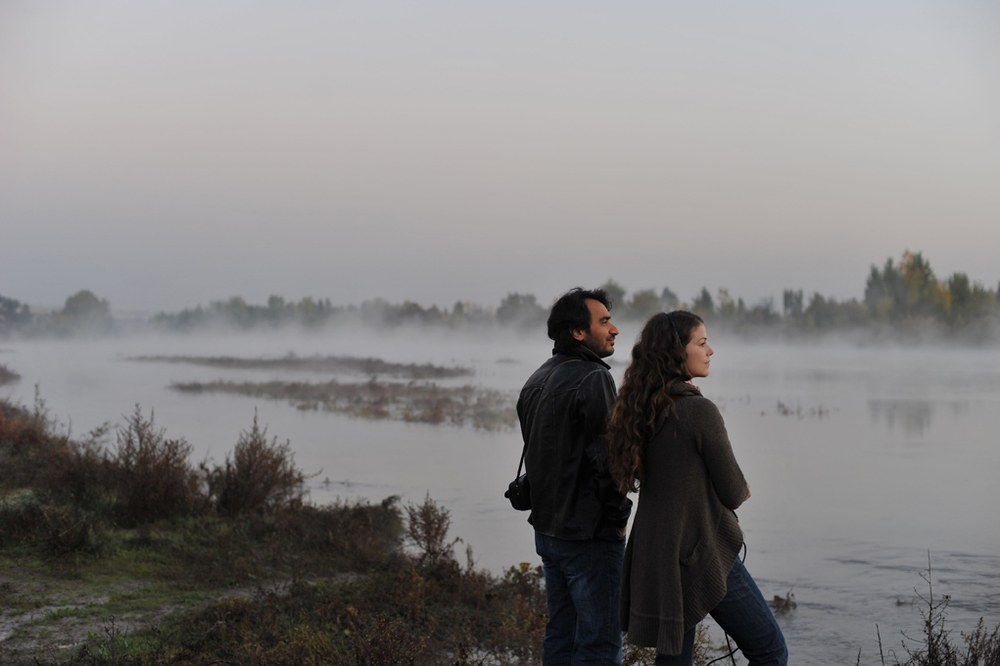
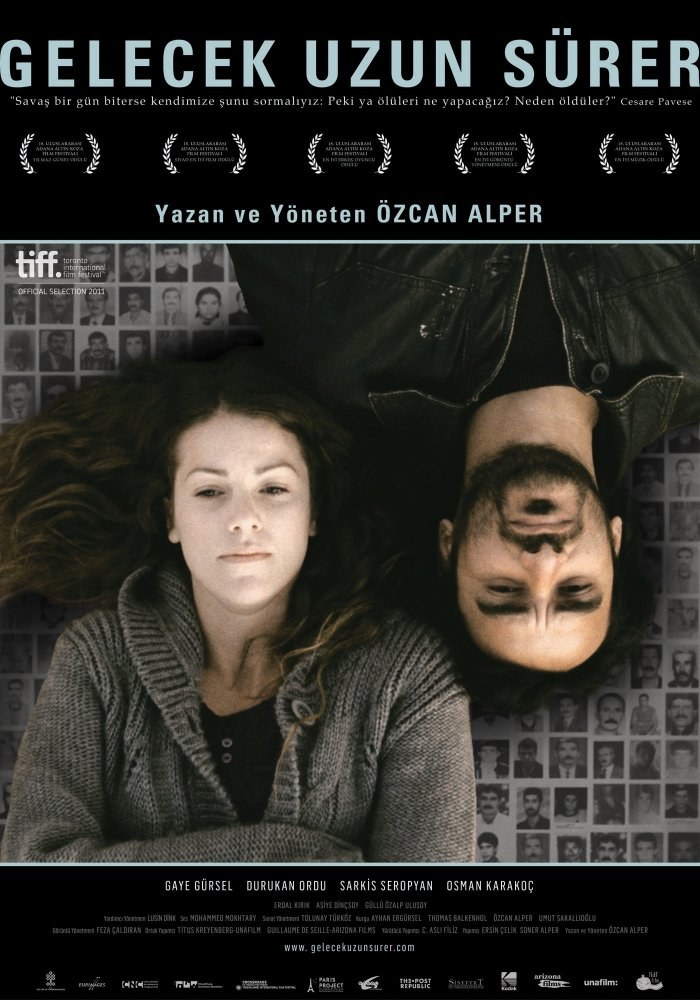
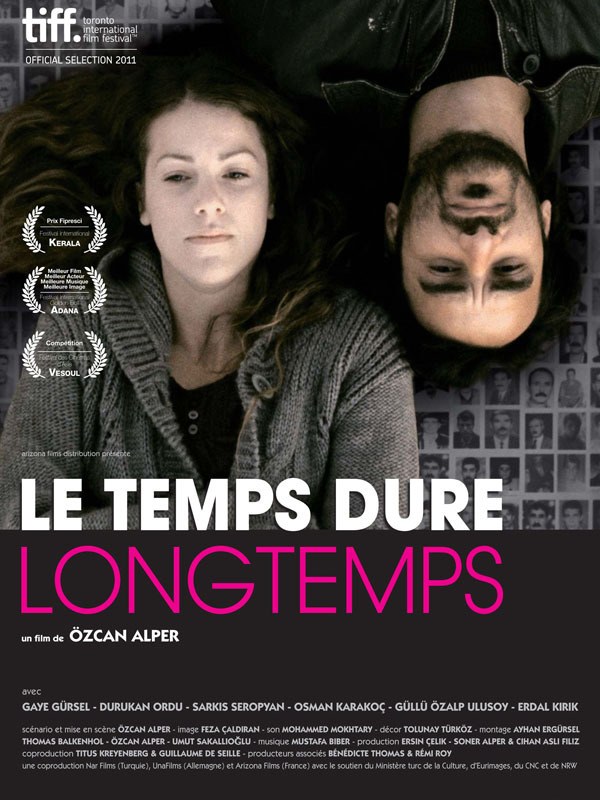
With EURIMAGES support, Özcan Alper wrote and directed Future Lasts Forever (Gelecek Uzun Sürer), a 2011 drama and Turkish-French-German co-production. Running 108 minutes, it is a multilingual road movie in which a journey turns into a search, spoken in Turkish, Kurdish and Armenian. It competed at the 36th Toronto International Film Festival, opened in Turkey on 11 November 2011 and took five prizes at the 18th International Adana Golden Boll Film Festival.

The story follows Sumru, played by Gaye Gürsel, a university music researcher who leaves Istanbul for the south-east to work on a thesis about traditional laments. The trip she expects to be short becomes the longest of her life. In Diyarbakır, where she stays for three months, she is joined along the way by Uncle Antranik, the lone caretaker of an old church, by Ahmet, who sells pirated DVDs on the streets, and by others who have witnessed the region's unnamed war. While tracing the stories behind the laments she faces a grief she has long postponed, and the trip takes her to an emptied mountain village in Hakkari. Osman Karakoç and Durukan Ordu also star.

Alper had made his name with his first feature Sonbahar, and this second film arrived under heavy expectations. Amateur performers appear beside the professionals.

DirectorÖzcan Alper
Future Lasts Forever (Gelecek Uzun Sürer) Future Lasts Forever (Gelecek Uzun Sürer) Future Lasts Forever (Gelecek Uzun Sürer)

Reactions

You can pick up to 3 reactions.
Cast

Through different eyes

Cinephile Looks at script, editing and directing choices; keeps a distance from formula films.

Özcan Alper does not take the easy route to meet the expectations that followed Sonbahar; he turns the road-movie template into a search, almost an archival project. Making laments the spine of the structure is a bold choice: the narrative moves through testimony more than plot, which at times brings the film close to documentary. Mixing amateur performers with professionals lends the texture authenticity, though the differences in acting register show now and then. The real problem is that the rhythm surrenders to the weight of the lament, and the film struggles to turn the emotion it builds into dramatic tension. Competing at Toronto and leaving Adana with five prizes shows that the ambitious approach found its audience.

History & Society Lens Asks about the period, the social background and what the work reflects.

Rather than depicting the region's unnamed war directly, the film looks at memory through laments and witnesses. Turkish, Kurdish and Armenian spoken side by side make the south-east's layered past visible at the level of language. Uncle Antranik, the lone caretaker of an old church, and the emptied mountain village in Hakkari carry the traces of displacement and scattered communities. Ahmet, selling pirated DVDs on the street, opens a window onto how people in the city make a living today. Building the story around an academic from Istanbul also lets the film honestly question the distance between researching a grief and living it.

Family Viewer Asks whether the whole household can watch it; cares about humour and heart.

This film is not for children. It is a heavy drama built on the marks of war, mourning and loss. The themes are too weighty for young ones, and the pace is slow. It suits high-school-age teenagers and adults, especially families who like to talk things over afterwards. If you want a lively evening film, choose something else.

These are not reader reviews: they are short editorial takes written from different viewer perspectives with AI assistance. Reader reviews are below.

Reviews (0)

Log in Log in to write a review.

Comments