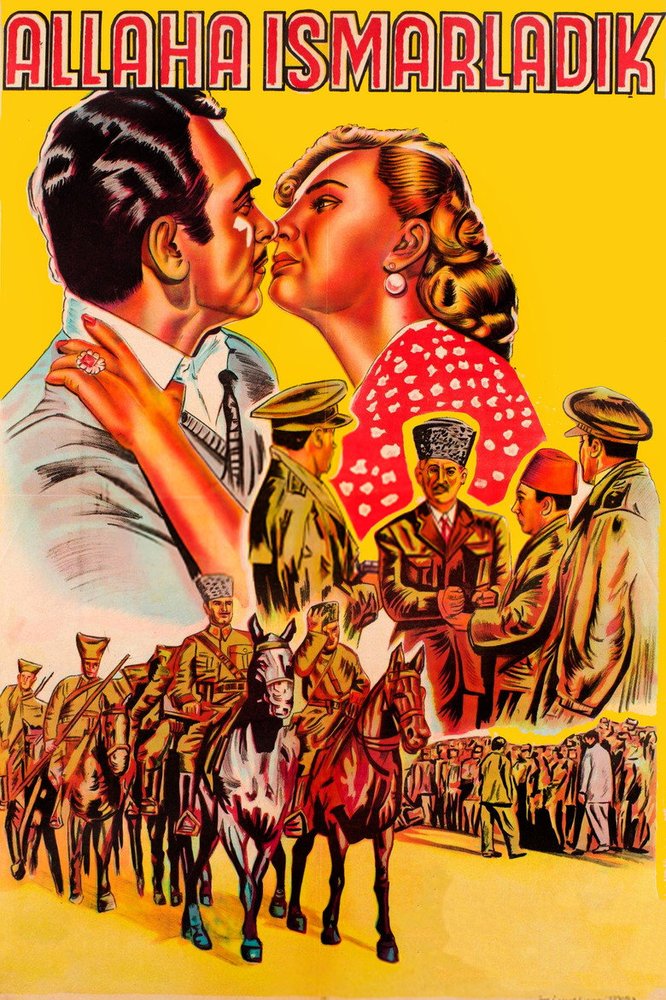
Yavuz Sultan Selim Ağlıyor

Yavuz Sultan Selim Is Crying (Yavuz Sultan Selim Ağlıyor) (translated)

Movie · 1952 · 3 people

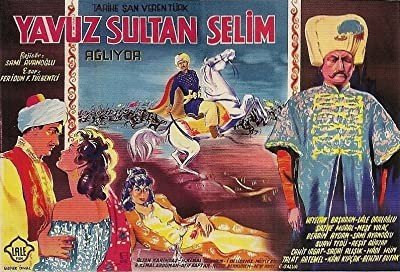
Sami Ayanoğlu directed the black-and-white Turkish historical film Yavuz Sultan Selim Ağlıyor in 1952. Adapted from Feridun Fazıl Tülbentçi's novel of the same name, it combines history, war and drama and runs 134 minutes. Its subject is the Ottoman Empire's ninth sultan, Selim I, from his accession to his death. Tülbentçi and Ayanoğlu co-wrote the screenplay.

The story opens in 1505, when Prince Selim is governor of Trabzon. The Janissaries favor him, while the grand vizier Hadım Ali Pasha schemes to put Prince Ahmed on the throne. Selim falls for Aspasia, the daughter of a Greek man named Leonidas, which brings a fictional romance into the tale. Selim withdraws to Crimea, then takes the throne from Bayezid, deals with his brothers Korkut and Ahmed, and widens the empire through the campaigns of Çaldıran, Mercidabık and Ridaniye. The sultan weeps after the deaths of Korkut, Sinan Pasha and Aspasia. Ayanoğlu plays the sultan himself; Sadri Alışık plays Osman, Cahit Irgat plays Şahin Bey, Lale Oraloğlu plays Maria Leonidis, Heyecan Başaran plays Aspasia, Talat Artemel plays Bayezid II, Hadi Hün plays Sinan Pasha, Müfit Kiper plays Leonidas and Hüseyin Kemal Gürmen plays Hersekli Ahmed Pasha.

Cemil Filmer produced through Lale Film, Sadettin Kaynak composed the music and Kriton İlyadis was cinematographer.

DirectorSami Ayanoğlu
Production companyLale Film
Yavuz Sultan Selim Is Crying (Yavuz Sultan Selim Ağlıyor) Yavuz Sultan Selim Is Crying (Yavuz Sultan Selim Ağlıyor)

Reactions

You can pick up to 3 reactions.

Cast

Through different eyes

Yeşilçam Nostalgic A viewer raised on the classics, looking for warm storytelling and strong acting.

A black-and-white historical film from 1952; being adapted from Feridun Fazıl Tülbentçi's novel is invitation enough for lovers of old cinema. Sami Ayanoğlu both directs and plays the sultan himself, and it is a pleasure to find Sadri Alışık in the cast too. Sadettin Kaynak's music promises a dignity befitting the historical films of the period. The tears in the title sum up the effort to show the man behind the wars and conquests: a sultan who weeps as he loses those close to him is portrayed through his heart, not only his sword.

History & Society Lens Asks about the period, the social background and what the work reflects.

The film follows Selim I from his time as governor of Trabzon to his accession and the campaigns of Chaldiran, Marj Dabiq and Ridaniya. The Janissaries' backing, Hadım Ali Pasha's scheming to put Prince Ahmed on the throne and the reckoning with his brothers reflect the harsh reality of Ottoman succession struggles. The romance with Aspasia, however, is a fictional addition, so it is worth keeping the historical events apart from the novel's imagination. Made in 1952, the film also shows how Turkish cinema of the 1950s looked at the Ottoman past, and its wish to portray a historical hero as both powerful and deeply feeling.

Action & Thriller Fan Puts pace, tension and set pieces first; little patience for slow drama.

Chaldiran, Marj Dabiq, Ridaniya: on paper, a story packed with big battles. But the 134-minute running time, the palace intrigue and the love story can drag the pace down. It is a 1952 film, so don't expect battle scenes by today's standards. It speaks to patient viewers who enjoy history and succession fights, not to anyone after fast action.

These are not reader reviews: they are short editorial takes written from different viewer perspectives with AI assistance. Reader reviews are below.

Reviews (0)

Log in Log in to write a review.

Comments