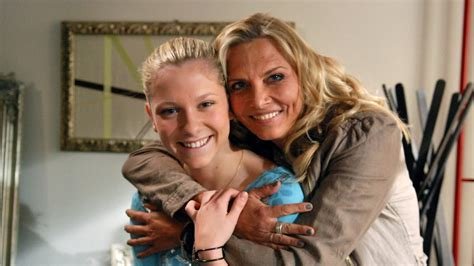
Marienhof

Marienhof

TV Series · 1992–2011 · 15 people

From 1 October 1992 until 15 June 2011, the long-running German daily soap opera Marienhof (a Seifenoper, as it is called in German) aired on Das Erste, the main channel of the ARD network. Bavaria Film produced it at its studios in Grünwald-Geiselgasteig, near Munich. By the time it left the air it had accumulated 4,053 episodes over 18 seasons, each running roughly 25 minutes.

The story is set in Marienhof, an invented neighbourhood of Cologne, and centres on the everyday lives of the people who live there. Over its long run the series relied on a large ensemble. Giovanni Arvaneh and Özgür Özata appeared in the ensemble, and other names associated with the series include Stefan Maaß, Joachim R. Iffland, Anke Sevenich, Viktoria Brams, Wilm Roil, Mona Seefried, Marc Jung and Marian Jung.

The format changed over time. The programme began as a weekly show and became a daily early-evening fixture on 2 January 1995. It earned a reputation for taking on heavy social subjects such as homelessness, homosexuality, private bankruptcy, rape, drug abuse, AIDS, child abuse, suicide, cancer, adultery and murder. Falling ratings led to its cancellation being announced in February 2011, and the last episode was broadcast on 15 June 2011, almost 19 years after the premiere.

Production companyBavaria Film

Reactions

You can pick up to 3 reactions.

Cast

Only cast members with a profile on this site are listed.
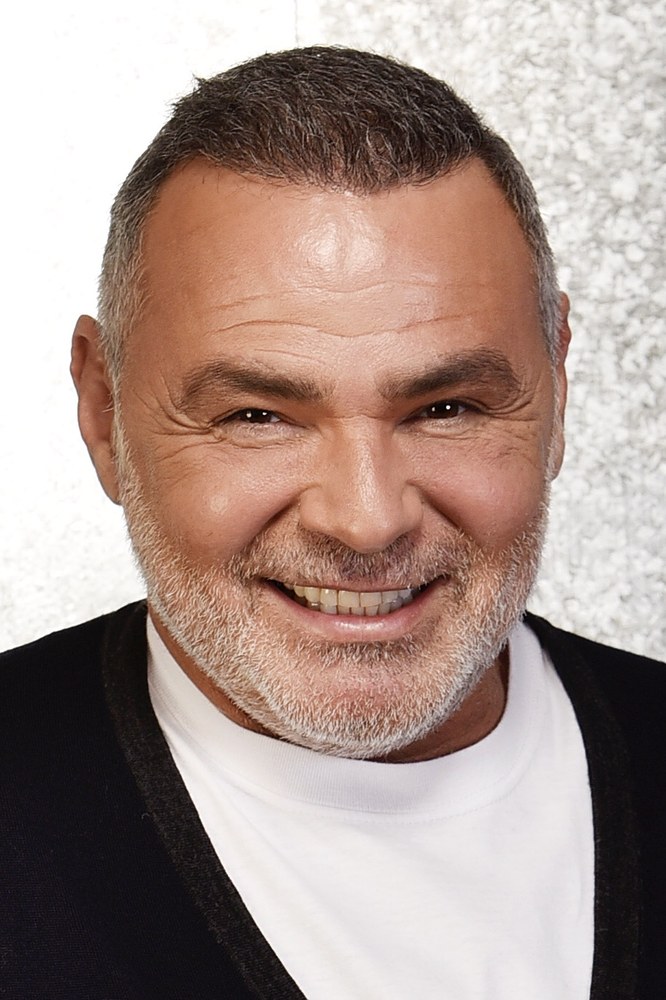
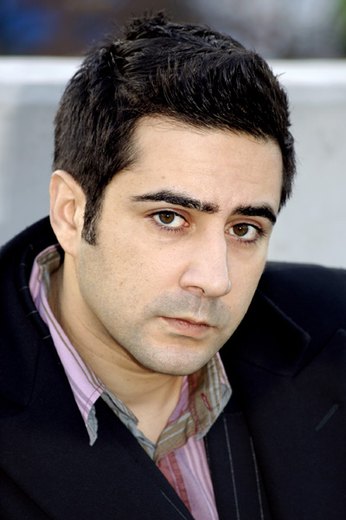
Giovanni Arvaneh Giovanni Arvaneh Actor · died at 61 Özgür Özata Özgür Özata Actor · 49 years old Stefan Maaß Joachim R. Iffland Anke Sevenich Viktoria Brams Wilm Roil Mona Seefried Marc Jung Marian Jung Marianne Lindner Alexandra Henkel Eckhard Preuß Ulrike Mai Claus-Dieter Reents
Through different eyes

History & Society Lens Asks about the period, the social background and what the work reflects.

What makes Marienhof interesting is that a pre-evening soap carried homelessness, homosexuality, AIDS, drug addiction and suicide into an everyday neighbourhood story. For 1990s Germany that meant bringing hard-to-discuss subjects into the living room every day. Setting it in a fictional Cologne neighbourhood matters too: the problems happen not in some distant world but next door. For today's viewer the series works as a time capsule of how everyday life and public debate in Germany shifted over nearly two decades.

Series Binger A series devotee tracking character arcs, cast chemistry and season pacing.

Over four thousand episodes across eighteen seasons: watching Marienhof start to finish is not a realistic goal, nor should it be. The way to connect with a show like this is to treat it like a neighbourhood; the cast keeps changing, characters come and go, and you drop into a particular era of it. The switch from weekly to daily broadcasting is the turning point for pace, since daily soaps move their stories in smaller steps. The format's built-in risk applies here too: with a cast this large, some storylines can be wrapped up in a hurry while others drag on too long.

Cinephile Looks at script, editing and directing choices; keeps a distance from formula films.

Judging Marienhof by cinema standards would be unfair; the daily soap is a mode of production with its own rules. In a studio-shot show that airs every day, continuity and speed come before visual finesse. That tends to mean functional staging and editing built on recurring patterns; it is hard to claim the series has aesthetic ambitions. Within the limits of the form there is still real value: telling heavy stories at an everyday rhythm demands serious discipline from a writing team. In my view Marienhof is an example of industrial endurance more than artistic achievement, and keeping a story machine running for that long is an achievement in itself.

These are not reader reviews: they are short editorial takes written from different viewer perspectives with AI assistance. Reader reviews are below.

Reviews (0)

Log in Log in to write a review.

Comments